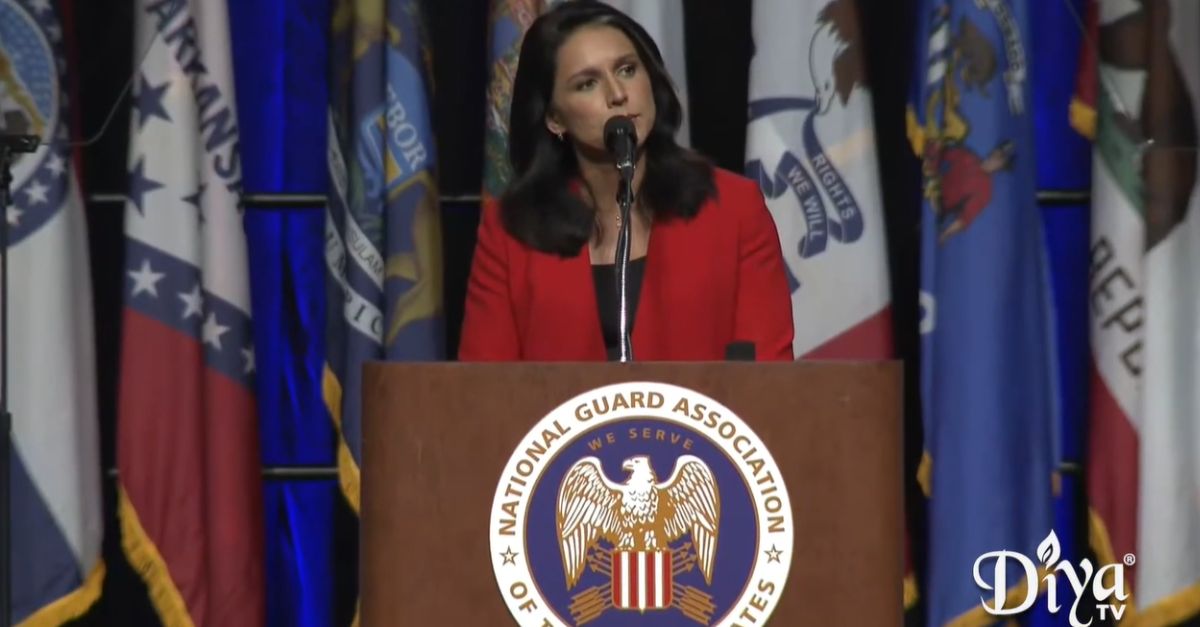
WASHINGTON (Diya TV) — The White House kept Director of National Intelligence Tulsi Gabbard out of months of planning meetings focused on Venezuela, according to reports from Bloomberg and The Wall Street Journal. The decision reflected internal doubts about whether she would support military pressure against Venezuelan President Nicolás Maduro. The move added to signs of growing tension around Gabbard’s role inside President Donald Trump’s national security team. It also raised questions about how intelligence leaders shape foreign policy during high-stakes operations.
Bloomberg reported that senior White House officials excluded Gabbard from planning sessions tied to efforts to remove Maduro. People familiar with the matter said some officials questioned her support for the plan. Gabbard had previously spoken against military action in Venezuela.
Her absence soon became noticeable inside the White House. According to the report, some staff members joked that “DNI” stood for “Do Not Invite.” Sources told Bloomberg that a White House official denied making the joke. Officials limited the meetings to a small group of senior advisers. The goal was to keep the operation tightly held and reduce leaks.
The Wall Street Journal reported that Trump does not have a close working relationship with Gabbard. A senior administration official told the newspaper that Trump wanted to keep the Venezuela effort known to as few people as possible.
Because of that approach, the official said, the White House did not view Gabbard as someone who needed direct briefings on the plan. Another administration official said her office still played a role. That role focused on intelligence analysis rather than policy direction. Her team provided assessments that helped inform the mission, the official said. The work supported decision-making from an analytical standpoint.
The Journal also reported that Secretary of State Marco Rubio supported keeping Gabbard out of the discussions. The paper cited two people familiar with the matter. That report added to perceptions of friction among top officials handling Venezuela policy. It also highlighted differing views on the use of force and the role of intelligence leaders in shaping strategy.
State Department spokesperson Tommy Pigott rejected claims of internal conflict. He said Gabbard, Rubio, and other members of Trump’s team have worked closely together to carry out the administration’s agenda. Pigott called suggestions of rifts false and misleading. He said the team remains aligned on policy goals, including pressure on the Maduro government.
The decision to exclude Gabbard points to her uneven standing within the White House, according to the Journal. The report said she has struggled to gain access to Trump’s closest advisers. Her influence over major policy decisions has varied over time. Trump has increasingly relied on CIA Director John Ratcliffe for key intelligence briefings, the report said. That shift has reduced Gabbard’s visibility on major foreign policy issues.
Vice President JD Vance rejected claims that the White House sidelined Gabbard. He said officials intentionally limited the Venezuela discussions to a small circle of cabinet-level leaders and senior figures. Vance said the structure reflected the sensitive nature of the operation. He denied that the decision reflected mistrust or punishment.
Gabbard initially stayed quiet about the Venezuela operation. She spoke publicly three days later in a post on X. She said Trump had promised to protect U.S. borders and act against drug gangs, traffickers, and narco-terror groups. She praised U.S. armed forces and intelligence teams for carrying out the president’s orders through Operation Absolute Resolve. Gabbard said the operation delivered on Trump’s commitment to national security. Her comments marked her first public acknowledgment of the effort.