WASHINGTON (Diya TV) — For more than two decades, U.S. intelligence officials have released the Global Trends report every four years, offering a long-term look at challenges facing the United States and the world. The report often warned of risks like climate change, pandemics, and shifting migration patterns.
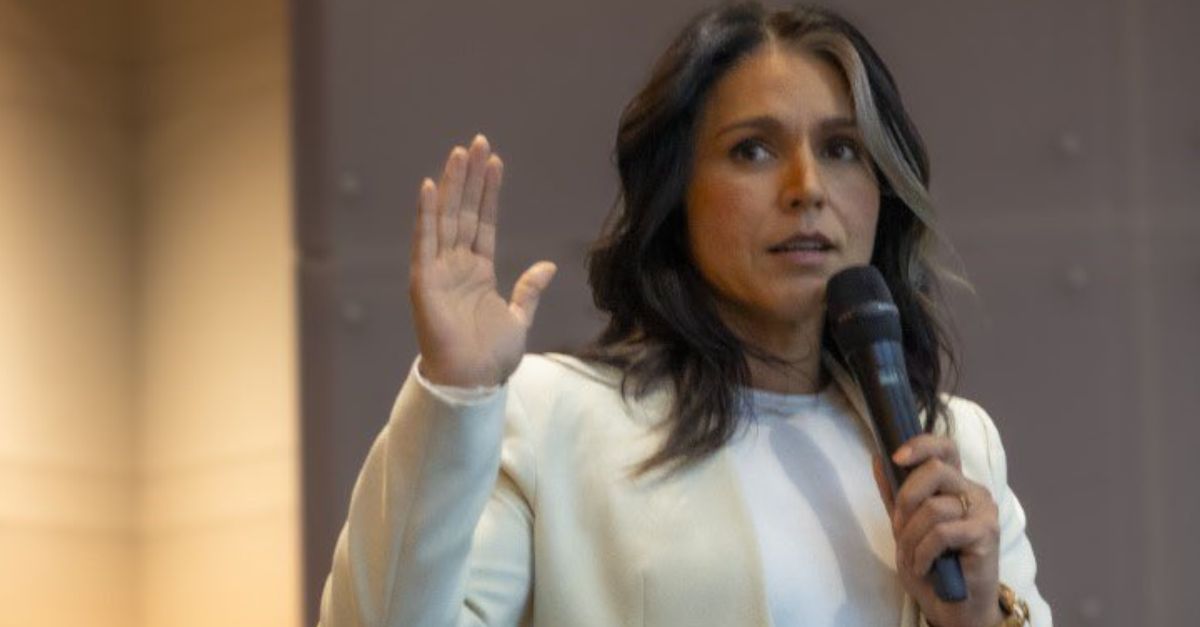
Now, that tradition has ended. Director of National Intelligence Tulsi Gabbard has eliminated the group that produced the report, saying its work had become political and no longer met professional standards.
The Global Trends project began in 1997 and became a widely read forecast during both Republican and Democratic administrations. The reports were written by the National Intelligence Council’s Strategic Futures Group and released in the early months of new presidencies.
Past editions shaped debates in Washington and abroad. The 2017 report, for example, warned about the risk of a pandemic disrupting the global economy. While it projected such a crisis for 2023 rather than 2020, its description of border closures, economic stress, and social isolation proved accurate.
But in August, Gabbard dissolved the group behind the report. Her office said the Strategic Futures Group had “neglected to fulfill the purpose it was created for” and instead promoted “a partisan political agenda.”
In a statement, Gabbard’s office said a draft of the 2025 Global Trends report failed to meet analytic standards and promoted ideas that clashed with the president’s national security priorities.
The decision followed other major shake-ups under Gabbard’s leadership. She also closed the National Intelligence University and cut back programs targeting foreign influence and election threats. Her office argued that the moves were necessary to restore focus and discipline within the intelligence community.
Critics say the move weakens U.S. preparedness for global threats. Jake Sullivan, President Joe Biden’s national security adviser, spoke about the decision at The New York Times’ Climate Forward conference.
Sullivan rejected the claim that intelligence officers used the report for political purposes. He said ignoring issues like climate change would not make them disappear. “The United States is not going to be as prepared and as capable to contend with this challenge going forward,” Sullivan said.
He also criticized the treatment of career intelligence officers. “To have the director of national intelligence cast aspersions upon the professionalism and public service of dedicated people, I just find it basically offensive and wrong,” he said.
Gregory F. Treverton, who chaired the National Intelligence Council under President Barack Obama, also defended the reports. He said the Global Trends project helped develop new intelligence methods and drew insights from global focus groups. “I lament its demise — it was a good exercise in developing tradecraft,” Treverton said.
The cancellation of the report continues a trend seen during the Trump administration, which shut down several offices that studied long-term threats. In March, the Pentagon closed its Office of Net Assessment, which had explored future warfare scenarios.
The elimination of Global Trends marks a significant break from past practice. For more than 25 years, the reports gave policymakers and the public a chance to consider risks beyond the daily news cycle. They also highlighted how global shifts could affect the United States in the decades ahead.
By shutting down the team, Gabbard has made it unlikely the report will return soon. Any revival would require a future administration to rebuild the group from scratch, a process that could take years.