WASHINGTON (Diya TV) — India is facing renewed pressure from the United States as Washington weighs steep new tariffs linked to New Delhi’s continued purchases of Russian oil. Talks between the two sides appear stalled, while the White House and key lawmakers signal a tougher stance on countries trading energy with Moscow. India is currently the world’s second-largest buyer of Russian crude after China. Since the start of the Ukraine war in 2022, Indian refiners have benefited from sharply discounted oil after Western sanctions shut Russia out of G7 and European Union markets.
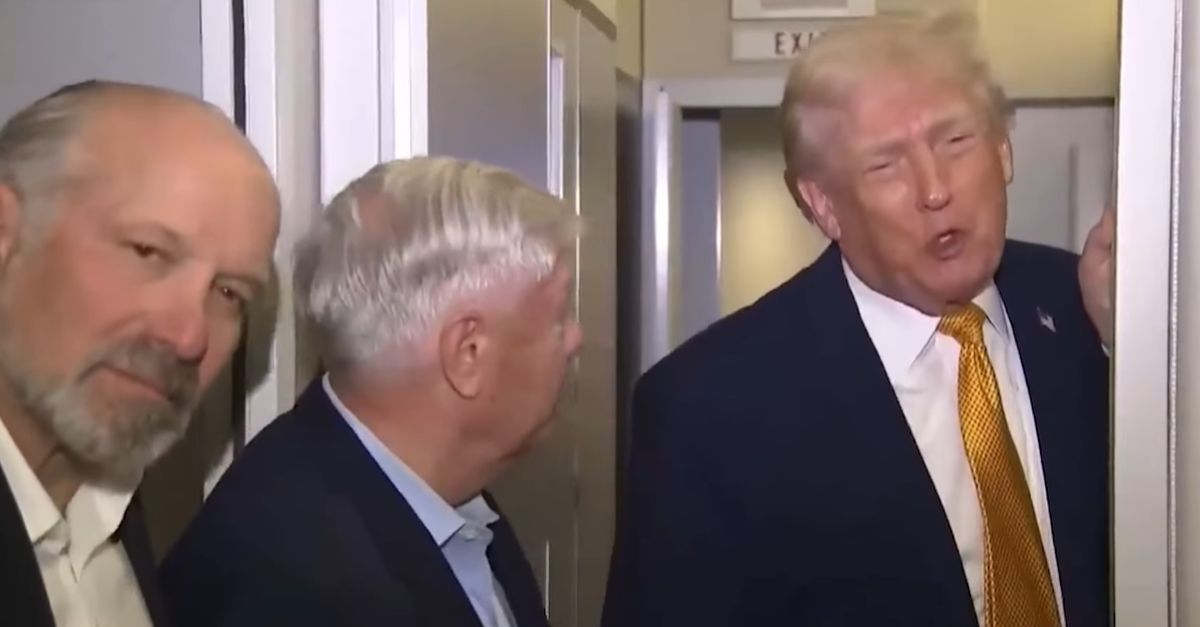
President Donald Trump has warned that India could face swift trade penalties. Speaking to reporters aboard Air Force One, Trump said the United States could “raise tariffs very quickly” on Indian goods. He has frequently used tariffs as leverage in trade negotiations.
The pressure intensified after Senator Lindsey Graham said Trump had approved bipartisan legislation aimed at penalizing countries that buy Russian energy. Graham said he held a “productive” meeting with the president on January 7 and that the bill could reach the Senate floor as early as next week.
The proposed measure, known as the Sanctioning Russia Act of 2025, targets countries that knowingly purchase Russian-origin oil and uranium. It would allow the US president to impose tariffs of up to 500 percent on all goods and services imported from those nations. Graham said the bill would give Trump “tremendous leverage” over countries such as India, China, and Brazil. Democratic Senator Richard Blumenthal is co-sponsoring the legislation.
“This bill will allow President Trump to punish those countries that buy cheap Russian oil, fueling Putin’s war machine,” Graham said in a social media post. He added that Russia continues its war despite Ukraine making concessions toward peace.
The US market is India’s largest export destination. A sharp rise in tariffs could effectively shut Indian goods out of the United States. That outcome would hit key sectors such as textiles, gems and jewelry, and fisheries, which employ millions of workers.
Trump has already taken tough steps. Last year, he imposed a 25 percent reciprocal tariff on Indian imports, along with an additional 25 percent penalty linked to India’s Russian oil purchases. Duties on some products climbed to 50 percent. He has also threatened new tariffs on Indian rice. The warning followed complaints at a White House roundtable that India, China, and Thailand were dumping rice into global markets.
To avoid further economic damage, the Indian government is likely to ask refiners to cut back sharply on Russian oil. Officials are expected to push for alternative supply sources if the US legislation passes. According to Sumit Ritolia, lead research analyst at market intelligence firm Kpler, India has several replacement options. West Asian grades could fill much of the gap quickly. Supplies from the United States and West Africa could also increase.
“India has adequate alternative supply options,” Ritolia said. “However, there would be an economic cost due to the loss of discounted Russian crude.”
Russian oil has helped India keep fuel prices stable. Losing those discounts would raise import costs and pressure refiners’ margins.
Russian crude imports fell in December to about 1.2 million barrels per day, the lowest level in nearly three years, according to Kpler. Tighter sanctions, shipping challenges, and trade uncertainty drove the decline.
The outlook for January and February suggests Russian inflows will remain between 1.2 and 1.3 million barrels per day. Ritolia said the situation remains fluid and depends on policy decisions and market shifts. After Trump doubled duties on Indian goods to 50 percent in August 2025, trade volumes dropped sharply. Imports fell further after the US Treasury sanctioned major Russian producers Rosneft and Lukoil in November.
Despite the risks, Indian refiners still buy Russian oil from non-sanctioned suppliers such as Tatneft and Rusexport. Some cargoes also come through intermediaries outside the sanctions net. At the same time, refiners are widening their sourcing. India has increased purchases from West Asia, Latin America, and West Africa. Supplies from Brazil, Argentina, Colombia, and Guyana have risen. Imports from the United States have also grown.