WASHINGTON (Diya TV) — The Trump administration is defending its controversial new H-1B visa policy, vowing to fight a wave of lawsuits that challenge a steep $100,000 application fee for skilled worker visas. The administration says the fee increase is a necessary step to protect American jobs and reduce fraud in the program that brings thousands of foreign workers to the United States each year.
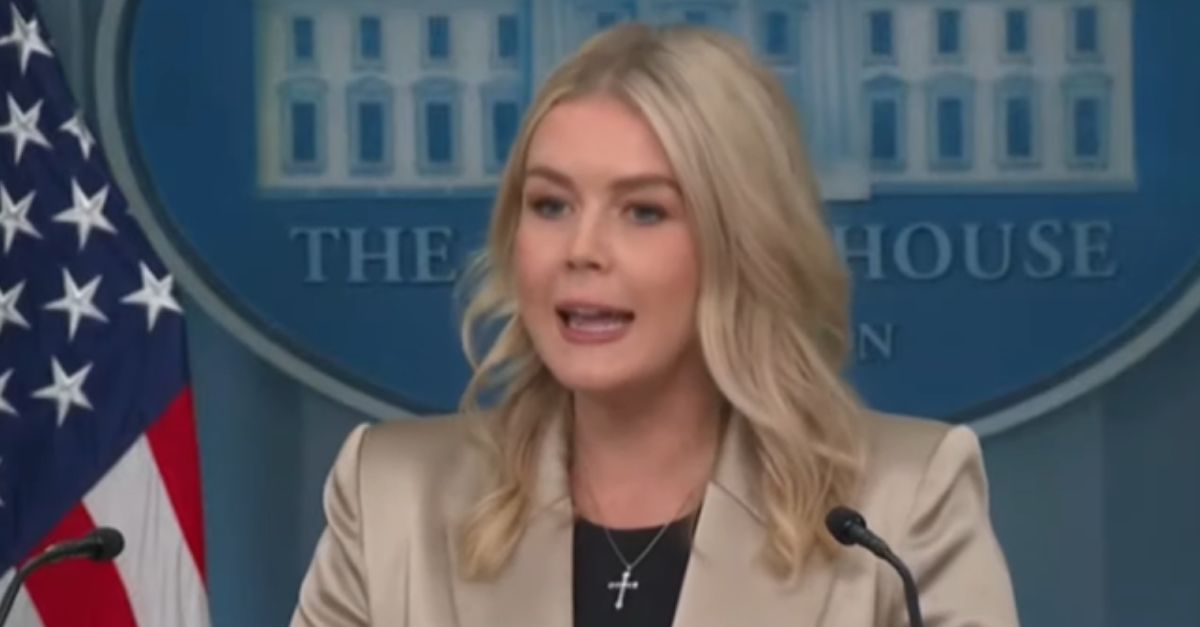
White House Press Secretary Karoline Leavitt said Thursday that the administration will “fight these lawsuits in court.” She defended the policy as both lawful and necessary to safeguard American workers.
“The president’s main priority has always been to put American workers first and to strengthen our visa system,” Leavitt told reporters. “For far too long, the H-1B visa system has been spammed with fraud, and that’s driven down American wages.”
Leavitt said the policy aims to fix “systemic problems” in the visa process. She added that President Donald Trump wants to “refine the system” to ensure that employers hire U.S. workers before turning to foreign talent.
“These actions are lawful, they are necessary, and we’ll continue to fight this battle in court,” she said.
The U.S. Chamber of Commerce has filed a lawsuit in the U.S. District Court for the District of Columbia, calling the new $100,000 fee “plainly unlawful.” The Chamber argues that the Immigration and Nationality Act (INA) requires visa fees to reflect the government’s actual costs for processing applications. The lawsuit claims that the six-figure fee far exceeds those costs.
“The policy overrides provisions of the Immigration and Nationality Act that govern the H-1B program,” the Chamber said in a statement on October 16. “Many businesses may have to scale back or entirely walk away from the H-1B program.”
In addition to the Chamber’s filing, a coalition of employers, unions, educators, and religious organizations has brought separate lawsuits in Washington, D.C., and California. The groups argue that the fee is “arbitrary and capricious” and could damage key U.S. industries that depend on skilled foreign talent, especially in the technology and engineering sectors.
Major tech firms like Amazon, Microsoft, and Google have long relied on the H-1B program to fill specialized roles that require technical or theoretical expertise. Industry leaders warn that the new policy could make it too costly for companies—particularly small and midsize businesses—to participate in the program. The U.S. Chamber of Commerce said the fee could “force companies to abandon the program altogether,” hurting innovation and competitiveness in the global market.
Many business groups also fear the move will reduce the number of skilled workers available in critical industries, from healthcare to information technology. The Trump administration says the new policy is part of a broader effort to curb “cheap labor abuse” and ensure that American workers receive fair wages and job opportunities.
“The president believes American workers deserve fair wages and job opportunities,” Leavitt said. “These reforms are designed to close loopholes that have allowed companies to take advantage of the program.”
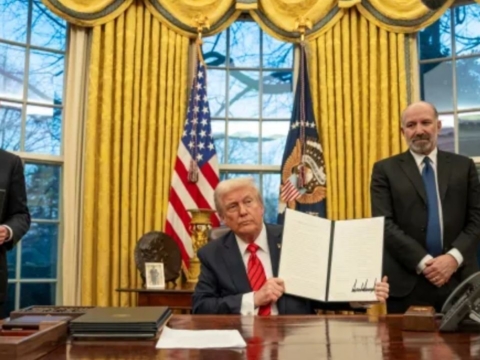
Trump signed the executive order establishing the fee last month, with the measure taking effect on October 6. It primarily targets companies that rely heavily on the H-1B visa to hire foreign workers in specialized roles.
The H-1B visa program allows U.S. employers to hire foreign professionals in specialty occupations that require advanced knowledge in fields like science, engineering, and medicine. Each year, tens of thousands of foreign workers—many from India—receive H-1B visas to work in the United States. According to immigration experts, roughly 70% of all H-1B visa holders are from India, a country that supplies much of the global tech talent to U.S. companies.
The fight over the H-1B program has become a central issue in debates about immigration and labor policy. The Trump administration argues that tightening the program will help restore “integrity” and “fairness” in the job market.
Critics, however, say the fee hike could harm American innovation, disrupt hiring, and reduce the country’s ability to compete for global talent.