WASHINGTON (Diya TV) — President Donald Trump has publicly asserted that several countries — including Pakistan — are actively testing nuclear weapons, prompting the United States to consider resuming its own nuclear tests.
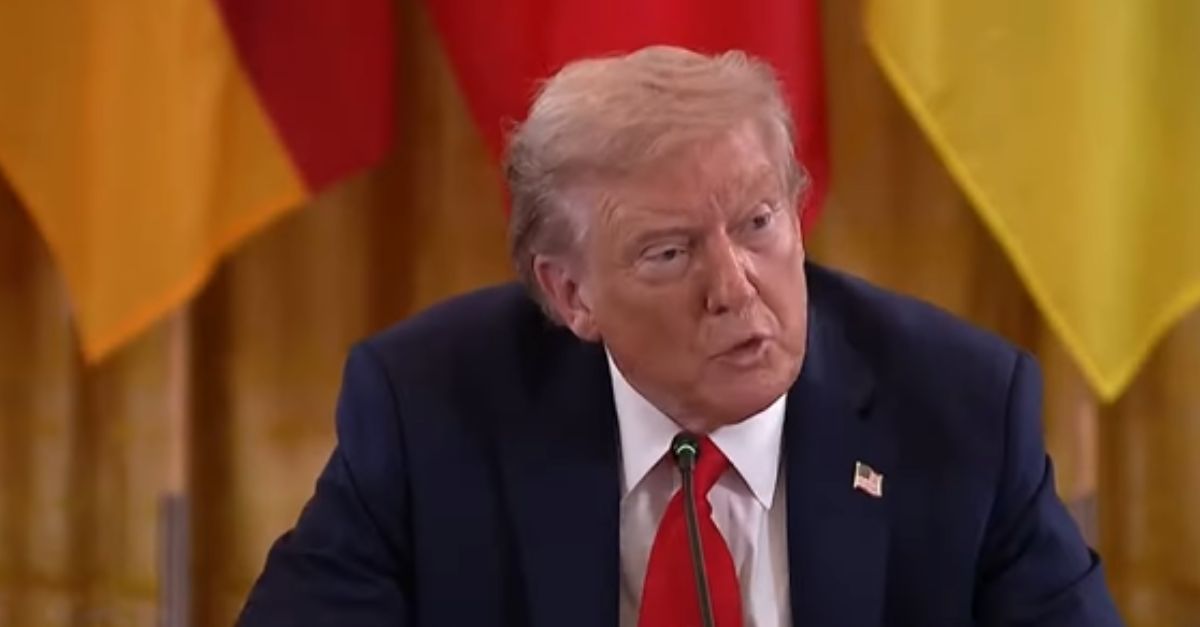
During an interview with 60 Minutes, Trump named Pakistan alongside Russia, China, and North Korea as states conducting nuclear‐weapon tests. He said, “Russia’s testing and China’s testing … we’re an open society … they don’t talk about it.” He added, “Certainly North Korea’s been testing. Pakistan’s been testing.” He argued that because these countries are testing, the U.S. must act to avoid being “the only country that doesn’t test.”
Trump announced that he had instructed the U.S. Department of War to begin testing U.S. nuclear weapons “on an equal basis” with other nations. The U.S. has not conducted a nuclear test explosion since 1992. The move risks reigniting global nuclear tensions, even as the administration indicates the tests may not involve full detonations.
If the claim that Pakistan is testing nuclear weapons is accurate, it signals a worrying broadening of nuclear-test activity beyond the usual suspects. The claim raises concern, especially in South Asia, where Pakistan and India already face long-standing nuclear tensions. Trump’s remarks imply that the U.S. sees itself in a strategic deficit if it remains bound by a moratorium while other states advance their capabilities.
Resuming nuclear tests would mark a major reversal of longstanding U.S. policy and would likely provoke strong reactions from allies and adversaries alike. It could undermine non-proliferation efforts and prompt other nations to open testing programs.
Also, the claim itself about Pakistan testing weapons has potential diplomatic consequences. Pakistan has never publicly acknowledged new nuclear-explosion tests in recent years — such an assertion from the U.S. may shift regional dynamics. Finally, the public framing — that the U.S. is “playing catch-up” — sends a signal of changed nuclear posture, which could unsettle strategic balances.