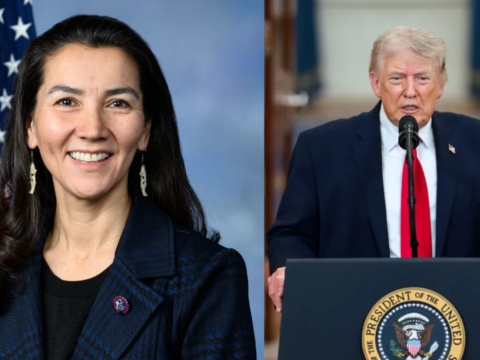
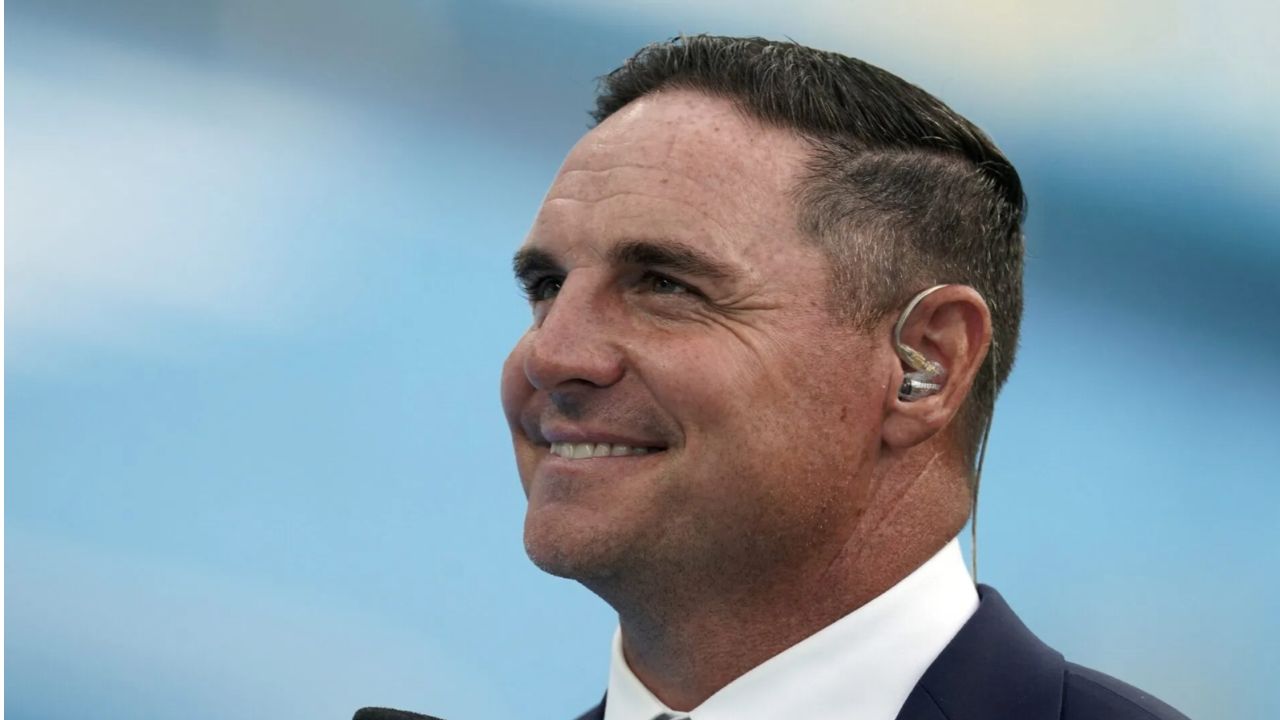
PHOENIX, Ariz. (Diya TV) — President Donald Trump is making a late push for Republican Jay Feely in Arizona’s 1st Congressional District, where outside groups have spent more than $22 million backing the former NFL kicker as he faces Democrat Amish Shah. The Nov. 3 contest could help decide control of the U.S. House.
Trump endorsed Feely in July. The two have known each other for years and played golf together. Feely initially planned to run in the 5th District, then switched to the 1st at Trump’s urging. He lives in Gilbert, outside the district, which includes Scottsdale, parts of northeast Phoenix, Fountain Hills and Cave Creek.
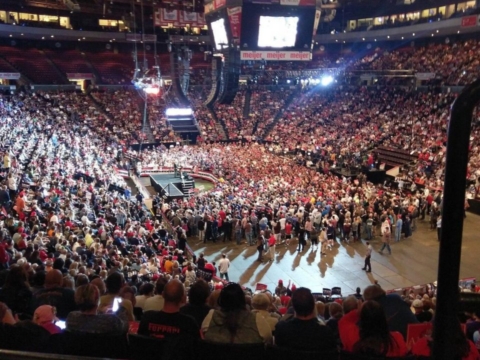
Feely has also tried to establish distance from the president. In an October social media post, he said he would stand up to anyone, including Trump, if he believed it was best for Arizona. He missed Trump’s Oct. 14 rally in the state. Those moves come as Feely seeks to turn the president’s endorsement into an advantage without alienating voters wary of national politics.
Shah, an emergency physician and former state representative, is seeking a second chance at Congress. He lost to Republican David Schweikert by 3.8 percentage points in 2024. Schweikert is not seeking reelection to the House; he ran for governor, leaving the seat open.
The district’s registration numbers help explain why both candidates are courting independents. Republicans account for about 38% of registered voters, Democrats slightly more than 26%, and independents and voters registered with other parties about 35%. Cook Political Report rates the contest “lean Democratic,” while Inside Elections rates it “tilt Democratic.” Those are analyst assessments, not predictions of the result.
Local pollster Marcus Dell’Artino said independent turnout could decide the race. “If independents show up in big numbers, it favors Shah. If they don’t, it favors Feely,” he told the Arizona Capitol Times.
The candidates have debated issues with direct local stakes, including health care, immigration, inflation and data-center development. Their disagreement over data centers has focused on water, electricity and whether the projects would benefit residents in the arid north Valley.
Shah says district voters oppose new data centers and points to concerns over their demands on water and power. Feely argues developers can bring jobs and investment if they build projects responsibly. Feely has also criticized Shah for supporting tax incentives for data centers while serving in the state Legislature; Shah now opposes building them in the district.
Money has amplified the contest. Republican-aligned groups have spent more than $22 million to boost Feely, according to recent campaign coverage. The figure reflects outside spending, which can fund advertising and other efforts but does not go directly to Feely’s campaign. Democratic groups have also spent millions to oppose him. The totals vary by reporting period and how trackers classify support and opposition, so they do not represent a single final accounting.
The spending and Trump’s involvement make the race a national test, but local concerns may carry more weight with voters. Shah is campaigning on his medical and legislative experience; Feely presents his business background and ties to Trump as assets.