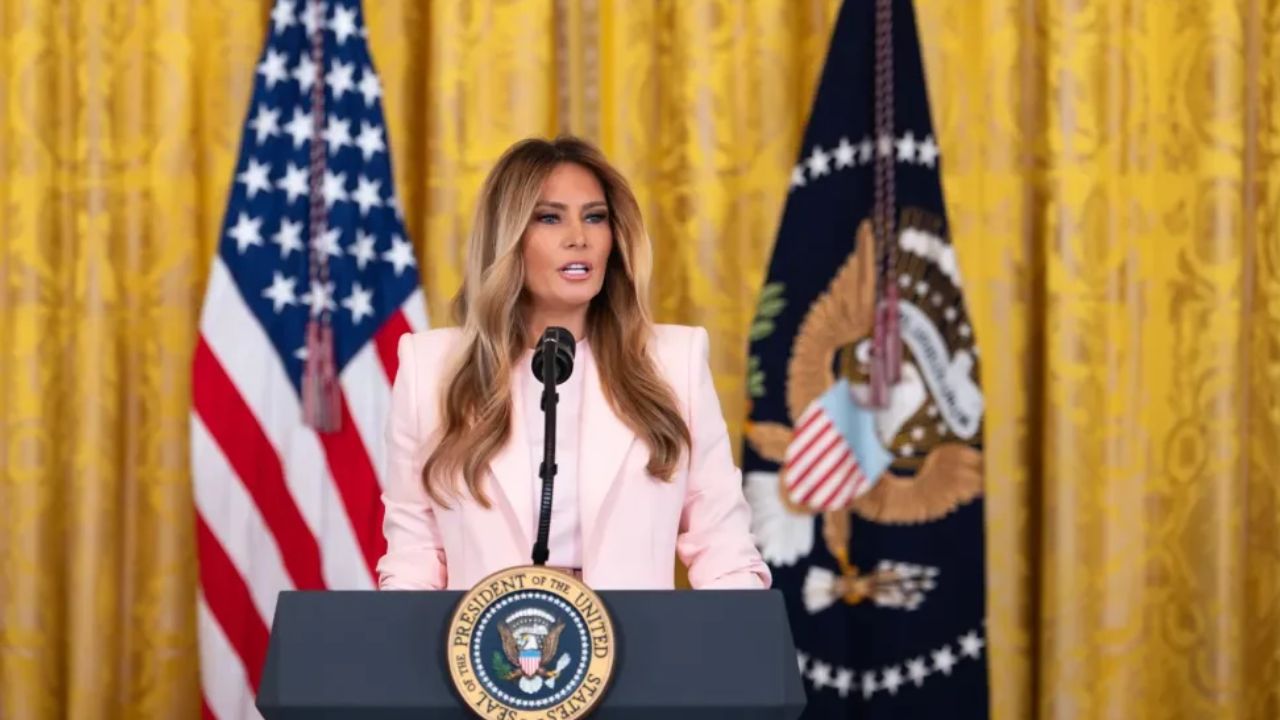
OLESHKY, Ukraine (Diya TV) — A localized ceasefire between Russia and Ukraine took effect around Russian-occupied Oleshky early Tuesday, creating a short window for a humanitarian mission to reach residents facing severe shortages of food and medicine. U.S. first lady Melania Trump helped broker the agreement, the White House said.
The pause began at 3 a.m. local time. Ukrainian officials described a three-stage plan: halt fighting, deliver aid, then evacuate civilians who want to leave. The ceasefire is expected to last through Nov. 1, but officials have not published a detailed schedule for the operation. As of Tuesday, reports confirmed that both sides said they were observing the truce; they did not confirm that aid had reached the town or that evacuations had begun.
Ukrainian human rights ombudsman Dmytro Lubinets said crews must clear mines from roads before vehicles can reach Oleshky. The operation also faces the threat of drone attacks and damaged infrastructure. Ukrainian negotiators have described plans to deliver food, drinking water, medicine and medical supplies for the town’s hospital. The parties have not publicly explained who will monitor the routes or how they will respond if the ceasefire breaks down.
The White House said Melania Trump and her representative worked with Russian and Ukrainian officials on the arrangement. Her involvement followed months of concern about Oleshky’s deteriorating conditions and discussions with civilian negotiators and U.N. officials. Pope Leo XIV also urged Russian President Vladimir Putin and Ukrainian President Volodymyr Zelenskyy to allow aid deliveries and safe civilian evacuations.
Oleshky sits on the eastern bank of the Dnipro River in Kherson region, which Russian forces occupied during the 2022 invasion. The town had about 24,000 residents before the war; Ukrainian officials estimate roughly 2,000 remain. Many are older or sick, and some may need medical help to travel.
The humanitarian crisis has deepened as roads became dangerous and basic services failed. Residents have faced shortages of food and medicine, along with unreliable electricity, heating and water. Earlier U.N. reporting described a lack of food and medical care for civilians trapped in occupied areas of Kherson. Recent reports from people who escaped Oleshky described residents rationing small portions of rice or buckwheat and supplementing meals with whatever produce they could find.
Russia and Ukraine have traded accusations over the town’s isolation. Moscow has said Ukrainian attacks disrupted deliveries and prevented residents from leaving. Kyiv has accused Russian forces of blocking humanitarian access and mining roads. Those claims remain disputed, and the ceasefire’s practical test will be whether aid workers and civilians can move safely.
The truce covers Oleshky, not the wider front. Russian attacks continued elsewhere in Ukraine, including overnight strikes on Kyiv, according to Reuters and the Associated Press. The local agreement does not amount to a broader ceasefire or resolve the war’s central disputes.
For Oleshky’s residents, the agreement matters only if it brings supplies, medical care and a safe way out for those who want to leave. Melania Trump helped broker the pause, but clearing mines and maintaining security will determine whether the planned mission can reach them.