WASHINGTON (Diya TV) — In a sharp reversal from his earlier stance, President Donald Trump defended the presence of foreign students in the United States, calling it a “good for business” practice that helps American universities stay financially strong.
During an interview with Fox News host Laura Ingraham, Trump warned that reducing international enrollment could cause major damage to the nation’s higher education system. He said that many U.S. colleges rely heavily on tuition from overseas students to keep their doors open.
“You don’t want to cut half of the people, half of the students from all over the world that are coming into our country — destroy our entire university and college system — I don’t want to do that,” Trump said. “I actually think it’s good to have outside countries. Look, I want to be able to get along with the world.”
The president stressed that foreign students not only bring cultural diversity but also play a key role in sustaining universities financially. He said that a drastic cut in international enrollment could drive “half of the U.S. colleges out of business.”
Trump argued that students from abroad contribute “trillions of dollars” to the American economy and pay “more than double” the tuition that U.S. students pay. “I want to see our school system thrive,” he said. “It’s not that I want them, but I view it as a business.”
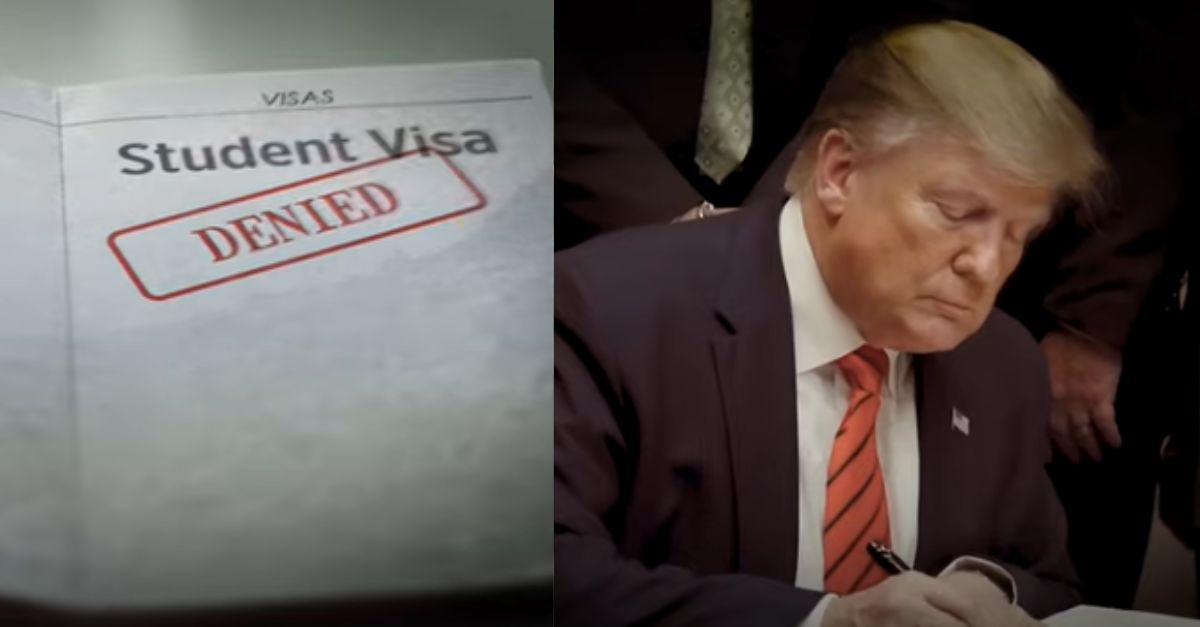
His comments mark a notable shift from previous actions by his administration. Over the past year, thousands of student visas have been revoked, and some international students involved in pro-Palestinian protests have been arrested or deported. The administration also proposed new limits on the number of foreign students studying in the U.S., sparking strong opposition from universities.
Secretary of State Marco Rubio earlier this year instructed U.S. embassies to suspend student visa interviews temporarily. They later resumed with stricter checks. The move drew concern from educators and business leaders who warned that it could harm America’s reputation as a global education hub.
The administration has also proposed the “Compact for Academic Excellence in Higher Education,” a plan that would cap international students at 15% of total undergraduate enrollment. Under the proposal, no more than 5% of students at any school could come from the same foreign country. University leaders have pushed back, saying such limits could reduce diversity, hurt research, and weaken smaller colleges already struggling to recover from the pandemic.
When Ingraham suggested that reducing international enrollment could open up more seats for American students, Trump disagreed. He said that cutting back on foreign students would not help domestic applicants and could instead harm smaller colleges and historically Black universities that rely heavily on international tuition revenue.
“Half of the U.S. colleges would go out of business if we were to cut that in half,” Trump said. “We do have a lot of people coming in from China; we always have China and other countries.”
Trump’s latest remarks suggest a growing awareness of the economic role foreign students play in supporting higher education. According to education officials, international students contribute billions each year in tuition, housing, and other expenses. They also support local economies in college towns across the country.
Despite previous crackdowns, Trump’s new position appears to align with university administrators and business leaders who say international enrollment is vital for the nation’s competitiveness. Many institutions have reported declining numbers of students from countries such as India and China amid stricter visa rules and political tensions.
Trump’s statement may signal an effort to balance his administration’s immigration policies with the economic realities facing higher education. By framing foreign students as a “business advantage,” he acknowledged their importance to both universities and the broader U.S. economy.
As Trump put it, the goal is simple: keep America’s universities thriving. “I want to see our school system succeed,” he said. “You can’t destroy it by cutting off half the world.”