ISLAMABAD, Pakistan (Diya TV) — Pakistan has declared a “state of war” after a deadly suicide bombing killed 12 people and injured more than 20 others in the capital on Tuesday. The blast, which ripped through Islamabad’s high-security judicial district, marked the deadliest attack in the city in nearly two decades and reignited tensions with neighboring Afghanistan.
Pakistani Defense Minister Khawaja Asif said the bombing was a “wake-up call” and warned that Pakistan is now “in a state of war.” He accused Afghanistan’s Taliban-led government of allowing militants to carry out cross-border attacks.
“We are in a state of war,” Asif said in a post on X. “Anyone who thinks this war is limited to the border region should take today’s attack as a wake-up call. Bringing this war to Islamabad is a message from Kabul. Pakistan has the full strength to respond.”
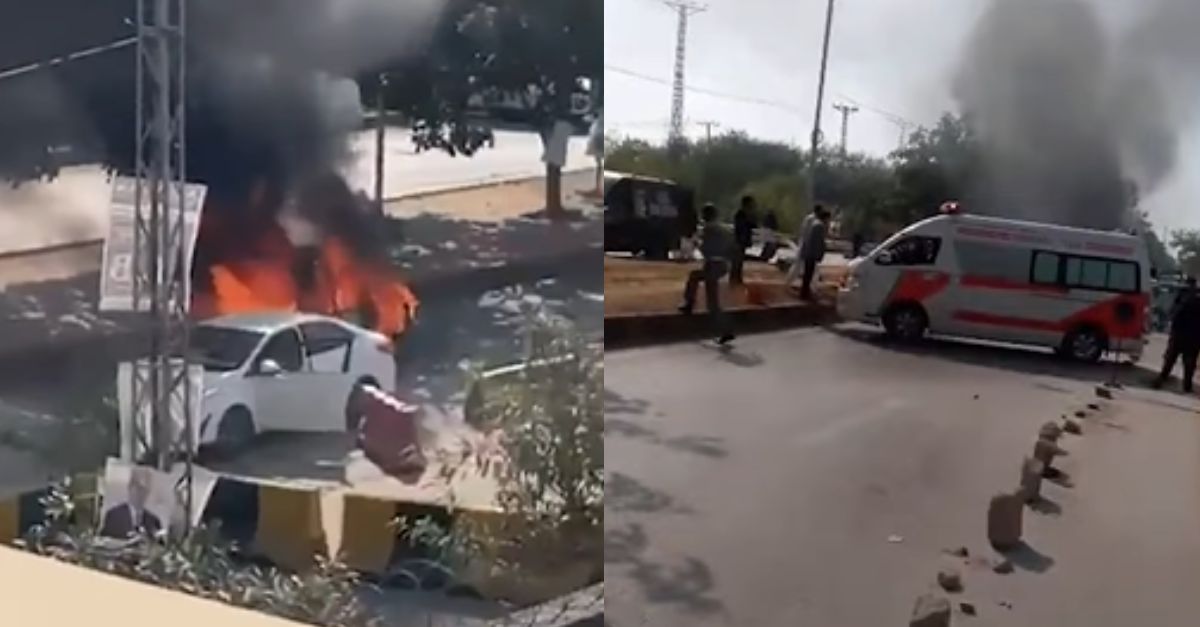
The explosion struck near the Islamabad District Judicial Complex, one of the city’s most secure areas. Witnesses said the blast sent a fireball into the sky, shattering windows and setting cars on fire. Police said the attacker attempted to enter the court complex but detonated explosives when stopped by security officers.
Interior Minister Mohsin Naqvi said the bomber targeted a police car after failing to pass through security checks. “We have all the CCTV footage,” Naqvi told reporters. “The attacker waited near the gate, and when the police car approached, he detonated himself.”
Authorities said the attack was the deadliest in Islamabad since 2008, when a suicide bombing at the Marriott Hotel killed 54 people. Rescue teams rushed to the scene on Tuesday as flames and smoke engulfed parked vehicles.
Among the survivors was a 32-year-old PhD student named Abbas, who was walking near the site when the explosion occurred. “I saw about 40 people fall immediately,” he said. “I was bleeding, but thank goodness I was saved.”
Police cordoned off the area and launched an investigation to determine how the bomber breached multiple security layers. Forensic teams have recovered the attacker’s remains for analysis.
Jamaat-ul-Ahrar, a faction of the Pakistani Taliban known as the Tehrik-i-Taliban Pakistan, or TTP, claimed responsibility for the attack. However, the TTP’s main leadership denied involvement, suggesting internal divisions within the group.
The bombing has sharply escalated tensions between Islamabad and Kabul. Pakistan has accused Afghanistan’s Taliban rulers of sheltering the TTP, which has carried out numerous attacks inside Pakistan since the Afghan Taliban’s return to power in 2021.
In recent months, Pakistan has launched airstrikes inside Afghanistan, targeting suspected militant hideouts. Earlier in October, Pakistani air raids in the Afghan provinces of Khost and Paktika killed at least 10 people, including civilians. The Afghan government condemned the strikes as a “violation of sovereignty.”
Relations between the two countries have deteriorated further after peace talks in Istanbul collapsed last week. Both sides blamed each other for the failure, ending hopes for a ceasefire.
President Asif Ali Zardari condemned the attack as a “heinous act of terror” and vowed justice for the victims. Prime Minister Shahbaz Sharif accused “Indian terrorist proxies” of involvement, claiming the attack was “carried out from Afghan soil and backed by India.”
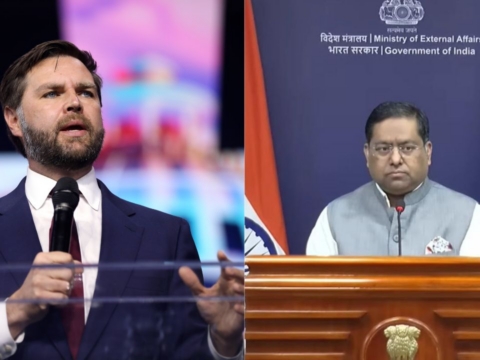
India’s Foreign Ministry rejected the allegations, calling them “baseless and unfounded.” Delhi accused Islamabad of using “diversionary tactics” to distract from internal political turmoil.
The exchange of accusations follows months of escalating border clashes between Pakistan and India. The two nuclear-armed neighbors fought a four-day conflict in May involving drones, fighter jets, and missiles.
The attack has rattled Islamabad, a city known for heavy security and government institutions. Despite checkpoints and restricted zones, militants managed to strike in the heart of the capital, exposing security gaps.
Authorities have increased patrols around embassies, courts, and key installations. “We will respond with full force,” said Interior Minister Naqvi. “Terrorism will not break our resolve.”
The suicide bombing comes less than a day after militants attacked a cadet college in northwestern Pakistan, deepening fears of a wider wave of violence.
Pakistan has seen a sharp rise in militant attacks since the Afghan Taliban’s return to power in 2021. Many of these assaults have targeted security forces in Khyber Pakhtunkhwa and Balochistan provinces.
As investigators review CCTV footage and witness statements, officials say the Islamabad attack is a grim reminder that militant violence — once thought confined to the border regions — has reached the capital again.
Pakistan’s leaders now face growing pressure to respond decisively. “This is no longer a border issue,” Asif said. “It is a national struggle for survival.”