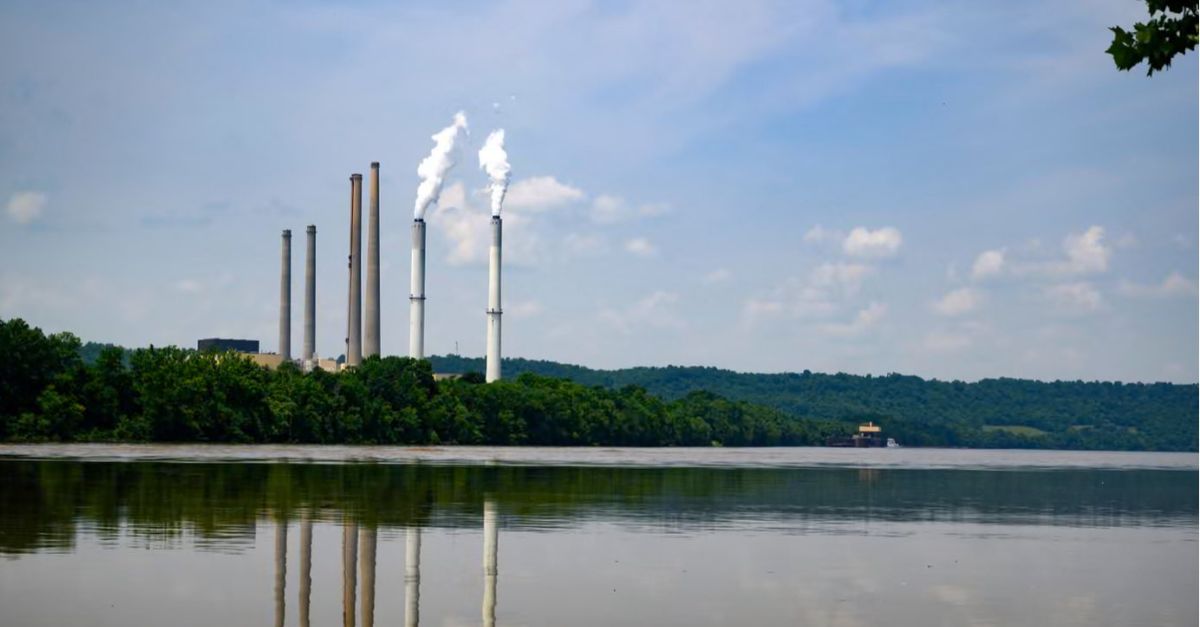
WASHINGTON (Diya TV) — The Trump administration said Monday it will open more than 13 million acres of public land for coal mining and invest $625 million to extend the life of coal-fired power plants. The move marks the latest effort by President Donald Trump to revive a shrinking coal industry that has lost ground to natural gas and renewable energy.
Interior Secretary Doug Burgum announced the actions alongside Environmental Protection Agency Administrator Lee Zeldin and Energy Undersecretary Wells Griffith. The three agencies signed orders to boost coal production, lower mining costs, and reduce regulations. Trump has long promised to restore what he calls “beautiful coal” despite decades of decline.
The plan includes $350 million to modernize coal plants, $175 million to expand coal projects in rural communities, and $50 million for wastewater upgrades. Federal officials said the funding will support affordable and reliable power as electricity demand rises from artificial intelligence, data centers, and electric vehicles.
The administration also cut the royalty rate for coal mining on federal lands from 12.5% to 7%. Officials said the lower rate will help U.S. producers compete in global markets. Burgum called the effort “mine, baby, mine,” echoing a slogan that reflects the push to open more land and create more jobs.
Zeldin described coal as a stable energy source that has powered American communities for generations. He argued that the previous administration’s rules pushed coal plants toward closure and raised energy costs.
But environmental groups blasted the decision. Critics said coal is the most expensive and polluting energy source, and they accused Trump of wasting taxpayer money. Ted Kelly of the Environmental Defense Fund said the plan props up “dirty, uncompetitive plants of the last century” instead of moving to clean energy. Amanda Levin of the Natural Resources Defense Council called the effort “a colossal waste of our money” as families face high utility bills.
Laurie Williams of the Sierra Club said the EPA is allowing coal plants to dump more toxic waste into waterways by delaying pollution deadlines. She warned that coal ash contains arsenic and lead that can spread through drinking water and food supplies.
The EPA also said it will take public comments on possible changes to the regional haze rule, which has reduced pollution over parks and tribal lands. Zeldin has signaled he wants to roll back that rule and others, including the agency’s 2009 finding that climate change harms health and the environment.
Industry leaders welcomed the shift. Michelle Bloodworth, president of America’s Power, said the actions will help “protect America’s electric reliability and preserve its fleet of coal-fired power plants.” Burgum added that the push will ensure abundant domestic energy while reducing reliance on foreign suppliers.
Coal once dominated U.S. electricity production, providing nearly half of all power as recently as 2010. But its share fell to about 15% in 2024, according to federal data. Natural gas now generates more than 40% of U.S. electricity, while wind and solar power continue to grow. Last year, renewable energy surpassed coal for the first time in U.S. history.
The Energy Information Administration projects that coal will keep shrinking as gas and renewables expand. Experts say any rebound from Trump’s policies will likely be temporary. Coal plants remain costly to run, while new solar, wind, and battery projects are cheaper and faster to build.
Still, Trump has tied his second-term energy agenda to coal. His administration has prolonged plant operations, expanded leases, and weakened environmental rules. The new actions add another layer to his broader push for what he calls energy dominance.
The fight over coal highlights a deep divide in U.S. energy policy. Supporters see jobs, security, and tradition. Opponents see pollution, health risks, and higher costs. For now, Trump is betting on coal, even as America’s power grid continues to shift toward cleaner and cheaper alternatives.