WASHINGTON (Diya TV) — New internal documents reveal that the Trump administration has expanded security screening for immigrants applying for legal benefits, a move that could slow processing times while increasing scrutiny. The policy affects a wide range of applicants. It includes those seeking asylum, green cards, and U.S. citizenship. Officials say the goal is to strengthen national security. Critics warn it could create delays and uncertainty for thousands of applicants.
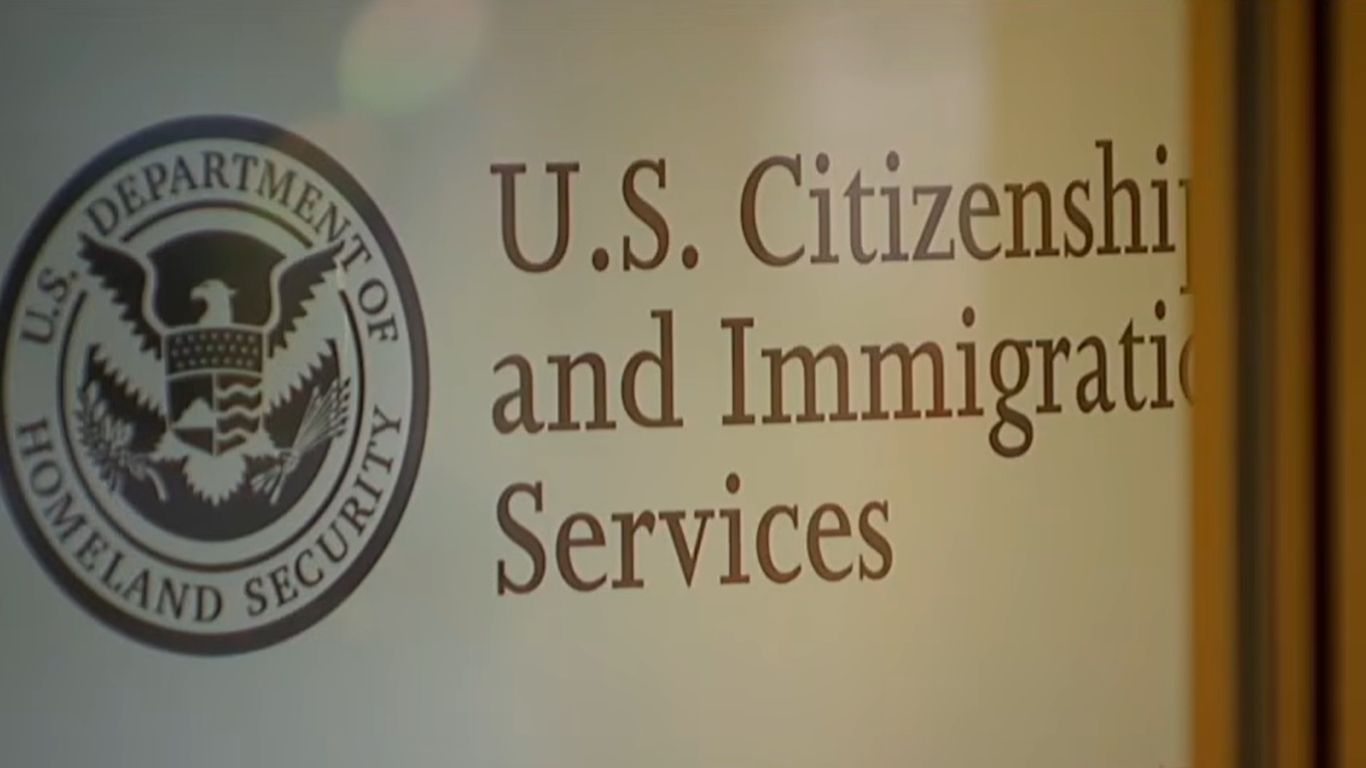
According to documents obtained by CBS News, the U.S. Citizenship and Immigration Services has instructed officers to reprocess pending applications using enhanced background checks. These checks rely on expanded access to data from the Federal Bureau of Investigation. Officers must now resubmit fingerprint-based screenings if earlier checks were completed before April 27. They cannot approve cases until the new checks are done.
This change affects applications that require biometric data. It also includes petitions filed by U.S. citizens or permanent residents for relatives or fiancées. Officials say the new measures will improve screening accuracy. They aim to identify applicants who may pose risks to public safety or national security.
The policy stems from an executive order issued earlier this year by Donald Trump. The order directs the Justice Department to give immigration officials broader access to federal criminal databases. The order calls for access “to the maximum extent permitted by law.” It targets individuals with criminal histories who may have violated immigration laws or plan to break U.S. laws. Officials say this data-sharing effort allows immigration officers to make better-informed decisions. It also aligns with broader efforts to tighten immigration controls.
The new screening process has already caused some delays. USCIS officers have paused approvals for cases that have not gone through the updated checks. Agency spokesperson Zach Kahler said the delays should be temporary. He noted that processing continues while officers apply the new requirements.
“Any delay in decision issuance should be brief and resolved shortly,” Kahler said. “USCIS will always prioritize the safety of the American people.”
Despite this assurance, immigration advocates worry about the impact. They say even short delays can disrupt lives. Applicants often depend on timely decisions for work permits, travel, or family reunification.
The enhanced screening is part of a wider push by the administration to increase vetting of immigrants. Since returning to the office, officials have introduced several policies aimed at tightening access to legal immigration pathways. One policy includes reviewing applicants’ social media activity. Officers look for content that may signal “anti-American” views or behavior. This step has raised concerns about privacy and free speech.
The administration has also slowed or paused several immigration programs. It temporarily halted many asylum cases and froze applications from nationals of 39 countries under a travel restriction policy. Officials have since scaled back the asylum pause. However, restrictions remain in place for applicants from countries covered by the travel ban.
The new measures could affect thousands of people already in the system. Many applicants have waited months or even years for decisions. Additional screening steps may extend those timelines. Legal experts say the policy reflects a shift toward stricter enforcement within legal immigration channels. They note that previous administrations also used background checks, but not at this expanded level.