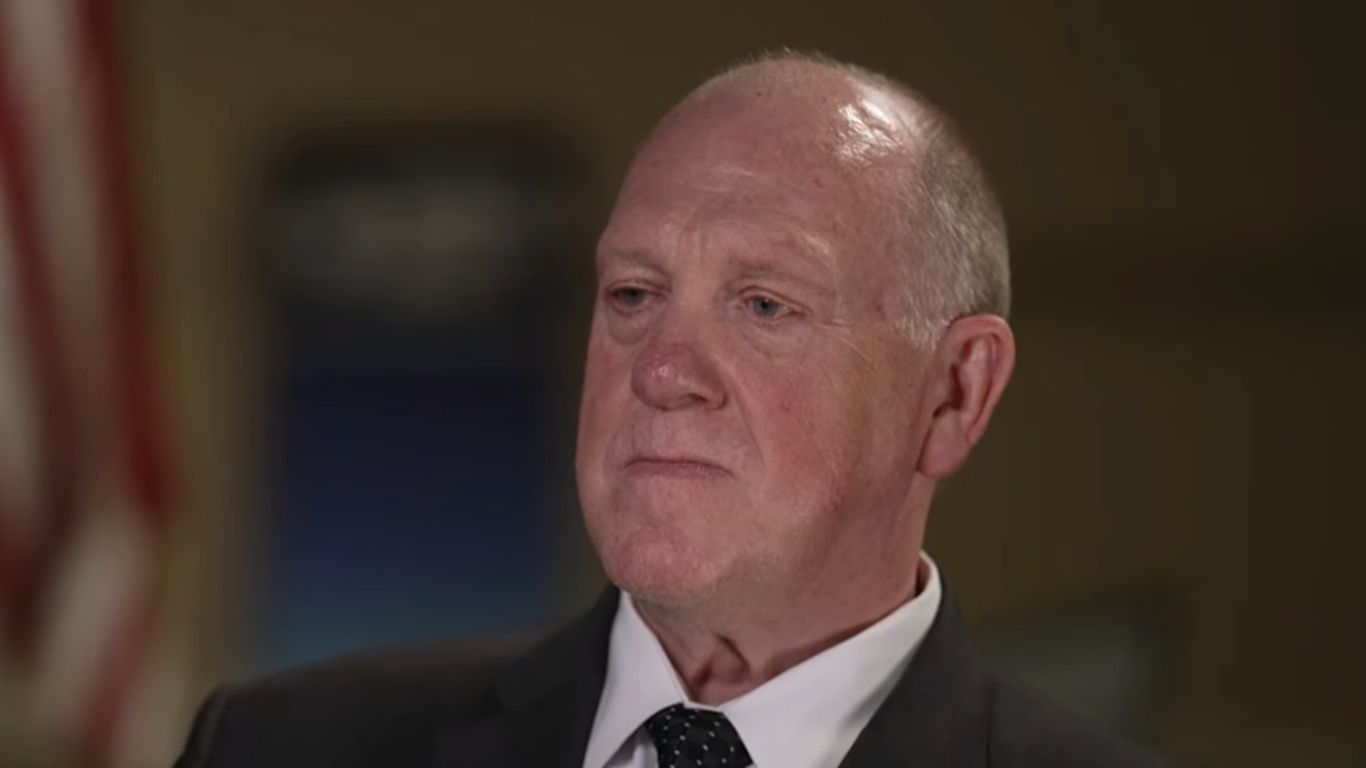
PHOENIX, Ariz. (Diya TV) — White House border czar Tom Homan on Tuesday delivered a blunt message on immigration enforcement, warning that “mass deportations are coming” as the administration prepares to expand operations across the United States. Speaking at the Border Security Expo in Phoenix, Homan addressed a room of Department of Homeland Security officials and industry personnel. He dismissed critics, including some within Donald Trump’s political base, who argue the administration has not deported enough undocumented immigrants.
“You ain’t seen anything yet,” Homan said, signaling a more aggressive phase of enforcement in the months ahead.
Homan said the administration plans to ramp up enforcement efforts nationwide. He emphasized that officials will increase the number of immigration officers, particularly in areas that limit cooperation with federal authorities. He said he spoke earlier in the day with Homeland Security Secretary Markwayne Mullin about upcoming actions. According to Homan, the administration will “flood the zone” with agents in jurisdictions that adopt policies restricting coordination with Immigration and Customs Enforcement.
“This year will be a good year,” Homan said. “Mass deportations are coming.”
The comments highlight a shift toward a broader enforcement strategy after months of criticism from both sides of the political spectrum. Homan said authorities will prioritize individuals who pose public safety risks. However, he made clear that undocumented immigrants without criminal records remain subject to arrest.
“I don’t care how long you’ve been here,” Homan said. “If you’re here illegally, you cheated the system.”
He acknowledged that roughly 35% to 40% of those arrested during Trump’s second term have no criminal record. He said that the approach aims to send a strong message globally about U.S. immigration enforcement. Homan also warned that “collateral arrests” will increase. These arrests occur when individuals who are not the initial targets are detained during enforcement operations.
“You will see more agents in your neighborhoods,” he said. “You forced us into this position.”
The administration’s evolving strategy follows months of controversy under former DHS Secretary Kristi Noem. Her tenure included high-profile immigration operations in cities like Chicago, Minneapolis, and Los Angeles. Those actions sparked protests and public concern.
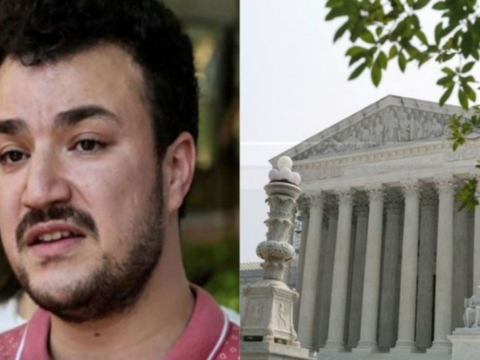
In Minneapolis, tensions escalated after two Americans were shot and killed during confrontations linked to immigration enforcement. One of the victims, nurse Alex Pretti, drew national attention and intensified criticism. Following the incidents, Trump deployed Homan to Minneapolis to replace Border Patrol official Gregory Bovino and reduce tensions.
Since then, officials have attempted to soften public messaging. James Blair reportedly advised Republicans to focus on removing criminals rather than emphasizing “mass deportations.”
Homan’s remarks suggest the administration may now be balancing both approaches.
Homan’s comments quickly drew reactions from state leaders. Kathy Hochul criticized the plan, especially the threat to send more federal agents into states with protective immigration policies. She said Trump previously indicated he would not increase ICE presence in New York without her approval.
“I’m not asking,” Hochul said.
The exchange underscores ongoing tensions between federal immigration authorities and states that limit cooperation with enforcement agencies.
Homan struck a defiant tone throughout his remarks. He dismissed critics as “keyboard warriors” and insisted the administration remains committed to its immigration agenda. He said he will continue pursuing stricter enforcement regardless of political pressure or public opinion.
“I simply don’t care what people think about me,” Homan said. “I never have and never will.”
The administration has not released detailed timelines for the expanded operations. However, Homan’s comments indicate that enforcement efforts will intensify in the coming months.
The focus on increased arrests, expanded agent deployment, and broader enforcement could shape the national immigration debate ahead of the next election cycle. For now, Homan’s message is clear: the administration plans to move forward with its mass deportation strategy, even as critics raise concerns about its impact on communities across the country.