
NEW DELHI, India (Diya TV) — Nepal’s August floods destroyed roads, bridges and hydropower facilities, leaving thousands dead or missing and cutting the country’s electricity capacity. India has now pledged $1.62 billion in development assistance, with most of the package structured as credit for energy projects rather than direct grants.
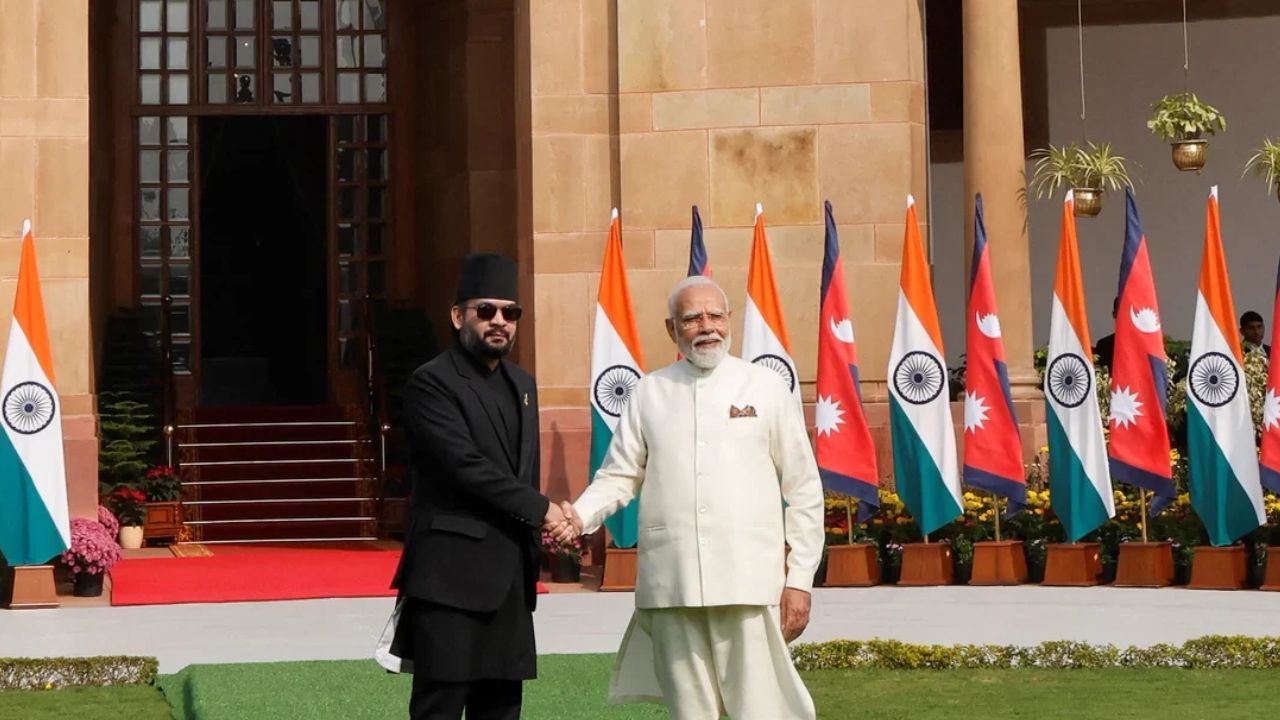
Indian Prime Minister Narendra Modi announced the package Monday after meeting Nepalese Prime Minister Balendra Shah, who visited India Nov. 22-23. The trip marked Shah’s first visit to India since he took office in March. The two governments said they will determine the projects and financing terms through further consultations.
The package totals 240 billion Nepalese rupees, equivalent to 150 billion Indian rupees. It includes 56 billion Nepalese rupees in grants for post-disaster reconstruction and new infrastructure, plus an 184 billion-rupee line of credit for energy projects. The credit is denominated in Indian rupees, and Nepal will need to repay it under terms the governments have yet to finalize.
Nepal’s rebuilding costs exceed the Indian commitment. A government assessment estimated recovery needs at $4.7 billion. Shah told the United Nations in September that those needs equaled about 10% of Nepal’s gross domestic product and called for grant-based international support.
The floods struck on Aug. 26. As of Oct. 5, Nepal’s disaster authority had confirmed 1,455 deaths and listed 5,285 people as missing. The disaster damaged more than a dozen hydropower projects and knocked out about 10% of Nepal’s electricity generation capacity. Nepal halted power exports and turned to India to meet domestic demand.
Modi said India would help families rebuild and strengthen Nepal’s ability to respond to future disasters. Shah thanked India for its emergency assistance and technical support after the floods. India sent relief supplies and helped restore communications in affected mountain areas.
The leaders also advanced projects aimed at improving cross-border transport and energy links. They inaugurated the Sarayu-Kamala Express rail service between Ayodhya and Janakpur, dedicated the second phase of the Motihari-Amlekhgunj petroleum pipeline and laid the foundation stone for the 669-megawatt Lower Arun hydropower project. They also agreed to establish an Indian Institute of Technology campus in Nepal.
Other agreements cover satellite communications, health and medicine, sustainable urban development, academic research, civil-service training, and livestock and fisheries. India also offered Nepal transit access through Gujarat’s Deendayal Port, with access to Paradip in Odisha to follow when infrastructure is ready. The governments agreed to make the Kathmandu-Bhairahawa-Lucknow air route bidirectional.
The visit gives New Delhi a chance to deepen its ties with a neighbor that also borders China. India remains Nepal’s largest trading partner and a major development-assistance provider, while the two countries share an open border and extensive economic and family connections. The new commitments span immediate flood recovery and longer-term projects in energy, transport and trade.
The next test will be implementation. The governments must still settle the financing details and select specific projects before the full package can translate into reconstruction on the ground.