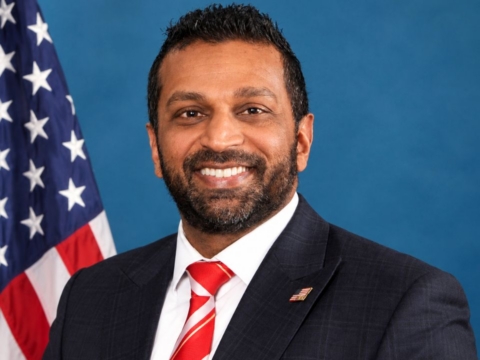
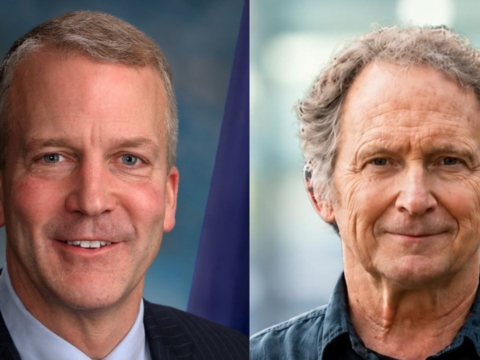
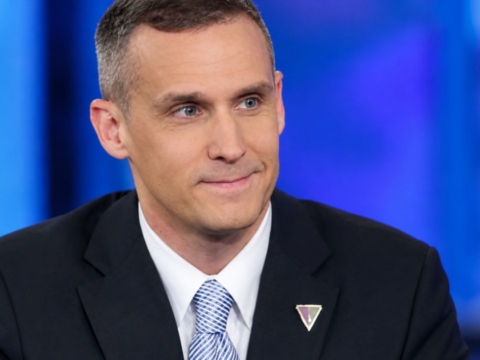
SAN FRANCISCO (Diya TV) — Silicon Valley power brokers are quietly weighing a costly political gamble. A group of billionaires and tech executives is exploring ways to challenge Rep. Ro Khanna after he backed a proposed wealth tax aimed at California’s richest residents. The talks remain informal but intense. They include conference calls, private WhatsApp threads, and early discussions about funding outside political groups. The goal is clear. Some tech leaders want to unseat a lawmaker they once supported but now see as a threat to their wealth.
Khanna represents a district at the heart of Silicon Valley. For years, he balanced close ties to the tech industry with progressive politics aligned with Sen. Bernie Sanders. That approach helped him win strong support from voters and donors alike. Now that balance faces strain.
Khanna has defended a proposed one-time wealth tax that would target California residents worth more than $1 billion. The measure would impose a 5 percent tax on assets over five years. Labor unions hope to place it on the November ballot. Gov. Gavin Newsom opposes it. Khanna says the tax would fund health care and other public programs. Some tech leaders say it would drive jobs and investment out of the state.
Tensions flared after Khanna posted a message mocking billionaires who threatened to leave California over the tax. He quoted President Franklin D. Roosevelt with a sharp edge. “I will miss them very much,” he wrote. The post went viral. It also angered powerful figures in Silicon Valley. Several executives soon began discussing how to respond. According to people familiar with the talks, they started exploring whether a challenger could mount a serious run against Khanna.
Some tech leaders believe they may have found a possible candidate in Ethan Agarwal. Agarwal is a Democrat and a startup founder. He has also run a little-known campaign for governor. Agarwal confirmed he is seriously considering a House bid. He said the wealth tax pushed him toward the race. He warned that the proposal could destroy jobs and opportunities. He accused Khanna of chasing progressive voters for future ambitions. Khanna said he had not heard of Agarwal. He welcomed competition and called it part of democracy.
Other efforts to recruit challengers have failed. Tech leaders approached San Jose Mayor Matt Mahan, who opposes the tax. Mahan declined and said he loves his current job. They also contacted Eric Jones, a Democratic candidate in another district. He showed no interest.
Any challenge faces steep hurdles. Khanna won reelection easily in 2024. He holds nearly $15 million in campaign cash. He also commands strong loyalty from his district’s South Asian community. California’s election system adds another barrier. The top two candidates advance from the primary to a November runoff. A challenger would need to move fast to meet a March 6 filing deadline. Despite the odds, some tech leaders continue to explore outside spending. Those talks include possible super PAC efforts to oppose Khanna.
Many executives now focus on stopping the wealth tax itself. Tech billionaire Ron Conway has helped organize a campaign to defeat the measure. In a confidential email to donors, Conway said a well-funded effort could sway voters. He cited Newsom’s opposition as a key advantage. Conway has already given $100,000 to the campaign.
The conflict may help Khanna with progressive voters. He has framed the backlash as proof that he stands up to billionaires. In a recent fundraising email, he told supporters that wealthy donors threatened to bankroll a challenger. Allies say a prolonged fight could strengthen his image on the left. Khanna once worked as a lawyer for tech companies and enjoyed support from leaders like Sheryl Sandberg and Marc Benioff. His critics now see a shift.
Paul Graham, a Y Combinator co-founder, said Khanna misjudged the response. He called the wealth tax a political land mine. Khanna disagrees. He says California must strike a balance. He wants the tech ecosystem to thrive while asking the wealthiest residents to pay more. For now, that stance has placed him squarely in Silicon Valley’s political crosshairs.