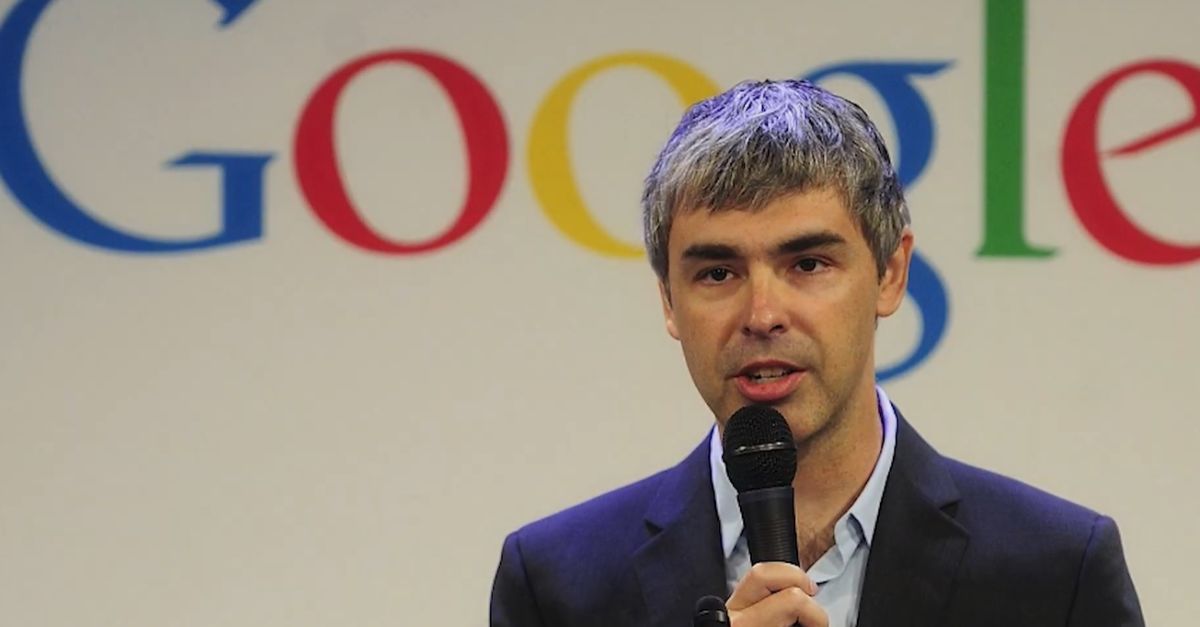
SAN FRANCISCO (Diya TV) — Larry Page, the Google co-founder and one of the world’s richest people, has reportedly left California as debate grows over a proposed wealth tax on billionaires. His move has renewed concerns that high taxes could push top entrepreneurs, capital, and future jobs out of the state.
Page, whose net worth is estimated at $270 billion, has shifted the registrations of several businesses from California to Delaware. These include his family office and companies linked to his flying car projects. According to reports, he has also personally moved out of California ahead of a potential public vote on a new wealth tax.
California lawmakers and labor groups have discussed a one-time 5 percent wealth tax on individuals with assets above $1 billion. Supporters say the measure could help fund healthcare programs. Critics argue it could drive away job creators and investors. The proposed tax could appear on the ballot during the November midterm elections. State law allows voters to decide on new laws if supporters gather enough signatures, even without backing from elected officials.
If approved, the tax would apply retroactively from Jan. 1, 2026. That provision has raised alarm among wealthy residents. To avoid the tax, individuals would need to leave California well before that date. For Page, the cost could reach about $13.5 billion. Reports say this risk played a major role in his decision to relocate.
Filings show that Page moved several entities late last year. These include Koop, his family office, and One Aero, a company tied to his aviation ventures. He also moved Flu Lab, a nonprofit that funds research into flu vaccines. Flu Lab confirmed the move but declined further comment. Page and the other companies could not be reached. Business leaders say such moves send a strong signal. They warn that when founders leave, high-paying jobs and future investment often follow.
Page is not the first tech leader to leave California over tax concerns. Elon Musk moved to Texas in 2020. He cited both taxes and business climate issues. Texas and Florida have since attracted thousands of workers with lower taxes and business-friendly policies.
Other wealthy Californians have explored similar options. Venture capitalist Peter Thiel has reportedly considered leaving the state. Supporters of lower taxes argue that states like Texas and Florida now benefit from California’s losses. They say new offices, research hubs, and advanced manufacturing jobs increasingly land outside the Golden State.
Not all tech leaders oppose a wealth tax. Jensen Huang, the CEO of Nvidia, has taken a different stance. Huang, now among the world’s richest people, said he is comfortable with higher taxes.
He told Bloomberg that he chose to live in Silicon Valley and accepts whatever taxes apply. His comments highlight a divide within the technology sector over taxation and civic duty. California Gov. Gavin Newsom has opposed a wealth tax. The Democratic governor, often mentioned as a possible 2028 presidential contender, has warned about economic risks. Still, the proposal could advance without his support if voters approve it.
California remains the largest U.S. state economy and a global tech hub. Yet critics say the wealth tax debate exposes deeper issues. High housing costs, strict regulations, and rising taxes already challenge businesses.
Economists note that wealthy founders often anchor entire ecosystems. When they move, startups, venture capital, and skilled workers may follow. Over time, this shift could weaken California’s role as a job engine. Supporters of the tax counter that billionaires should pay more to support public services. They argue that social benefits outweigh the risk of departures.
Signature gathering for the ballot measure continues. The outcome remains uncertain. Still, Page’s reported move has intensified scrutiny of California’s tax policies. For now, states like Texas and Florida appear poised to gain. As more entrepreneurs weigh their options, the fight over wealth taxes may shape where the next generation of high-paying jobs is created.