
WASHINGTON (Diya TV) — The Supreme Court delivered a major setback to President Donald Trump’s tariff policy on Friday, ruling that he exceeded his authority by imposing sweeping tariffs on nearly every U.S. trading partner. In a 6-3 decision, the court said the law cited by Trump does not give the president the power to impose tariffs without approval from Congress. The ruling strikes at the heart of Trump’s economic agenda and could reshape U.S. trade policy.
Chief Justice John G. Roberts Jr. wrote the majority opinion. He said the International Emergency Economic Powers Act, known as IEEPA, does not authorize the president to tax imports.
“The law does not authorize the President to impose tariffs,” the majority wrote.
The court stressed that the Constitution gives Congress the power to tax. The justices said Trump’s interpretation of IEEPA would mark a major expansion of presidential authority over trade policy. Before Trump, no president had used IEEPA to impose tariffs of this size or scope, the decision noted.
The International Emergency Economic Powers Act allows the president to regulate certain economic transactions after declaring a national emergency. The law permits action against unusual and extraordinary foreign threats. However, the statute does not mention tariffs. Trump argued that the authority to regulate imports included the power to impose tariffs. The court rejected that claim. Lower courts had already ruled against Trump’s use of IEEPA tariffs. The Supreme Court’s decision affirms those findings.
The ruling could have major financial consequences. The federal government has collected roughly $200 billion in tariffs since early last year. Some estimates place the total even higher. The Penn Wharton Budget Model estimates that up to $175 billion in tariffs could be subject to refunds. The court did not address whether the government must repay importers. Companies have already hired lawyers and filed claims in anticipation of the decision. Many hope to recover the money they paid under the higher tariff rates.
Justice Brett M. Kavanaugh warned that the refund process could become chaotic. He joined Justices Clarence Thomas and Samuel A. Alito Jr. in dissent. Kavanaugh argued that the president should have broad authority in foreign affairs. He predicted the short-term economic impact of the ruling could be substantial.
Trump has made tariffs a central part of his trade policy. Since returning to the White House, he has imposed import duties on nearly every country. He described tariffs as a tool to protect American jobs and generate federal revenue. He also claimed foreign nations bear the cost of tariffs. However, his administration acknowledged that U.S. importers pay the duties.
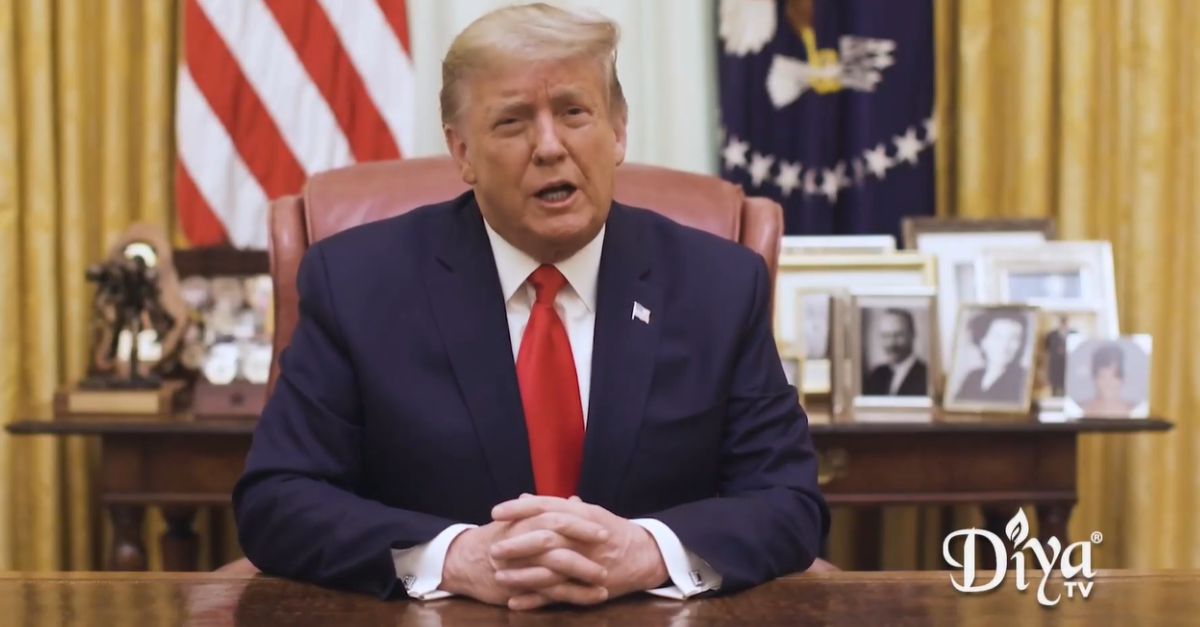
Trump floated plans to replace income taxes with tariff revenue. He also suggested sending $2,000 “tariff dividend” checks to Americans. After the ruling, Trump reportedly called the decision “a disgrace.” He is expected to address the nation about the outcome. The administration had warned that a loss could disrupt trade deals and force the government to unwind agreements.
Lawmakers and industry groups reacted quickly. Rep. Brendan Boyle of Pennsylvania said the ruling protects families from higher prices. Rep. Richard Neal of Massachusetts called it a victory for the rule of law and global economic stability.
Trade groups also welcomed the decision. The Footwear Distributors and Retailers of America said the ruling creates a more predictable business climate. The Distilled Spirits Council urged the administration to pursue zero-tariff agreements with key partners. Canadian Trade Minister Dominic LeBlanc said the decision supports Canada’s view that the tariffs lacked a legal basis.


