WASHINGTON (Diya TV) — The Senate voted 52-48 on Tuesday to end the national emergency that allowed President Donald Trump to impose steep tariffs on Brazil. The bipartisan vote reflected growing unease within the Republican Party over the president’s aggressive trade policies.
A simple majority was enough to pass the resolution. Five Republican senators — Thom Tillis of North Carolina, Rand Paul of Kentucky, Susan Collins of Maine, Lisa Murkowski of Alaska, and Senate Minority Leader Mitch McConnell of Kentucky — joined Democrats to approve the measure.
However, the vote is largely symbolic. The House voted earlier this year to block all legislation challenging Trump’s tariffs until March 2026, preventing the resolution from taking effect.
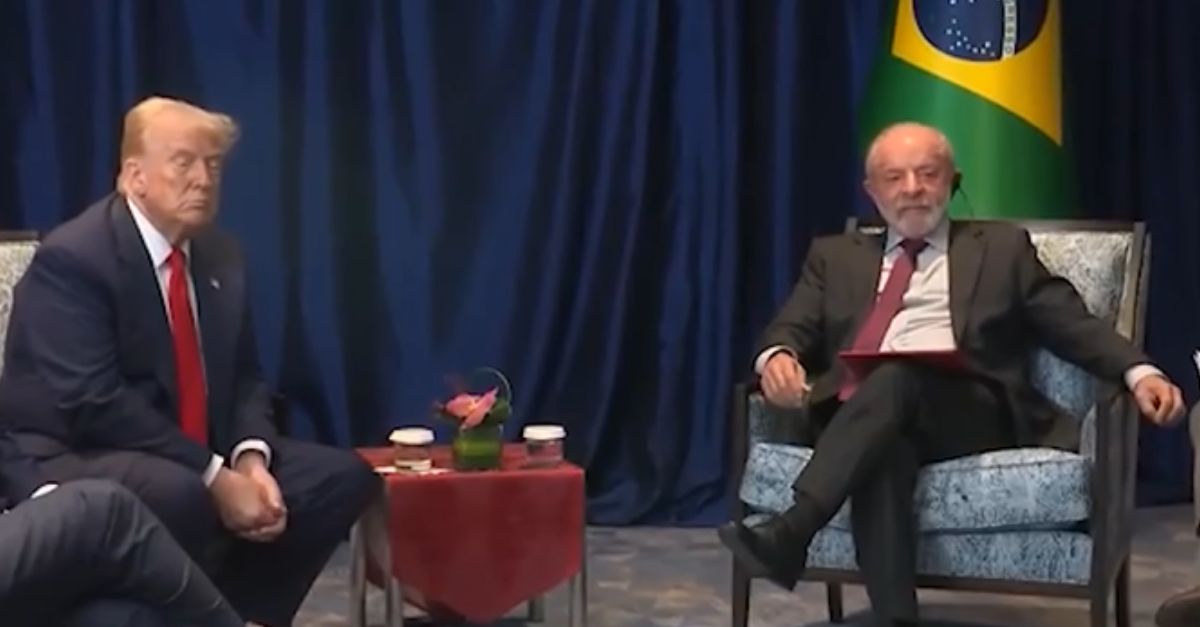
Trump imposed a 50% tariff on all Brazilian goods this summer. The move drew strong criticism from business groups and lawmakers across party lines. Brazil, one of America’s key trading partners, has threatened retaliatory tariffs in response.
The dispute comes as the Trump administration continues to clash with Brazilian officials over the prosecution of former President Jair Bolsonaro. Bolsonaro, a longtime Trump ally, was convicted in 2022 of attempting to hold onto power through military means after losing reelection.
Sen. Tim Kaine, D-Va., said Trump’s emergency declaration lacked any legitimate basis. “The Brazilian decision to prosecute Donald Trump’s friend is not an emergency,” Kaine said. “If that’s an emergency, then anything can be one.”
According to Kaine’s office, the United States imports more than $40 billion in goods from Brazil each year, including nearly $2 billion worth of coffee. Trade between the two countries supports roughly 130,000 American jobs.
Around the same time Trump announced the Brazilian tariffs, he also issued sanctions against a Brazilian Supreme Court justice who helped oversee Bolsonaro’s trial.
Tillis, who voted for the resolution despite supporting some of Trump’s other trade measures earlier this year, said this case crossed a line. “The impetus behind it appears to be a disagreement with a judicial proceeding,” Tillis said. “That’s not a strong basis for using the trade lever.”
He added that such actions create “big uncertainty” for businesses already struggling with global supply issues. “If you start allowing that,” Tillis said, “then it’s no longer about trade or business. It becomes about personal grievances.”
Still, some Republicans defended Trump’s authority. Sen. Mike Crapo of Idaho said the tariffs were part of a broader effort to strengthen U.S. trade deals. “This resolution is counterproductive,” Crapo said on the Senate floor. “It undercuts the progress already made and the new gains the president can achieve in ongoing negotiations.”
The Senate plans to vote later this week on two more resolutions targeting other national emergencies Trump used to justify tariffs on Canada and other countries.
In April, the Senate narrowly passed a resolution to end tariffs on Canadian goods. Another measure to undo all of Trump’s reciprocal tariffs failed 49-49 when two supporters were absent. Under current law, senators can force votes every six months on terminating the emergencies that underpin the tariffs. Kaine has said he plans to continue doing so.
Vice President JD Vance urged Republicans to oppose the resolutions during a private lunch on Tuesday. “The president’s working to get better trade deals, and he’s having real success,” Sen. John Hoeven, R-N.D., said, describing Vance’s message.
Still, Kaine believes more Republicans are ready to break ranks. In April, only four GOP senators — McConnell, Collins, Paul, and Murkowski — voted to end the Canadian tariffs. Kaine said he expects even more to oppose Trump’s Brazil tariffs as frustration grows inside the party.
Trump has defended his broad use of tariffs, saying they protect American workers, correct trade imbalances, and encourage companies to invest in the U.S. manufacturing sector. But critics argue the measures have increased costs for American consumers and strained relationships with key allies.
With Brazil’s response looming, economists warn that escalating tensions could harm U.S. exporters and further slow global trade. As the Senate gears up for more votes, lawmakers on both sides say the coming weeks will test the limits of presidential power in shaping U.S. trade policy.