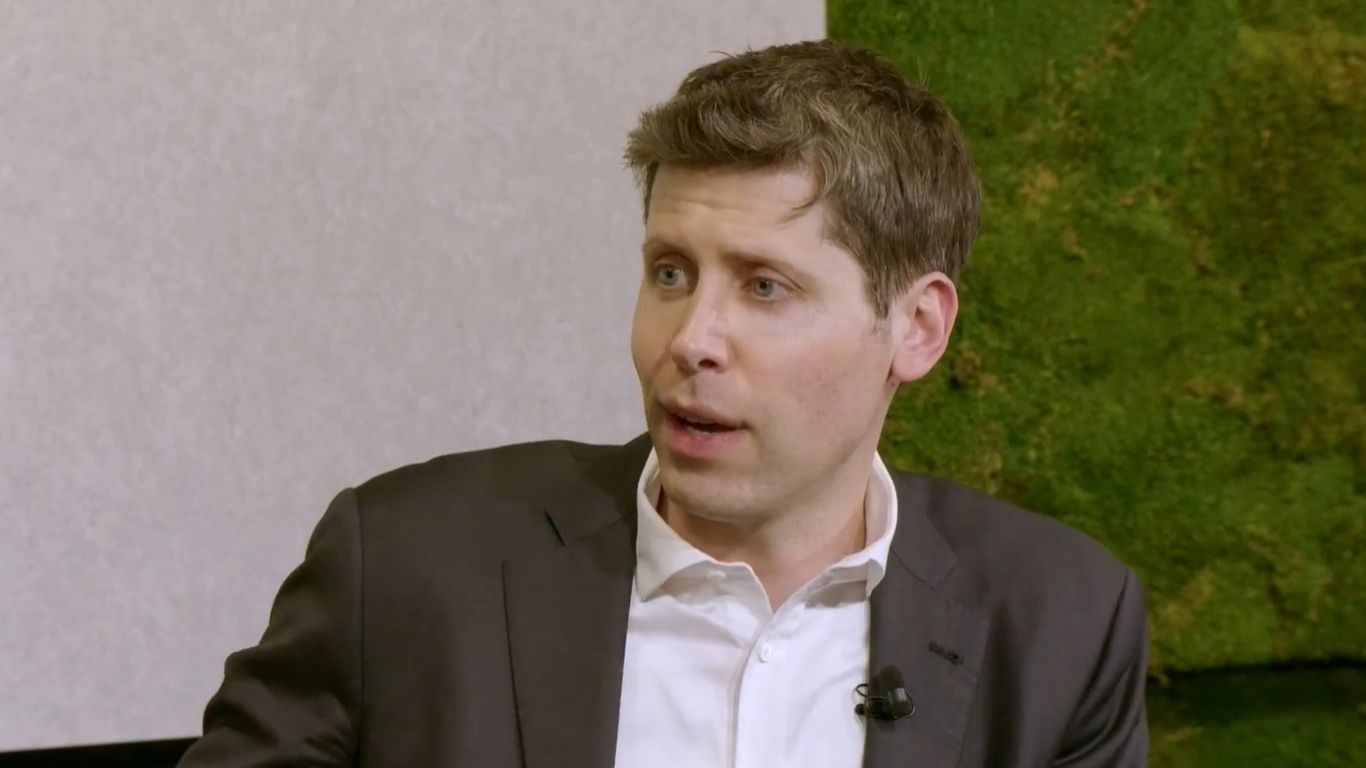
WASHINGTON (Diya TV) — OpenAI CEO Sam Altman has revived a long-running idea that could give Americans a direct share in the wealth created by artificial intelligence. A recent report said Altman is discussing a plan with President Donald Trump that would give the U.S. government a 5% stake in OpenAI.
The proposal has renewed debate about who should benefit from the rapid rise of AI. Supporters say Americans deserve a share because AI systems rely on human-created content. Others believe such a plan could help ease concerns about job losses as AI becomes more common in daily life. However, critics question whether the idea can become a real policy.
The reported proposal is not new. Altman first shared a broader version in 2021. At that time, he suggested that large companies contribute part of their value to a national fund. The fund would then send regular payments to Americans. Earlier this year, OpenAI introduced a narrower proposal that focused on AI-related wealth instead of all major companies.
Meanwhile, the idea has also gained attention from lawmakers. Sen. Bernie Sanders has proposed giving Americans a much larger ownership stake in leading AI companies. Although the approaches differ, both plans focus on sharing the financial gains created by artificial intelligence.
Supporters argue that AI companies build powerful systems by learning from books, artwork, movies, and other material created by people. Many creators have raised concerns because AI firms often use publicly available content without direct payment. As a result, some believe an equity program could provide a form of compensation while also recognizing the value of human creativity.
In addition, many Americans remain worried about AI’s effect on jobs. Some experts expect AI to increase productivity and create new industries. Others warn that automation could replace many existing roles. Because of those fears, supporters believe future payments from AI-related investments could offer financial support if workers face economic disruption.
The value of the proposed government stake could be significant. OpenAI reached an estimated valuation of about $852 billion after its funding round in March. Based on that figure, a 5% stake would equal roughly $42.6 billion. If the government divided that amount equally among about 133 million U.S. households today, each household would receive about $320 in equity.
However, many analysts believe a direct payment is unlikely. Instead, the government could hold the shares in a public investment fund. Over time, the fund could grow if OpenAI and other AI companies continue to increase in value. Later, officials could distribute part of the investment returns to Americans through annual payments. Still, those future gains depend on whether AI companies achieve consistent profits.
OpenAI has not yet reached that stage. The company continues to spend heavily on advanced computing systems and data centers while expanding its AI products. Reports also suggest OpenAI plans to delay an initial public offering until it reaches a $1 trillion valuation.
The proposal may also offer political benefits. Public trust in AI companies remains mixed. Surveys have shown that many Americans worry about how companies develop and use AI. Others oppose the construction of new data centers near their communities. Therefore, supporters believe a public ownership plan could improve confidence by giving citizens a direct financial interest in AI’s success.
At the same time, strong relationships with Washington remain important for technology companies. Federal decisions can affect regulations, government partnerships, and competition with foreign rivals. Because of that, maintaining support from policymakers could help AI companies navigate future challenges.
Even so, the proposal remains largely theoretical. Altman has discussed versions of the idea for several years. Despite renewed attention, no detailed government plan has emerged. Likewise, broader proposals calling for larger public ownership face major political hurdles.
Still, the discussion highlights a larger question about the future of artificial intelligence. Altman has compared his idea to Alaska’s Permanent Fund, which shares oil-related wealth with state residents. That comparison suggests AI could become a national resource that creates long-term economic value.