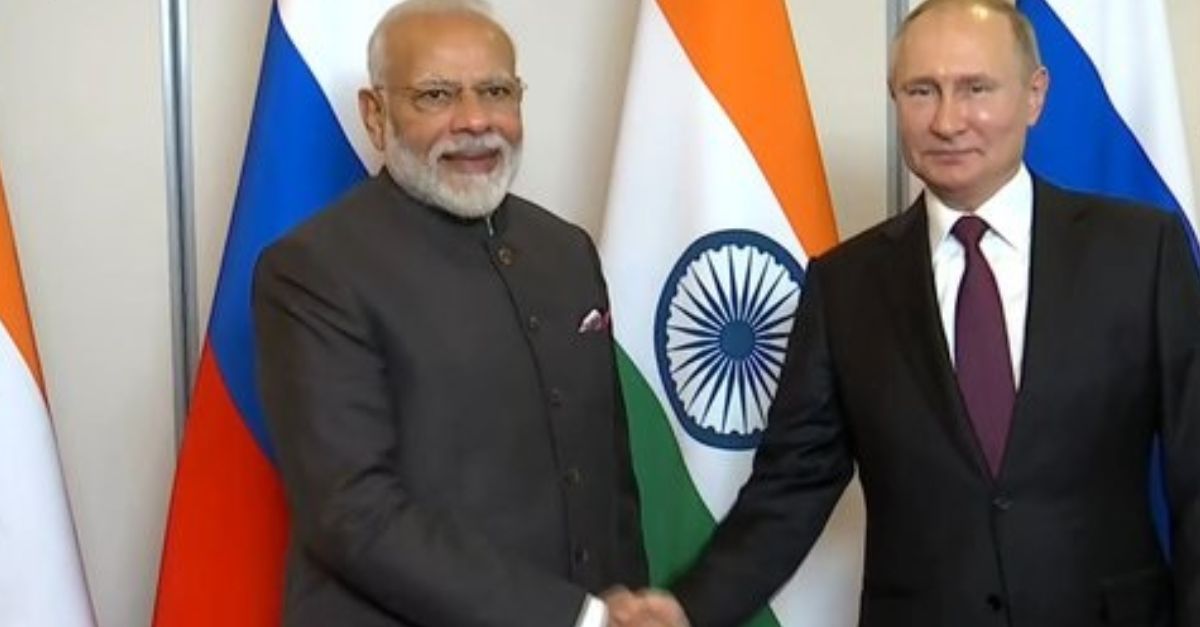
NEW DELHI (Diya TV) — India’s imports of Russian crude oil climbed to 2 million barrels per day in August, reinforcing Moscow’s position as New Delhi’s top energy supplier despite geopolitical tensions and narrowing discounts.
Data from Kpler, a global real-time analytics provider, showed that Russian oil accounted for 38% of India’s total crude imports during the first half of August. India imported an estimated 5.2 million barrels per day overall. The latest figures mark an increase from 1.6 million barrels per day in July.
The rise in Russian flows came at the expense of supplies from Iraq and Saudi Arabia. Imports from Iraq dropped to 730,000 barrels per day in August. Saudi supplies fell to 526,000 barrels per day, compared with 700,000 in July. The United States ranked as India’s fifth-largest supplier at 264,000 barrels per day.
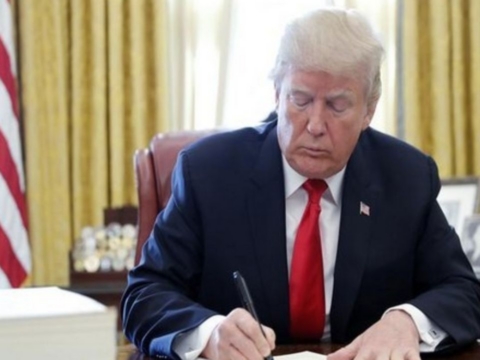
The surge in Russian oil shipments coincides with President Donald Trump’s decision in late July to impose an additional 25% tariff on U.S. imports from India. The move doubled the overall duty to 50% in response to India’s continued purchases of Russian crude.
Sumit Ritolia, lead research analyst at Kpler, said August deliveries reflect deals made weeks earlier. “Cargoes were locked in during June and early July, before the policy announcement,” he said. “Any real change in flows will become visible from late September or October.”
Despite U.S. pressure, Indian refiners say they have not received any government order to cut back on Russian crude. “Neither are we being told to buy nor told not to buy,” said Arvinder Singh Sahney, chairman of Indian Oil Corporation (IOC). “We are doing business as usual.”
Russian oil made up about 22% of IOC’s refining basket in the April-June quarter, and Sahney said volumes are expected to remain steady.
Bharat Petroleum Corporation Ltd. (BPCL) also noted changes in pricing. Director of Finance Vetsa Ramakrishna Gupta told investors that imports from Russia declined in July as discounts narrowed to $1.5 per barrel.
Gupta said BPCL plans to keep 30% to 35% of its crude purchases tied to Russian barrels for the rest of the year, provided no new sanctions are imposed.
Before the war in Ukraine, Russian oil made up less than 0.2% of India’s imports. Today, it accounts for 35% to 40%. Discounts, once as high as $40 per barrel, have dropped sharply. This month, they have risen slightly, averaging more than $2 per barrel.
Indian refiners are also looking beyond Russia. Ritolia said there is growing interest in crude from the United States, West Africa, and Latin America. He noted the shift is not about replacing Russian barrels but about reducing risk.
“Crude buying is a continuous, complex process,” Ritolia said. “Refiners still need 60% to 65% of their crude from non-Russian suppliers. The mix has not suddenly changed. What we are seeing is flexibility, not a pivot.”
Analysts say the diversification strategy is about energy security as much as economics. By securing multiple sources, refiners hope to shield themselves from disruptions in shipping, payments, or new sanctions.
For now, Russian flows remain a central part of India’s oil imports. Refiners say the government has not interfered with their sourcing decisions. “Such purchases will continue unless sanctions are imposed,” Sahney said.
India, the world’s third-largest oil importer, faces the challenge of balancing affordable energy with growing political pressure from the West. With discounts narrowing and trade tensions rising, refiners may adjust their buying strategies in the coming months. But for now, Russian crude remains at the heart of India’s energy security plan.