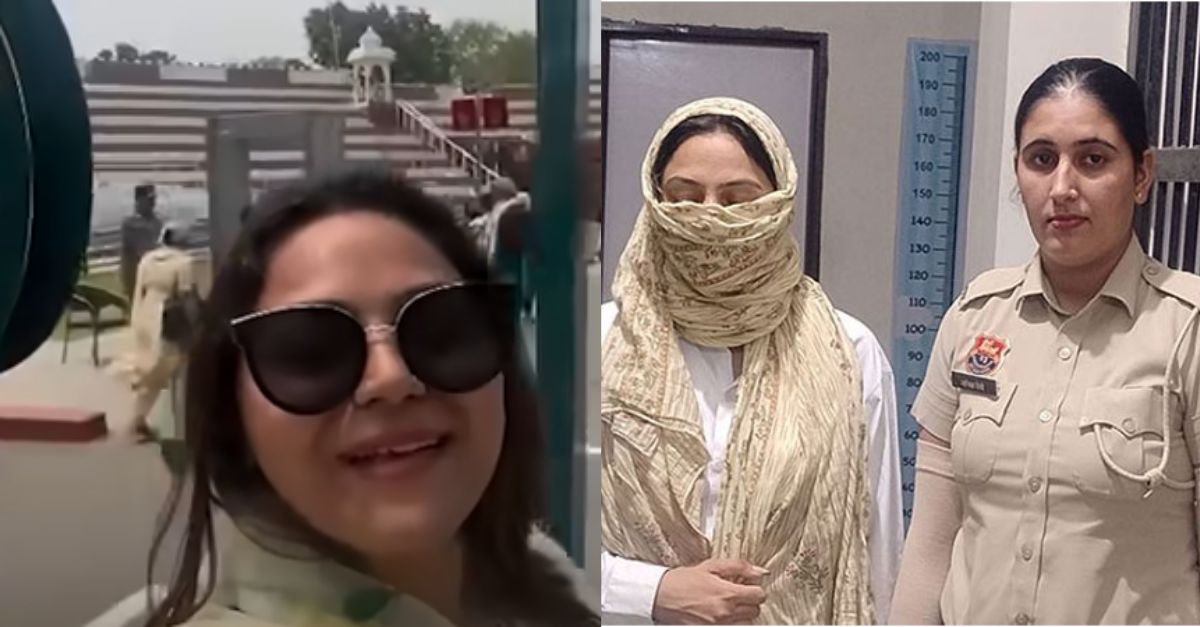
HISAR, India (Diya TV) — Police in Haryana have filed a 2,500-page chargesheet against YouTuber Jyoti Malhotra, accusing her of spying for Pakistan. Officials said the investigation lasted three months and revealed “concrete evidence” that she had shared sensitive details with contacts across the border.
Malhotra, also known as Jyoti Rani, was arrested in May in Hisar. She ran a YouTube travel channel called Travel With Jo. Police said she had been in close touch with Pakistan High Commission staff in New Delhi, including Ehsan-ur-Rahim, also known as Danish.
Authorities alleged that Malhotra met Rahim several times and passed on details about India’s defense activities. They also said she maintained contact with other Inter-Services Intelligence (ISI) operatives, including Shakir, Hasan Ali, and Nasir Dhillon.
Rahim himself was expelled from India last year. After the Pahalgam terror attack and Operation Sindoor, the Indian government declared him persona non grata and asked him to leave the country within 24 hours for espionage.
Investigators detailed Malhotra’s frequent travel abroad in the chargesheet. According to police, she visited Pakistan on April 17 last year and stayed for nearly a month, returning on May 15. Less than four weeks later, she flew to China on June 10 and remained there until July. Soon after, she traveled to Nepal.
Police sources said her movements raised suspicion, especially since her visits came at a time of heightened tension in the region.
The chargesheet also cites Malhotra’s meeting with prominent figures in Pakistan. During one trip via the Kartarpur Corridor, she interviewed Maryam Nawaz Sharif, the daughter of former Prime Minister Nawaz Sharif and current chief minister of Pakistan’s Punjab. Officials said this meeting strengthened suspicions about her links with influential circles across the border.
“During the investigation, we have found concrete evidence that the YouTuber was spying for Pakistan,” a senior source in Hisar Police said. Officers claimed her communications with Pakistan-based handlers showed a long-term exchange of sensitive material.
A Haryana police officer had earlier confirmed that Malhotra was in contact with a High Commission officer during the four-day conflict between India and Pakistan after the Pahalgam attack. However, the officer added that she did not appear to have direct access to classified details of military operations.
The filing of the chargesheet marks a major development in India’s counter-espionage efforts. The 2,500-page document includes witness statements, digital evidence, and detailed accounts of Malhotra’s communications with suspected ISI operatives.
Officials said the case highlights the growing risk of foreign intelligence agencies using social media influencers and digital creators to gather information. Malhotra’s YouTube channel, which portrayed itself as a simple travel blog, gave her opportunities to move across borders and establish contacts.
The case has drawn wide attention because of its mix of espionage, social media influence, and cross-border politics. Analysts said it underlines how India’s security agencies face evolving threats that extend beyond traditional spying.
The Hisar Police investigation suggests that digital platforms can be used to mask deeper agendas. With growing concerns about information leaks and foreign interference, authorities are under pressure to tighten monitoring of cross-border contacts.
The court will now examine the chargesheet. If proven guilty, Malhotra could face serious punishment under India’s laws on espionage and national security. For now, she remains in custody as the judicial process moves forward.
The case of Jyoti Malhotra is being closely watched not just in Haryana but across India. It raises questions about how social media personalities and cross-border exchanges can be exploited for intelligence purposes.
As India continues to respond to security threats from Pakistan, this case could set a precedent for how digital-age espionage cases are handled in the future.