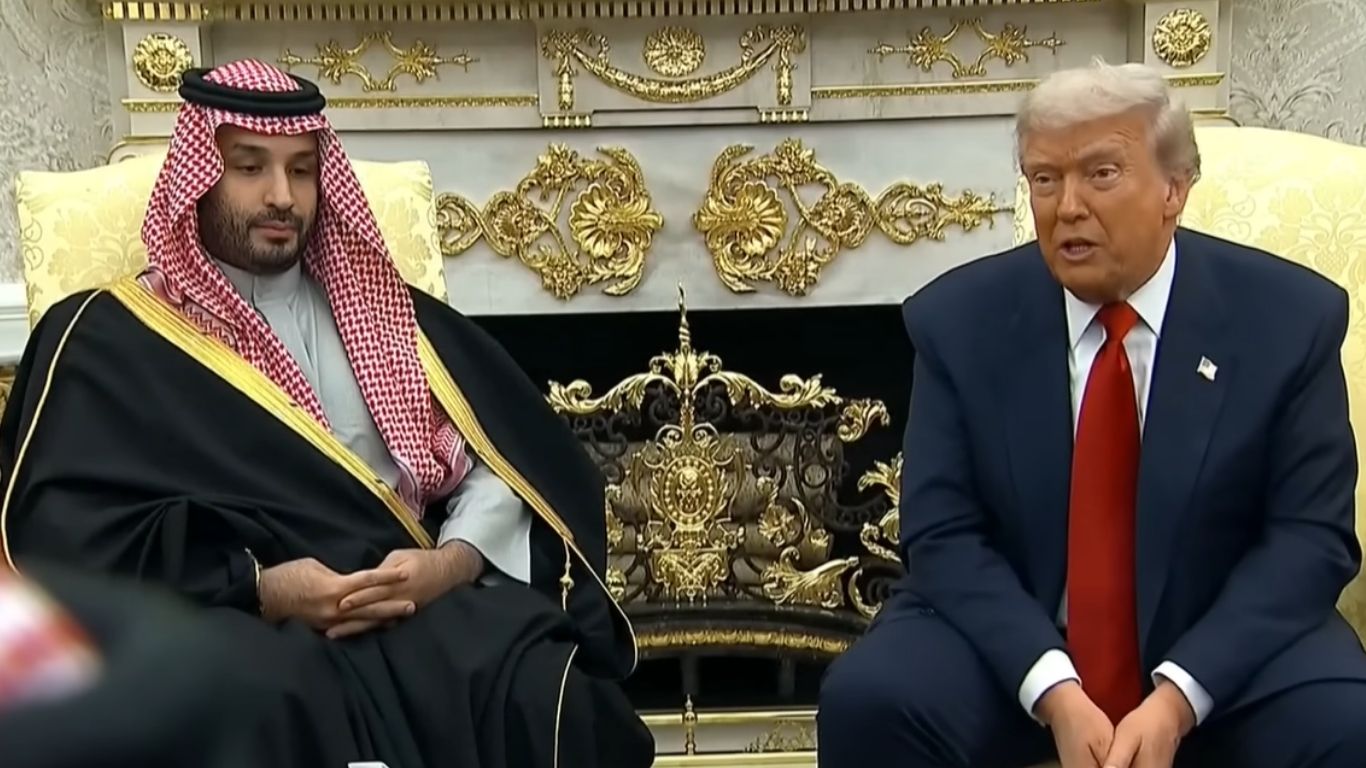
WASHINGTON (Diya TV) — Donald Trump is facing growing pressure from Mohammed bin Salman to continue the war against Iran, according to people familiar with recent conversations between the two leaders. The reported push comes as the conflict raises fears of a wider crisis in the Middle East and sharp disruption to global oil markets.
People briefed on the discussions said the Saudi crown prince told Trump the current military campaign presents a “historic opportunity” to weaken Iran’s hard-line government. He reportedly argued that ending the war too early would allow Iran to remain a long-term threat to the Gulf region. The push places Saudi Arabia in a complex position. The kingdom wants security from Iranian attacks. At the same time, it fears a prolonged war could damage its economy and oil industry.
Officials said the crown prince has even suggested stronger military actions, including attacks on Iranian energy infrastructure. The aim, according to those briefed, would be to pressure the government in Tehran and reduce its ability to strike neighboring countries.
Trump has sent mixed signals in public. At times, he has suggested the war could end soon. At other moments, he has hinted at an escalation. In a recent social media post, Trump said the United States had held “productive conversations” with Iran about ending the conflict. Iranian officials quickly denied that negotiations were underway.
The White House declined to comment on private talks between the president and foreign leaders. However, officials in Washington said Trump has expressed concerns about the rising price of oil and the economic impact of the war. The conflict has already affected global energy markets. Iranian missile and drone strikes have hit oil facilities in Saudi Arabia. The attacks have caused major disruptions and raised fears of a wider energy crisis.
Benjamin Netanyahu also views Iran as a long-term threat. However, analysts say Israel and Saudi Arabia do not see the risks in the same way.
Israeli officials may view a weakened or unstable Iran as a strategic victory. Saudi leaders, by contrast, fear that a failed Iranian state could create chaos close to their borders. They worry that militias or military factions could continue attacking Saudi oil sites even if the government collapses. The war has already affected one of the world’s most important shipping routes. Much of the region’s oil passes through the Strait of Hormuz. Iranian attacks and rising tensions have slowed traffic through the strait and increased costs for oil exporters.
The war also comes at a difficult time for Saudi Arabia’s economy. The country is investing billions of dollars in development projects as part of its long-term economic plan. A prolonged conflict could scare away investors and hurt tourism. Officials said Iranian attacks have already struck oil fields, refineries, and even foreign diplomatic facilities in the kingdom. The country has relied heavily on missile defense systems to stop incoming attacks, but supplies of interceptors remain limited worldwide.
Analysts say Saudi leaders may want the war to end, but only if it reduces Iran’s ability to launch attacks. If the conflict ends without major changes in Iran, they fear future strikes could continue for years.
Some U.S. officials worry that the conflict could turn into a long and costly war. They fear the United States could become deeply involved while regional tensions continue to rise. Experts also say the economic impact could grow if the conflict spreads. Oil prices have already climbed because of supply disruptions. A prolonged war could push prices even higher and slow global economic growth.