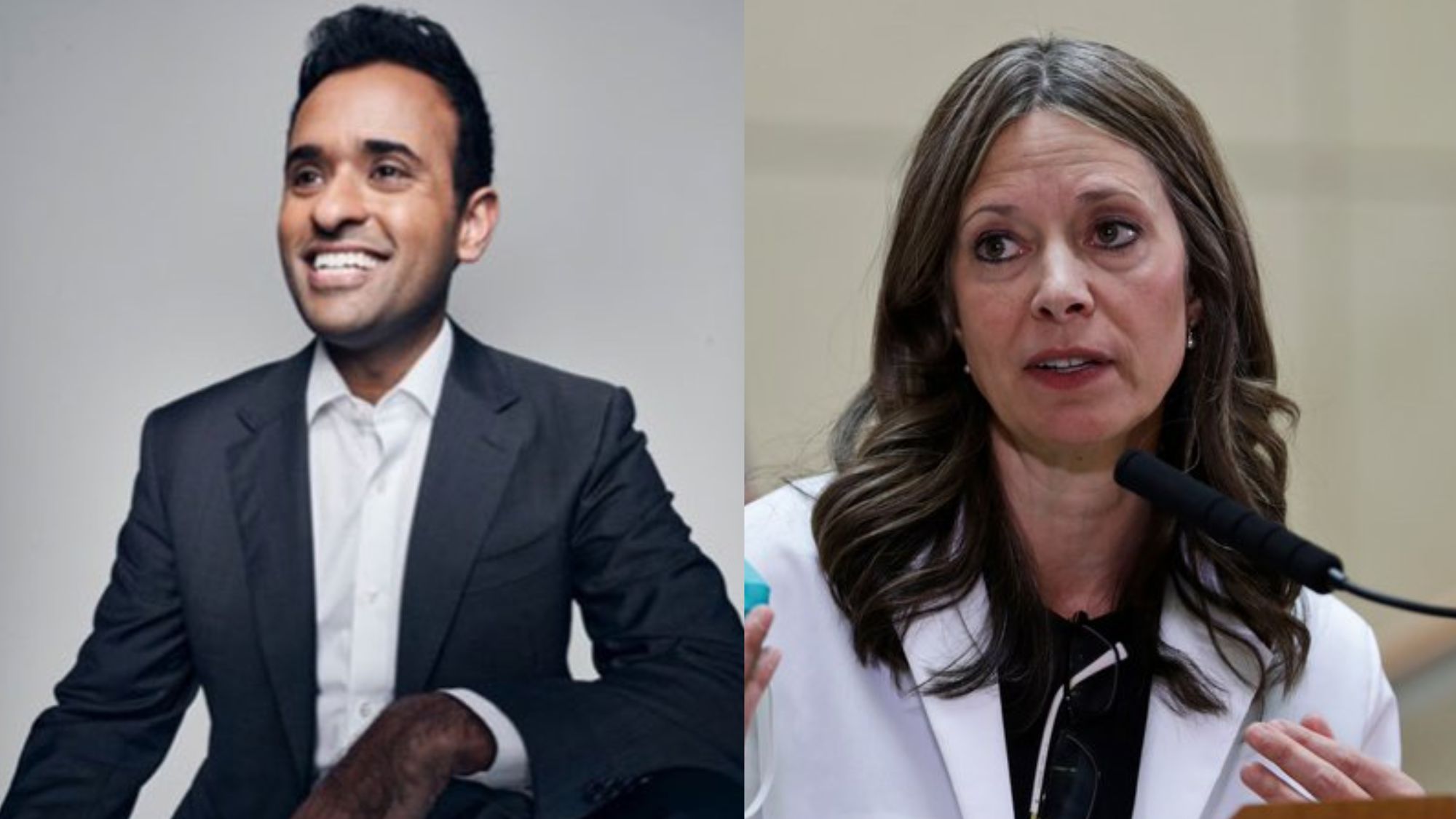
CINCINNATI, Ohio (Diya TV) — Despite a record-setting effort, Democratic candidate Amy Acton is trailing far behind Republican rival Vivek Ramaswamy in fundraising for the 2026 Ohio governor’s race. Acton’s campaign announced on July 30 that it had raised $1.35 million so far. The campaign highlighted support from more than 17,000 individual donors. About 90% of the nearly 33,000 total donations were $50 or less.
Campaign manager Philip Stein said Acton is proud of the support. “These small-dollar donations reflect strong grassroots energy across all 88 counties,” Stein said. “We’re excited to continue bringing Ohioans together.”
The $1.35 million raised marks a fundraising record for a Democratic challenger at this stage in an Ohio gubernatorial race. Acton, a former state health director, launched her campaign with a focus on unity, healthcare, and rebuilding trust in government. Her campaign has leaned heavily on grassroots support. By emphasizing small-dollar contributions, Acton is positioning herself as a candidate for everyday Ohioans.
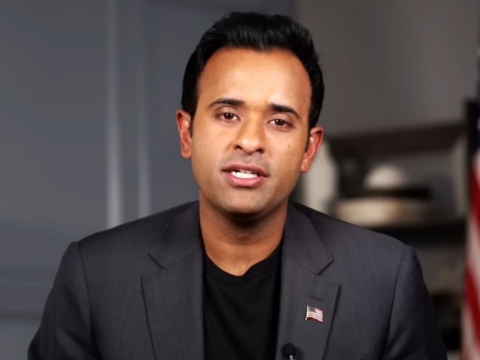
Stein called the campaign “people-powered” and said the funding shows “real momentum” heading into the fall. The campaign has also focused on organizing volunteers and building infrastructure in both rural and urban areas. Meanwhile, Republican candidate Vivek Ramaswamy is far outpacing Acton in total funds. His campaign reported $9.7 million in contributions—more than seven times what Acton has raised.
A news release from his campaign called the figure a “record-breaking” haul. Ramaswamy, a biotech entrepreneur and political newcomer, has used his national profile to boost support in Ohio. His campaign says the fundraising total “shattered all previous records” for the year before a general election in the state.
Jai Chabria, a senior strategist for Ramaswamy, dismissed Acton’s fundraising. “It’s cute,” he said in a statement. He added that the campaign is focused on keeping Ohio “on a path of growth and freedom.”
Ramaswamy’s war chest includes support from major Republican donors, along with personal funds. His wealth has allowed him to quickly scale campaign operations, including television ads and digital outreach across the state. The sharp gap in campaign finances highlights the different approaches of the two candidates. Acton’s campaign relies on small donors and grassroots organizing.
Ramaswamy’s campaign leans on high-dollar donors and personal contributions. Acton’s team has criticized Ramaswamy for what it calls a “billionaire-backed” campaign. “He’s relying on personal wealth and billionaire donors,” the campaign said in a statement. “Ohio deserves a leader who listens to people, not just the wealthy elite.”
Ramaswamy’s team has not denied using personal funds. Instead, they argue that it shows his commitment to the race and his ability to compete against political insiders. The large fundraising lead gives Ramaswamy a strong early advantage. With more funds, his campaign can reach more voters and shape the narrative ahead of the 2026 election.
Still, Acton’s team believes their grassroots base will grow stronger over time. They say small donations show real voter enthusiasm and engagement. “We’re building a movement, not just a campaign,” Stein said. Ohio is considered a key battleground state, and the governor’s race is expected to draw national attention. The 2026 election could help define the political direction of the state for years to come.