COLUMBUS, Ohio (Diya TV) — Ohio’s three major gubernatorial candidates want to slow the state’s fast-growing data center industry. However, each candidate has a different plan for managing new projects.
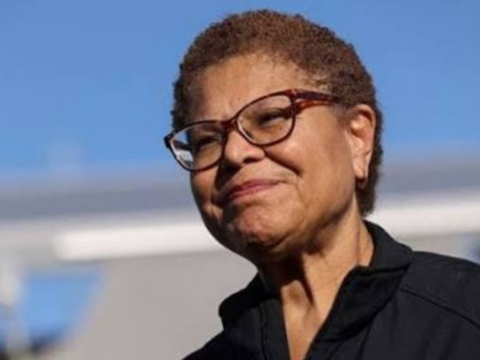
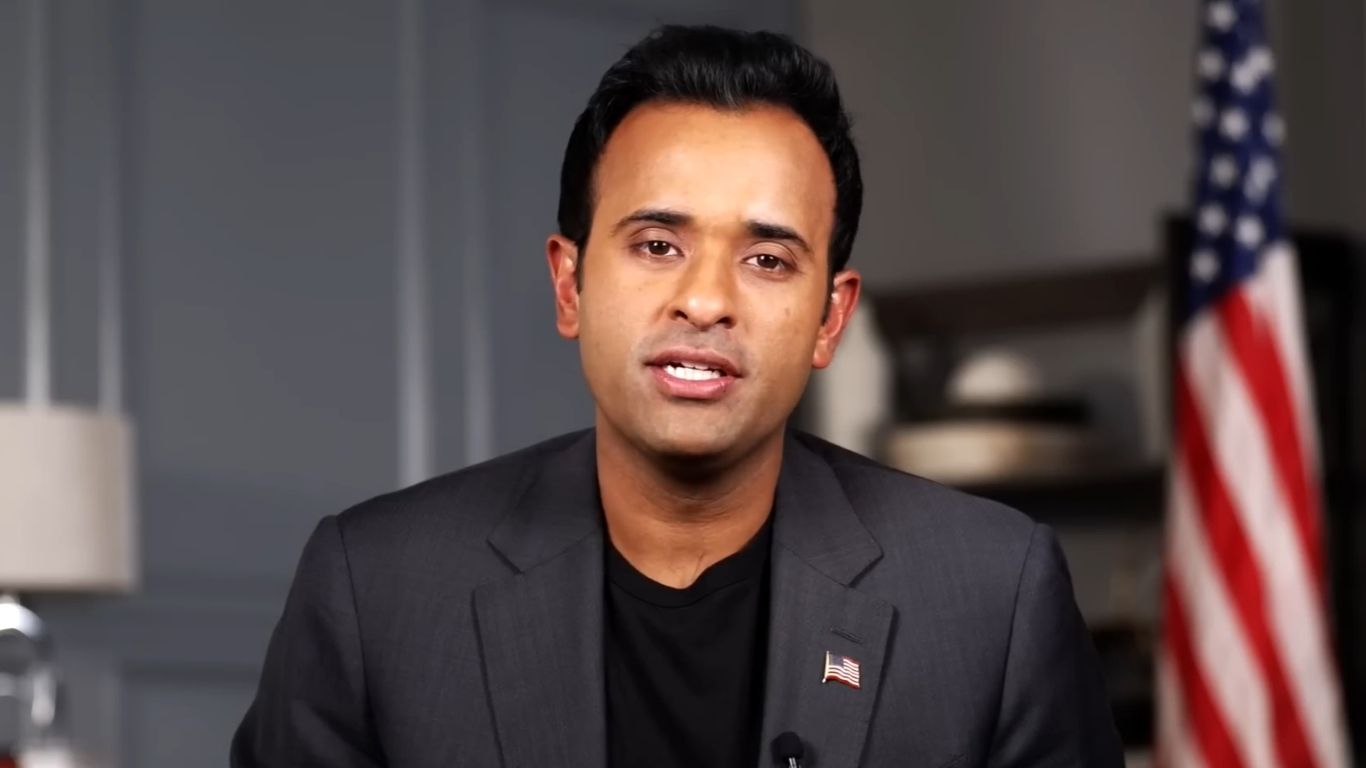
Democrat Amy Acton, Republican Vivek Ramaswamy and Libertarian Don Kissick have each proposed some form of moratorium. They want new data centers to meet specific rules before construction can move forward.
The proposals come as Ohio faces growing concerns about electricity use, water consumption, farmland and taxpayer-funded incentives.
Ramaswamy wants Ohio to keep attracting data centers while placing stricter conditions on new projects. He has argued that a total ban could hurt the state’s economy.
However, his latest plan would stop new data center approvals until companies meet several requirements.
Under his proposal, data center operators would pay the electric bills for the communities where they operate. They would also pay full property taxes. Ramaswamy said the added revenue could help reduce costs for local homeowners.
In addition, his plan calls for strict environmental standards. It would also favor brownfield sites and previously developed land over farmland.
Ramaswamy said Ohio could become a national model for handling the data center boom. He also said he would sign an executive order on his first day as governor to halt new approvals until lawmakers pass his proposed rules.
Acton also supports a conditional moratorium. She said Ohio should welcome investment, but companies must meet clear requirements.
Under Acton’s proposal, data center companies would cover all costs tied to their projects. They would also have to protect the environment and provide detailed information about their plans.
Furthermore, Acton wants local communities to have a stronger voice in approving projects. She would require community benefit agreements so residents receive direct benefits from new facilities.
Acton also wants data centers to use brownfields and other developed industrial sites instead of farmland. She would require construction jobs to go to union workers.
Tax incentives remain another concern. State tax breaks for data centers have reached about $1.6 billion, according to the report. Acton wants to limit those incentives and add clawback rules to protect taxpayers.
However, she questioned Ramaswamy’s proposal to provide free electricity to nearby residents. Acton said the plan may not work financially or logistically.
Ohio Gov. Mike DeWine said he welcomes the candidates’ focus on data centers. He said the candidates share many basic goals, even though their approaches differ.
DeWine has shown interest in Ramaswamy’s electricity proposal. He also urged local governments to set stronger conditions for data center projects.
At the same time, DeWine warned against blocking the industry entirely. He said Ohio needs to balance economic growth with community concerns.
Kissick takes the strongest position against new data centers. He said Ohio should stop the current land rush until lawmakers create permanent statewide standards.
His proposal would ban non-disclosure agreements for data center projects. It would also eliminate special tax incentives for developers.
Moreover, Kissick wants data centers to generate their own power. He would require facilities to use closed-loop cooling systems to reduce water consumption.
Kissick also opposes the use of eminent domain for data center development. His position follows concerns from Ohio farmers who fear developers could gain access to private land before owners receive payment.
Meanwhile, Ohio lawmakers have struggled to pass new data center regulations. House Bill 646 sought to limit sales tax exemptions for large projects. The bill also addressed water conservation and monitoring requirements.
Another provision would create a separate electric rate class for data centers. The goal would be to ensure companies cover the costs of electricity generation, transmission and distribution.
Still, lawmakers did not finish the legislation. As a result, the next governor will need legislative support to implement any major data center policy.
The 2026 Ohio governor’s race could therefore shape how the state handles its growing technology industry. While the candidates disagree on the details, all three now support stricter rules for data center development.