NEW YORK (Diya TV) — Apple has made a major shift in its global manufacturing strategy. According to CEO Tim Cook, the majority of iPhones sold in the United States during the second quarter of 2025 were manufactured in India. This change comes despite criticism from President Donald Trump over Apple’s decision to move production out of China.
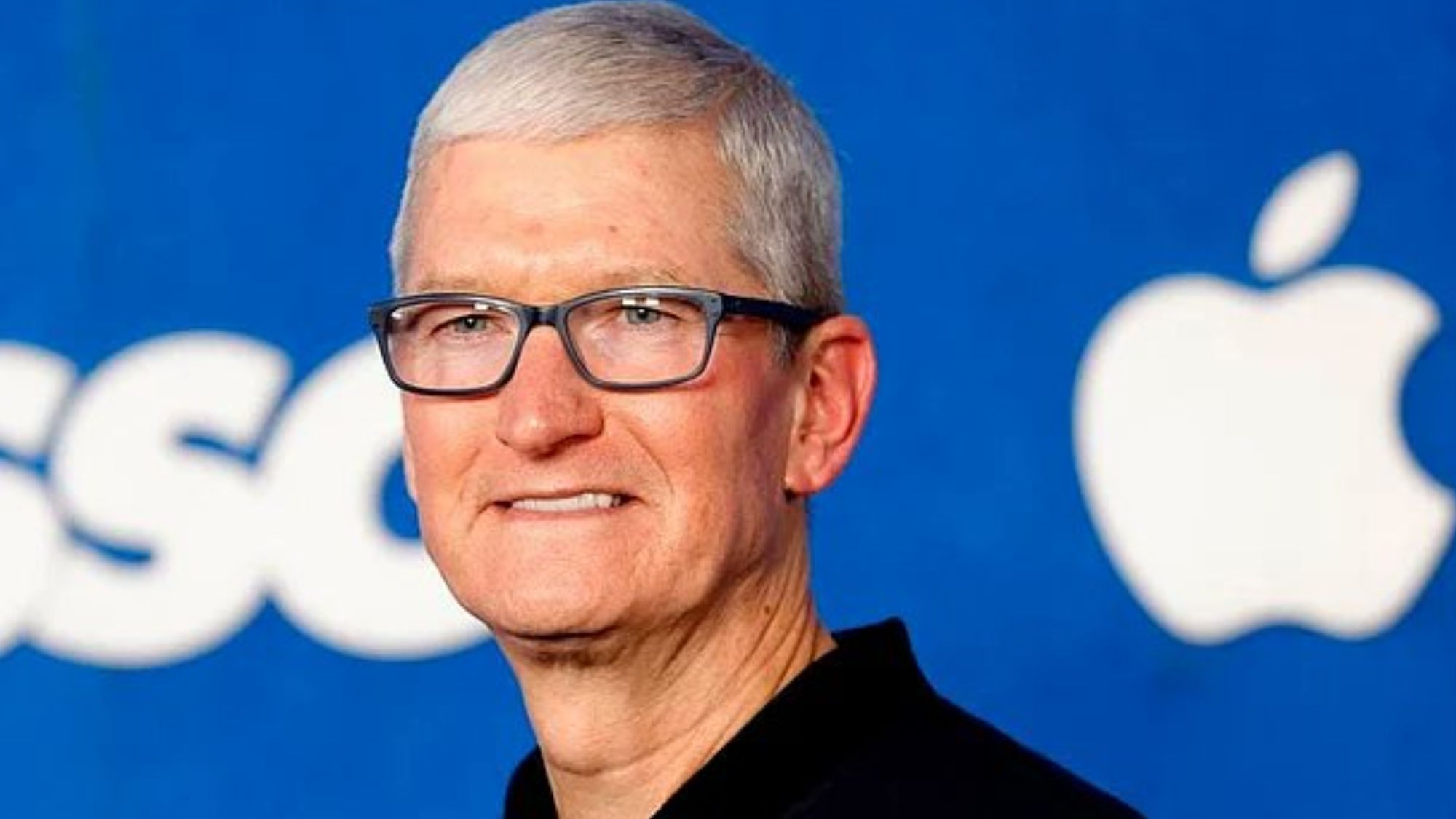
During Apple’s quarterly earnings call on July 31, Cook confirmed that India is now the main production base for iPhones sold in the U.S. He said the majority of iPhones sold in America are manufactured in India, not China. Cook emphasized there has been no change since last quarter regarding the country of origin for iPhones sold in the U.S.
This development marks a major milestone in Apple’s global supply chain. The company is gradually reducing its dependence on Chinese factories, especially for devices intended for the American market. While China remains a key player, it is now focusing more on non-U.S. regions.
Apple’s move aligns with India’s “Make in India” initiative. This government-led program encourages local manufacturing to support both domestic and global markets. As India ramps up its production capabilities, it has attracted major tech companies like Apple and Samsung to expand their operations in the country.
While India takes the lead in iPhone manufacturing, Apple is also relying more on Vietnam for other products. MacBooks, iPads, and Apple Watches are now primarily made in Vietnam for the U.S. market. Cook noted that most devices shipped to international markets are still made in China.
This restructuring gives Apple more flexibility and helps the company reduce risks linked to global trade tensions and supply chain disruptions.
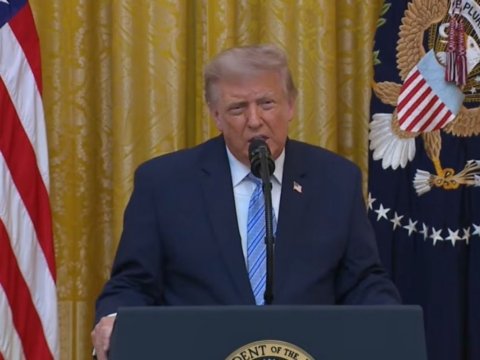
President Trump has strongly opposed Apple’s decision to expand production in India. Speaking during a visit to Doha in May, Trump expressed dissatisfaction with Apple’s growing presence in India. “I had a little problem with Tim Cook… I said to him, my friend, I am treating you very good… but now I hear you are building all over India. I don’t want you building in India,” Trump stated.
Last week, Trump announced a 25% tariff on imports from India. Although smartphones and other electronics are currently exempt, experts warn that future tariff changes could target tech devices as well.
Despite political pressure, Apple is doubling down on its investment in India. Cook highlighted record iPhone sales and strong revenue growth in the country. “We saw iPhone growth in every geographic segment and double-digit growth in emerging markets, including India, the Middle East, South Asia, and Brazil,” Cook said.
India was one of over two dozen countries where Apple achieved record revenues in the June quarter. The company also plans to open more Apple Stores in India as it continues to build its retail presence.
Apple reported a 10% increase in quarterly revenue, reaching $94 billion. However, Cook acknowledged the impact of global tariffs on the company’s costs. He said Apple faced about $800 million in tariff-related expenses in the June quarter. For the September quarter, that figure may rise to $1.1 billion if trade policies remain unchanged.
Cook warned that these numbers could increase if governments introduce new tariffs or adjust existing ones.
India has now become the largest exporter of smartphones to the U.S., according to fresh market data from Canalys. In the quarter ending June, India accounted for 44% of total smartphone shipments to the U.S. This marks the first time India has led the chart, with Vietnam in second place and China slipping to just 25%, down from over 60% a year ago.
This shift in global smartphone production highlights India’s rising importance in tech manufacturing. It also signals a long-term trend of companies diversifying their supply chains beyond China.
Apple’s production pivot reflects a broader strategy to reduce geopolitical risks and take advantage of emerging markets. As India continues to strengthen its supply chain and attract more global investments, it is set to play an even larger role in Apple’s future.
Despite resistance from political leaders like Trump, Apple’s focus on India seems unlikely to slow down. With growing demand, rising exports, and record-breaking revenue, India is not just a factory hub for Apple—it’s a key growth market.