WASHINGTON (Diya TV) — A major data leak has exposed the membership and inner workings of Dialog, a secretive invite-only society founded by billionaire investor Peter Thiel. The breach revealed the identities of influential political leaders, military officials, technology executives, and business figures who have participated in the group’s private events for nearly two decades.
The leaked records, first uncovered by Swiss hacktivist Maia Arson Criminew and later verified by WIRED, included membership directories, registration information for Dialog’s planned 2026 retreat in Ireland, and personal data that members believed would remain confidential.
The disclosure offers an unprecedented look inside one of the world’s most exclusive private networks.
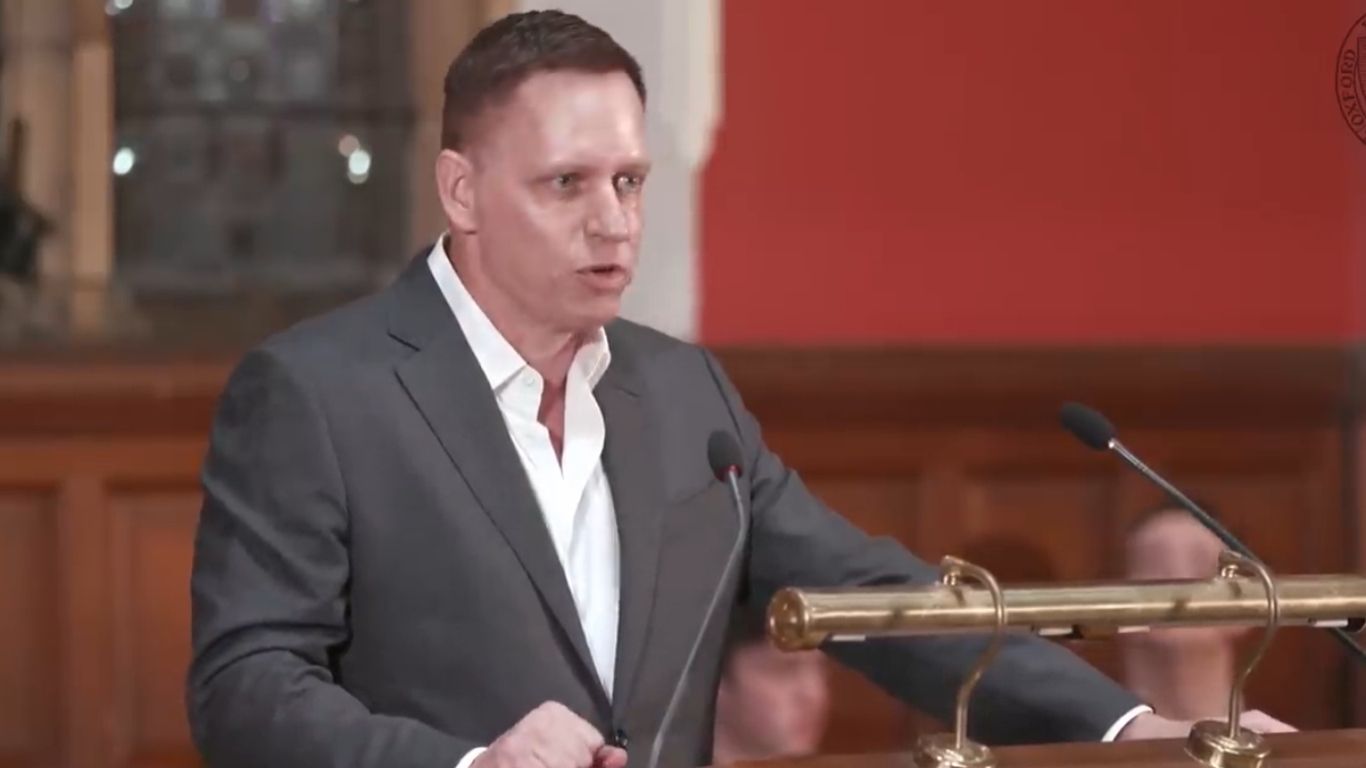
Dialog was founded in 2006 by Peter Thiel, the entrepreneur and investor known for co-founding PayPal and backing several major technology companies. The organization has operated largely out of public view and has never publicly released a membership list.
The leaked documents show that Dialog attracts some of the most influential figures in politics, government, national security, finance, and technology.
Among those identified in the records is NATO Supreme Allied Commander Europe Gen. Alexus Grynkewich, U.S. Treasury Secretary Scott Bessent, Sen. Ted Cruz, and Palantir co-founder Joe Lonsdale. The documents also name senior intelligence officials, military leaders, ambassadors, and executives from artificial intelligence, surveillance, and data-focused companies.
The leak also revealed the participation of several prominent figures who had not previously been linked to the organization. They include former Federal Reserve Gov. Randy Kroszner, Anti-Defamation League CEO Jonathan Greenblatt, Cato Institute President Peter Goettler, Charles Koch Foundation Executive Director Ryan Stowers, and Nobel Prize-winning economist Roger Myerson.
The records provide rare details about Dialog’s annual retreats, which bring together members for private discussions on global issues and emerging technologies.
According to the leaked materials, the group organizes off-the-record sessions covering subjects such as artificial intelligence, geopolitics, military innovation, and energy policy. Topics planned for the 2026 gathering in Ireland include “Navigating WWIII,” “Battlefield Technologies,” “Bring Back Nuclear,” and “Money (Does?) Buy Happiness.”
Internal documents instructed participants to keep discussions confidential. Organizers also encouraged attendees to avoid obvious displays of status despite the presence of senators, diplomats, military officials, and corporate leaders. The retreat format appears designed to encourage open conversations among influential participants away from public attention and media scrutiny.
One of the most surprising details from the leak involves Dialog’s private matchmaking program. Registration forms asked members whether they were interested in finding a romantic partner. Single participants could choose to join a matchmaking service operated by the organization.
Dialog also maintained a separate platform known as dating.dialog.org. The service aimed to help members build what it described as meaningful relationships among accomplished and influential individuals. Participants who enrolled in the program provided personal information about their political views, relationship goals, and dating preferences.
Dialog assured users that this information would remain private and would not appear in the dating application or be shared with other members. However, the leaked records exposed those responses along with other sensitive data.
The leak raises significant questions about privacy and data security within elite organizations that rely on confidentiality.
Many members likely joined Dialog with the expectation that their participation and personal information would remain protected. The exposure of both professional and personal data may increase concerns about how private organizations store and secure sensitive information.
The incident also highlights the growing risks facing exclusive networks that collect large amounts of member information.
The leaked records suggest that Dialog serves as more than a networking group. The organization appears to function as a private community where influential individuals build professional partnerships, discuss global issues, and form personal relationships.
For nearly 20 years, Dialog operated largely outside public view. The recent leak has changed that by providing an unusually detailed look at the people, discussions, and activities that shape one of the most secretive elite networks connected to technology, politics, and global influence.