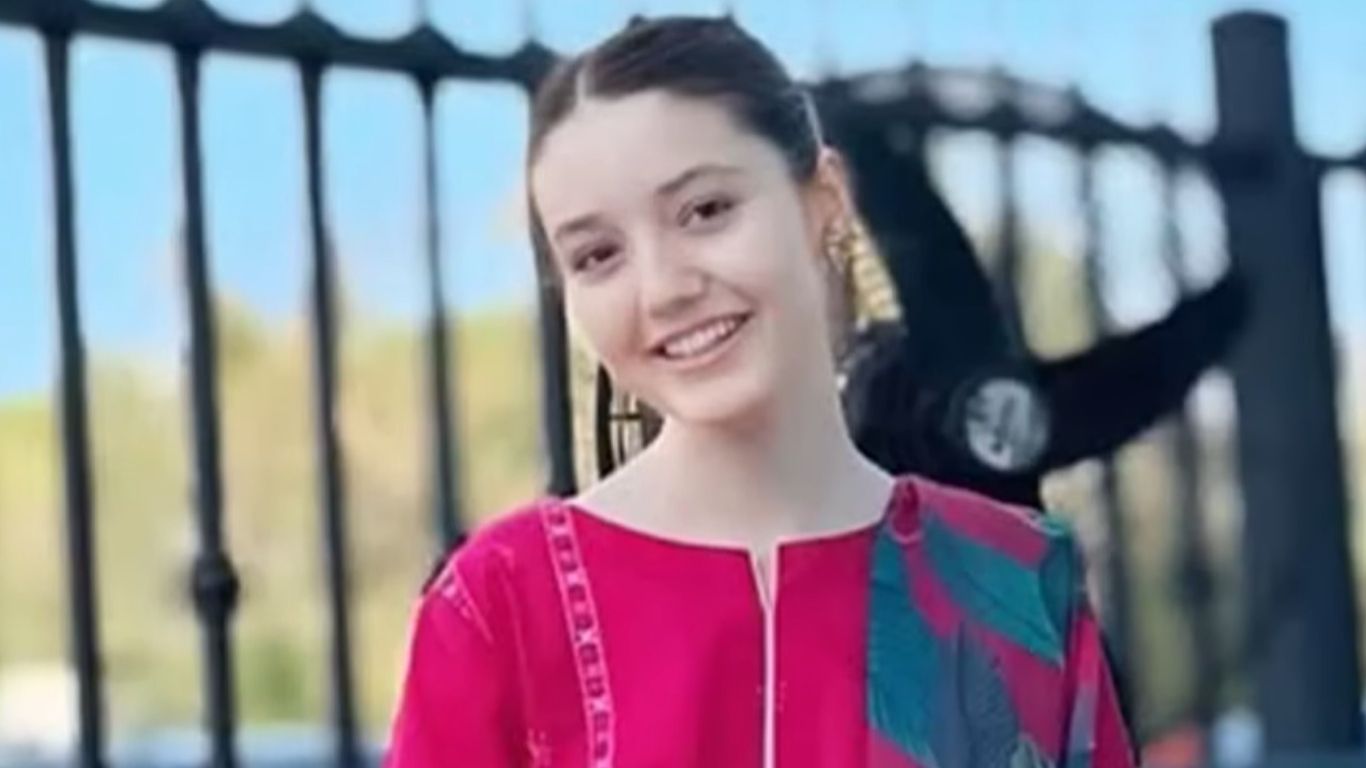
ISLAMABAD, Pakistan (Diya TV) — A court in Pakistan has sentenced a man to death for the murder of teenage social media influencer Sana Yousaf, a case that shocked the country and renewed debate about violence against women and online harassment.
The Islamabad court handed down the sentence to 23-year-old Umar Hayat after he admitted to killing the 17-year-old TikTok star in June last year. The court also ordered him to pay 2.5 million Pakistani rupees, or about $9,000, to Yousaf’s family as compensation.
The case drew national attention because of Yousaf’s popularity on social media and the growing concerns about the safety of female influencers in Pakistan. According to investigators, Hayat became obsessed with Yousaf after interacting with her online. Authorities said he repeatedly tried to contact her and pressured her to meet him.
Police said Hayat traveled to Islamabad days before the killing to meet Yousaf on her birthday. She refused to see him, but he later entered her family home. Pakistani media reported that the two had argued before Hayat shot her dead. Hayat confessed to the crime during investigations in July, officials said.
Yousaf’s father, Syed Yousaf Hassan, welcomed the court’s decision. Local media quoted him as saying the ruling should serve as “a lesson for all such criminals in society.” The murder sparked widespread anger across Pakistan. Many social media users, activists, and public figures demanded justice for Yousaf and stronger protections for women facing harassment both online and offline.
Before her death, Yousaf had built a large following on social media. She had more than one million followers on TikTok and more than 500,000 followers on Instagram. Fans knew her for posting lighthearted videos about fashion, music, and everyday life. Her content often featured lip-sync performances, beauty trends, and moments with friends.
Supporters described her as a rising digital creator with a positive online presence. After news of her death spread, tributes poured in across social media platforms. Many users shared videos and messages honoring Yousaf’s life and calling attention to violence against women in Pakistan.
Police launched a large investigation after the killing. Authorities raided several locations in Islamabad and Punjab province while searching for the suspect. Investigators reviewed footage from 113 CCTV cameras to track Hayat’s movements before and after the crime, according to local reports.
The high-profile investigation helped police gather evidence quickly. Officials later confirmed Hayat’s arrest and confession. The case became one of the most discussed crimes in Pakistan last year because of Yousaf’s fame and the brutal nature of the attack.
The killing also reignited debate about the treatment of women on social media in Pakistan.
While many people condemned the murder, some online users criticized Yousaf for creating content on TikTok and Instagram. Critics argued that female influencers should not share videos publicly, often using religious or conservative arguments.
Digital rights activist Usama Khilji previously told the BBC that a small but vocal group of mostly male internet users targeted Yousaf after her death. Some even suggested her social media accounts should be removed. Human rights activist Farzana Bari described the backlash as misogynistic and patriarchal. She said Yousaf represented a young woman using her own voice and platform.
Bari also warned that social media has become increasingly dangerous for female content creators in Pakistan. Women’s rights groups say Yousaf’s murder reflects a wider pattern of gender-based violence in the country. Activists continue to call for stronger laws, faster legal action, and better online protections for women.