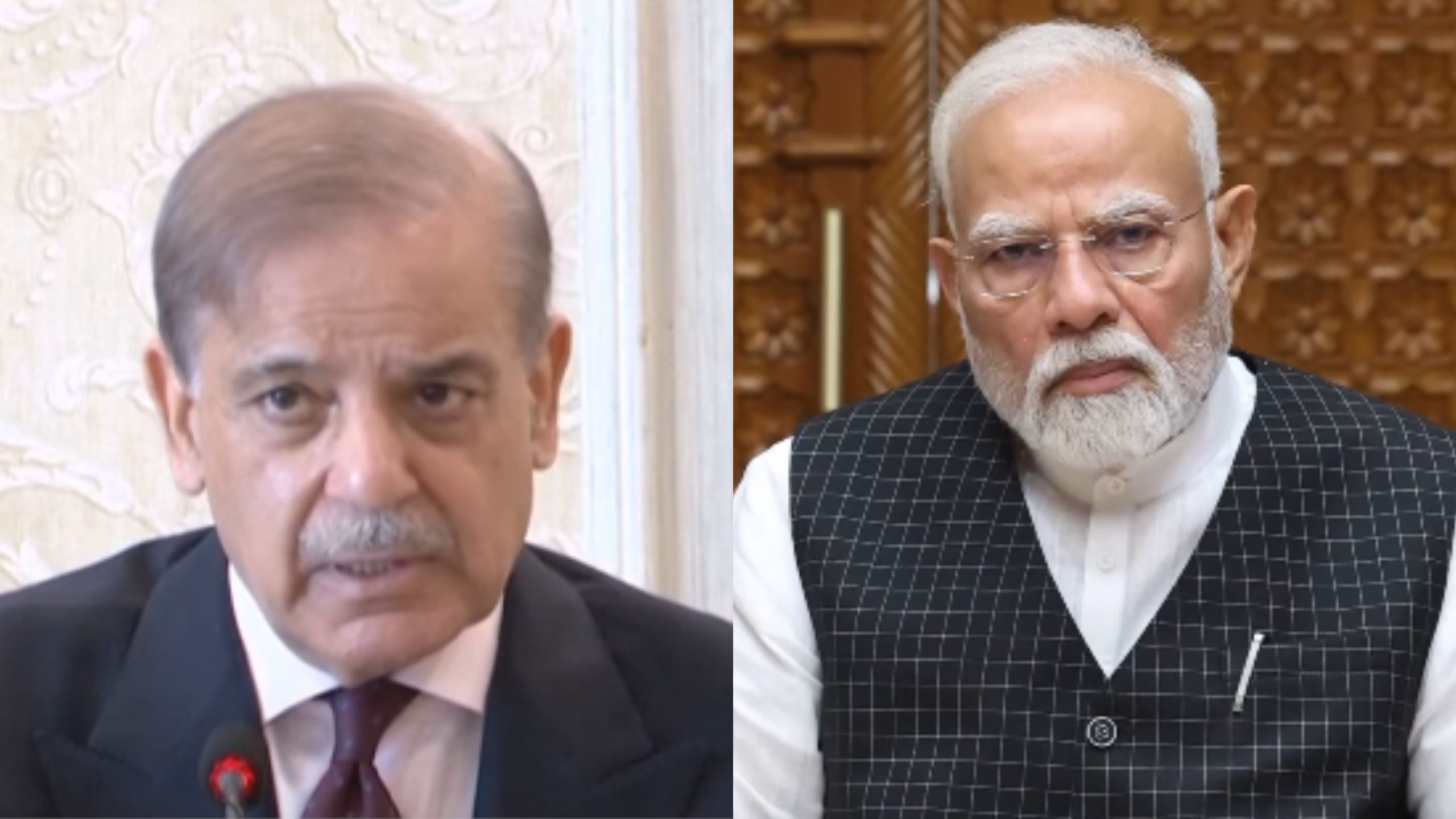
ISLAMABAD, Pakistan (Diya TV) — Tensions between India and Pakistan have escalated after reports that Islamabad has blocked essential supplies to Indian diplomats in the Pakistani capital. According to a CNN-News18 report, Pakistani authorities have restricted the delivery of fuel, drinking water, and newspapers to the Indian High Commission in Islamabad. Senior Indian government sources have called the move “deliberate and premeditated,” describing it as a clear violation of the Vienna Convention on Diplomatic Relations.
The Vienna Convention protects the dignity, safety, and functioning of diplomats worldwide. Blocking basic supplies, officials say, undermines these international rules. Diplomatic sources told CNN-News18 that gas pipelines installed at the Indian High Commission have been shut off. Vendors who previously provided gas cylinders for cooking and heating have reportedly been ordered not to sell to Indian staff.
With these restrictions in place, diplomats and their families have been forced to search for costly alternatives in the open market. This has added both financial strain and logistical challenges to daily life inside the High Commission.
The problem extends beyond fuel. Regular suppliers of clean drinking water have been told not to deliver to the Indian mission. All water vendors in Islamabad have reportedly been instructed to avoid doing business with the Commission. Since tap water in the city is unsafe to drink without heavy filtration, this has caused major disruption for Indian diplomats and their families.
The restrictions even cover newspapers. Vendors have allegedly been told to stop delivering local print publications to the Indian High Commission. Indian officials believe this is an attempt to isolate the diplomats from local viewpoints and limit their access to current events in Pakistan.
Such measures, officials argue, appear designed to make life harder for Indian diplomats. Sources cited by CNN-News18 have described the move as “petty retaliation” by Pakistan’s Inter-Services Intelligence agency (ISI) following rising tensions between the two countries.
The reported curbs come shortly after two major developments. India recently announced the suspension of the Indus Waters Treaty, a decades-old agreement governing water sharing between the two countries. The move followed “Operation Sindoor,” which Indian sources described as a success.
Relations between the two nuclear-armed neighbors have been tense for years, often worsening after military or political flashpoints. In 2019, Indian diplomats in Islamabad faced similar harassment after India carried out surgical strikes in response to the Pulwama terror attack.
According to an Economic Times report, Indian officials are weighing possible retaliatory measures against Pakistani diplomats in India. These could involve restrictions on movement or access to certain services. Pakistani authorities have also increased surveillance of Indian diplomats, reports say. Officials have been closely monitoring their movements both at work and at home in Islamabad.
The Vienna Convention on Diplomatic Relations, adopted in 1961, requires host countries to protect foreign diplomats and ensure they can perform their duties without interference. Blocking fuel, water, and newspapers, Indian officials argue, clearly breaks these rules.
Foreign policy analysts warn that such actions could further damage already fragile relations between India and Pakistan. They note that tit-for-tat measures often spiral into deeper diplomatic rifts. For now, Indian diplomats in Islamabad face daily difficulties in securing basic needs like cooking gas, safe drinking water, and access to newspapers.
With both sides showing little sign of easing tensions, the situation could escalate further in the coming weeks. The international community will be watching closely to see if the dispute leads to more severe diplomatic fallout.