TORONTO (Diya TV) — Canada’s federal government is considering a sweeping new immigration law that could allow officials to cancel large numbers of temporary visas across entire countries. Immigration experts say the proposal could reshape Canada’s visa system and create uncertainty for thousands of Indian and Bangladeshi applicants.
The proposed legislation, known as Bill C-12, the Strengthening Canada’s Immigration System and Borders Act, was introduced in Parliament on Oct. 8, 2025. If passed, it would give Ottawa the authority to “cancel, suspend or vary” temporary visas under the Immigration and Refugee Protection Act when deemed to be in the national interest.
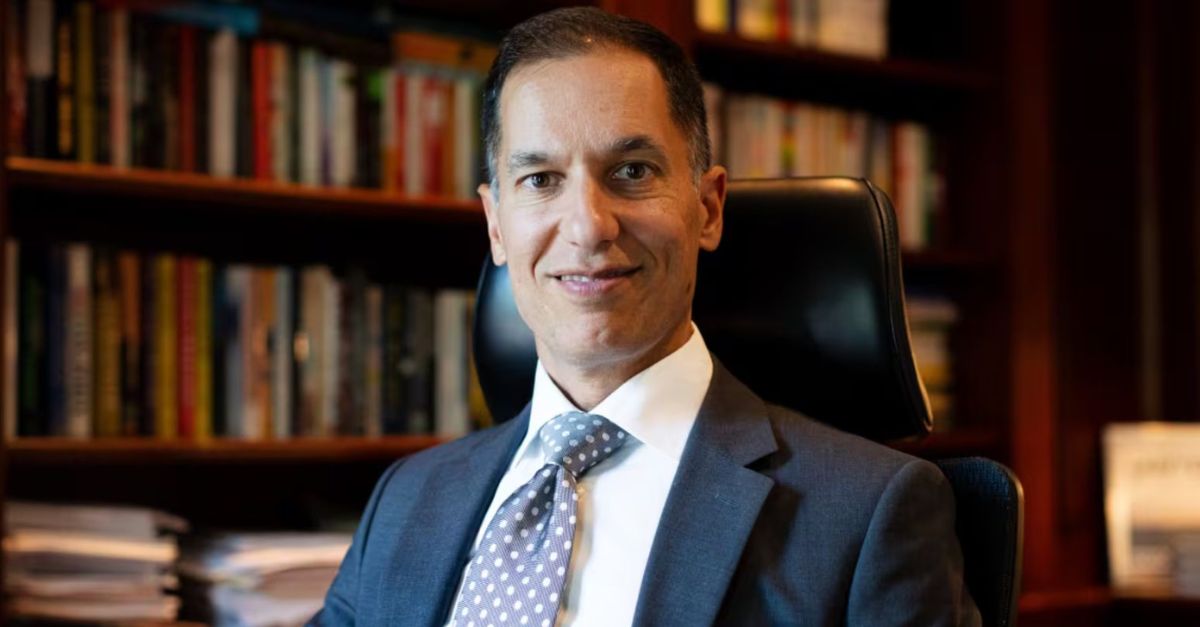
Immigration lawyer Ravi Jain, founder of Jain Immigration Law, warned that the bill represents a major policy shift. “This would fundamentally change how visa policy is enforced,” Jain said in a blog post. “It goes far beyond emergency use cases like pandemics or conflicts.” Under the bill, the federal cabinet — acting as the Governor in Council — could order mass visa cancellations without case-by-case review. The government could also terminate visa applications already in process if national security or public interest reasons arise.
Internal government documents obtained by CBC News show that the Immigration, Refugees and Citizenship Canada (IRCC) and the Canada Border Services Agency (CBSA) have already modeled scenarios for how the new powers might apply to “country-specific visa holders.” India and Bangladesh are listed among potential risk zones.
Asylum claims by Indian nationals have surged in recent years. Fewer than 500 Indians filed asylum claims each month in mid-2023, but by July 2024, that number had jumped to about 2,000. During the same period, processing times for temporary resident visas from India increased from roughly 30 days to 54 days.
Jain said these trends appear to be driving the government’s focus. “The rise in asylum claims and processing delays has been framed as a system integrity issue,” he said. “But granting the government blanket authority to cancel whole cohorts of visas risks sweeping in legitimate applicants.”
The stakes are especially high for Indian students and workers. According to recent immigration data, Canada’s study permit rejection rate for Indian applicants climbed from 32 percent in August 2023 to 74 percent by August 2025. Jain said the possibility of mass visa cancellations under Bill C-12 adds “another layer of uncertainty for applicants already facing record rejections.”
He urged Indian and Bangladeshi nationals to take extra precautions. “Applicants should strengthen their documentation, file early, and keep a close eye on policy updates as the bill moves through Parliament,” he said. If enacted, Bill C-12 would mark one of the most dramatic expansions of immigration control powers in Canada’s history. Currently, visa cancellations occur only in rare, individual cases, typically related to fraud, misrepresentation, or security issues.
The new measure would allow the government to cancel visas based not on individual actions but on group classification — a move Jain described as “a seismic policy change.” Critics say the bill could damage Canada’s reputation as a welcoming destination for international students and skilled workers. It may also disrupt travel, family reunification, and business ties with key partner countries such as India and Bangladesh.
Federal officials have not confirmed when Bill C-12 will come up for debate. Supporters of the legislation argue that it would give Canada more flexibility to manage immigration risks and respond quickly to crises. They say it is designed to protect the integrity of the immigration system, not target specific countries.
Still, immigration lawyers and community advocates are calling for transparency and clear limits on how the new authority would be used. “Policy must balance national interest with fairness and predictability,” Jain said. “Otherwise, we risk undermining confidence in the immigration system itself.”
The bill is currently in its first stage of debate in Parliament. Lawmakers are expected to review amendments in the coming months.