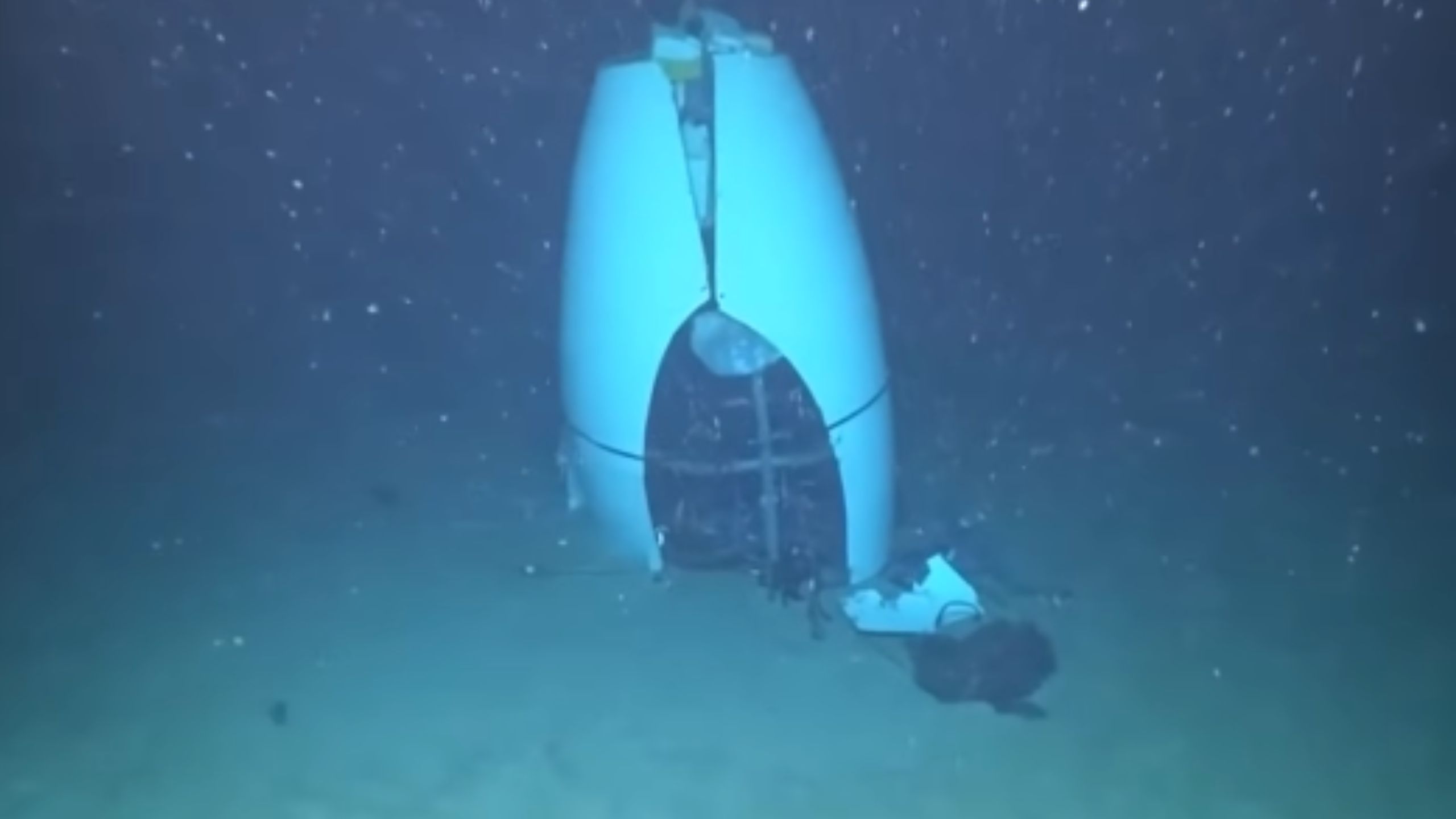
SEATTLE (Diya TV) — A new report from the U.S. Coast Guard says the deadly implosion of OceanGate’s Titan submersible was “preventable.” The 335-page investigation outlines major safety failures and negligence by the company, which killed all five people on board during a 2023 dive to the Titanic wreck.
The report, released Tuesday morning by the Coast Guard’s Marine Board of Investigation, found that OceanGate ignored warnings, used unsafe materials, and operated outside of accepted industry standards. The board concluded that the company’s flawed safety practices and lack of oversight directly led to the tragedy.
The Titan submersible vanished on June 18, 2023, about 90 minutes into a dive to the Titanic wreck, 12,500 feet below the Atlantic Ocean. The sub’s carbon-fiber hull suffered a catastrophic failure due to immense water pressure. All five people on board died instantly.
Investigators said the sub’s design was experimental and used materials not certified for deep-sea diving. Carbon fiber, the main material in Titan’s hull, had never been used for such depths. Experts had repeatedly warned OceanGate that carbon fiber is unpredictable under pressure and prone to a dangerous condition called delamination.
The report also confirmed that Titan had completed 13 previous dives. However, OceanGate continued using the sub despite damage signs and warnings from engineers and crew. The company failed to properly inspect the hull after each dive, exposing passengers to rising risks with every trip.
According to the Coast Guard, OceanGate used intimidation and loopholes to avoid safety rules. By operating in international waters and labeling its sub as an “Oceanographic Research Vessel,” the company bypassed U.S. maritime laws and certification standards.
The report revealed that founder and CEO Stockton Rush held multiple key roles, including safety officer and lead engineer. Investigators said this created a dangerous lack of checks and balances. Rush was also the pilot of Titan during its final dive.
Rush “exhibited negligence that contributed to the deaths of four individuals,” the report said. Had he survived, the board would have recommended charges to the Department of Justice for possible criminal offenses.
Former advisors and experts told investigators that OceanGate ignored red flags. Employees who raised safety concerns were often silenced or pushed out. One deep-sea operations expert, Rob McCallum, said the sounds of cracking inside the hull were signs of weakening. He warned that failure was not a matter of “if,” but “when.”
The tragedy drew worldwide attention during a four-day search effort. Remotely operated vehicles eventually found debris on the ocean floor, confirming the implosion. The victims included Stockton Rush, British explorer Hamish Harding, Titanic expert Paul-Henri Nargeolet, Pakistani businessman Shahzada Dawood, and his 19-year-old son, Suleman.
OceanGate marketed its trips as exclusive expeditions, charging up to $250,000 per seat.
The Coast Guard’s report included 30 recommendations aimed at preventing similar disasters. These call for stricter oversight, mandatory third-party certification, and improved maintenance and inspection standards. It also recommended ending the use of loopholes like the Oceanographic Research Vessel label for submersibles carrying paying passengers.
Jason Neubauer, chair of the Marine Board of Investigation, said stronger oversight is needed for submersibles using new or experimental designs. He warned that the industry must ensure safety keeps pace with innovation.
“This marine casualty and the loss of five lives were preventable,” Neubauer said. “OceanGate’s critically flawed safety procedures and lack of regulatory oversight directly contributed to the tragedy.”
In a statement, OceanGate extended condolences to the families of those lost. The company said it fully cooperated with the Coast Guard and permanently shut down operations after the disaster.