MUMBAI (Diya TV) — A major shift is coming to India’s drug market that could change how millions access weight-loss medicine. In March, Novo Nordisk’s India patent for semaglutide, the key ingredient in Ozempic, will expire. India’s powerful generic drug industry is preparing to move fast. The result could be a sharp drop in prices and a surge in availability of weight-loss drugs in India and beyond.
Semaglutide helps control appetite and blood sugar. Doctors prescribe it for diabetes and obesity. Novo Nordisk sells it globally under brands like Ozempic and Wegovy. Once the patent ends in India, local drugmakers can legally produce generic versions.
Industry analysts expect fierce competition. Some predict prices could fall by up to 90% in India. Investment bank Jefferies has called this a “magic pill moment” for the country. It estimates India’s semaglutide market could reach $1 billion. India already plays a major role in global health. It earned the title “pharmacy of the world” by supplying affordable HIV drugs decades ago. Experts say the country could now do the same for obesity treatment.
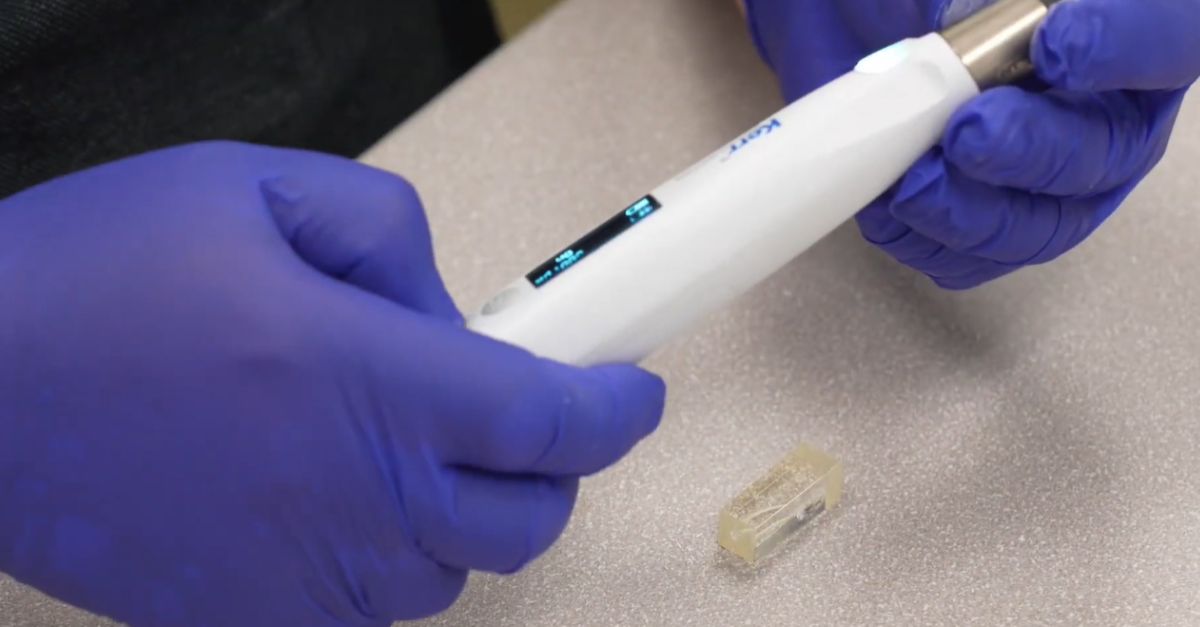
Several Indian companies are already preparing. At least 10 firms have begun steps to manufacture semaglutide-based drugs. These include Dr. Reddy’s Laboratories, Cipla, and OneSource Specialty Pharma. OneSource says it plans to invest nearly $100 million to expand production. The company wants to focus on drug-device combinations, such as pre-filled injection pens. It aims to increase capacity fivefold over the next two years.
Biocon has also built a new injectables facility in Bengaluru. The company invested about $100 million and plans to serve both Indian and overseas markets. CEO Siddharth Mittal said Biocon hopes to launch products by 2027, with exports planned to Brazil and Canada. Dr. Reddy’s has told Reuters it plans to sell generic semaglutide in 87 countries next year. The company expects hundreds of millions of dollars in revenue.
Today, weight-loss injections remain out of reach for many Indians. Monthly costs can exceed average wages. That may soon change. Namit Joshi, head of India’s Pharmaceuticals Export Promotion Council, said prices could drop to about $77 a month within a year. Over time, costs may fall to around $40. Such prices remain unlikely in the United States, where Ozempic’s patent runs into the 2030s. Still, lower Indian prices could influence global markets through exports.
The timing matters. India faces a growing obesity and diabetes crisis. The country already has the world’s largest diabetic population. By 2050, experts project that 450 million Indian adults could be overweight. For patients like Mahesh Chamadia, these drugs feel life-changing. The 70-year-old Mumbai accountant spent decades trying to lose weight. He exercised daily and tried diets, gyms, and yoga. Nothing worked long-term.
In 2025, he began using Eli Lilly’s tirzepatide, sold as Mounjaro, after it launched in India. Nine months later, he had lost 10 kilograms. His blood sugar improved. His triglycerides fell. His cravings eased. Mounjaro has already become one of India’s top-selling drugs. Research firm Pharmarack reports it ranked as the country’s second-largest pharmaceutical brand by September 2025.
Despite the excitement, doctors warn against misuse. These drugs can cause nausea, vomiting, diarrhea, and stomach pain. They also require medical supervision. Some clinics now market injections for quick cosmetic weight loss, including pre-wedding programs. Obesity specialists say that trend worries them.
“These drugs are not for crash slimming,” said Dr. Rajiv Kovil, an obesity expert in Mumbai. He warned that misuse could rise as access expands.
Endocrinologist Dr. Atul Luthra stressed that medicine alone is not enough. Diet and exercise still matter. Poor eating habits can worsen side effects and reduce benefits.
As March approaches, drugmakers, doctors, and patients are watching closely. Generic semaglutide could make treatment affordable for millions. It could also test whether India can balance access with responsible use. For Chamadia, the decision feels simple. He now urges his adult son to consider treatment as well.
“This is not just about weight,” he said. “It is about controlling everything else.”