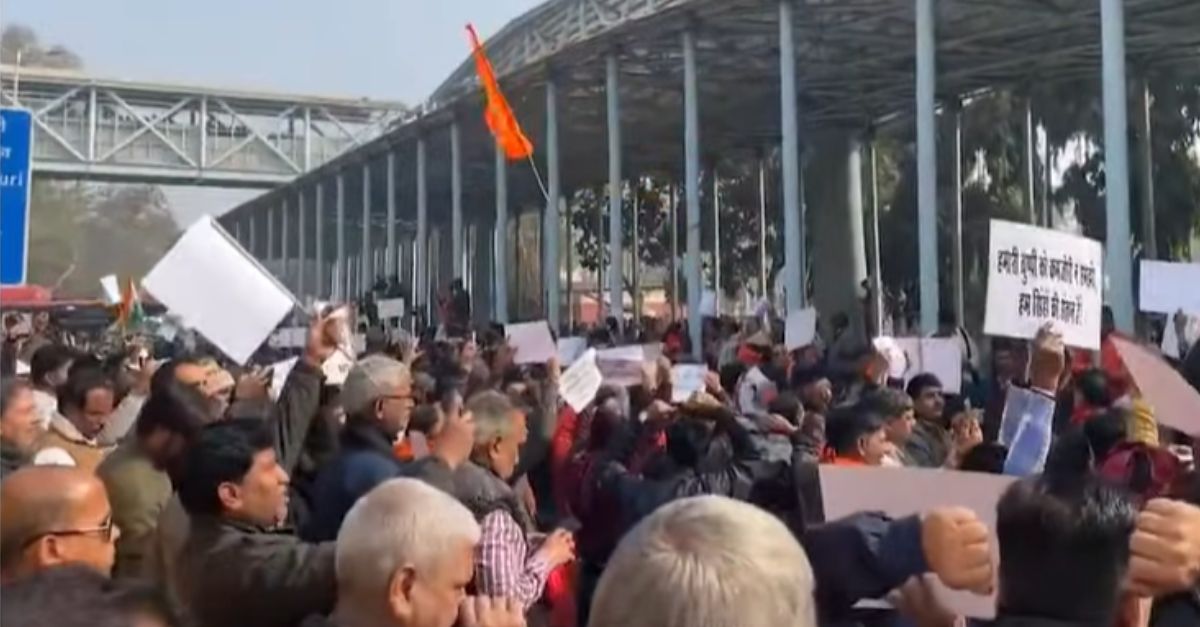
DHAKA, Bangladesh (Diya TV) — Angry graffiti now covers the walls of Dhaka University. The slogans are sharp and emotional. Many point directly at India. For Bangladesh’s young generation, politics is no longer just about elections or democracy at home. It is also about who they believe shaped the past 15 years of their country’s rule.
The campus has become a symbol of change since the July 2024 uprising that forced Prime Minister Sheikh Hasina to resign after 15 years in power. Many students see her fall as a long-delayed correction. They also see India’s role as deeply troubling. One slogan appears again and again: “Dhaka, not Delhi.” It reflects a growing belief among young Bangladeshis that India interfered too much in their country’s internal affairs.
Many young Bangladeshis blame India for backing Hasina even as her government became more authoritarian. Disputed elections in 2014, 2018, and 2024 weakened faith in democracy. India’s continued support during those years left a lasting mark.
“She destroyed democracy, and India supported her,” said Mosharraf Hossain, a 24-year-old sociology student. His view is common among students and activists.
That anger intensified after Hasina fled to India following the 2024 security crackdown. The United Nations says about 1,400 people were killed, mostly by security forces. Many Bangladeshis expected India to distance itself from Hasina. Instead, India gave her refuge and limited visas and trade. For many young voters, that decision felt like a betrayal.
India-Bangladesh relations were once praised as a regional success. Cooperation expanded across trade, security, and transit during Hasina’s rule. Today, analysts say the relationship is at its lowest point in decades.
Anti-India sentiment also draws from older disputes. These include border killings, water-sharing disagreements, and trade barriers. Indian political rhetoric has added fuel. Comments about Bangladeshi migrants and harsh television debates have spread quickly on social media. Cultural backlash followed. Calls to boycott Indian goods grew louder. Some broadcasters suspended Indian Premier League cricket coverage. Both countries also reduced visa services.
India has tried to broaden its contacts in Bangladesh. Foreign Minister S. Jaishankar attended the funeral of former Prime Minister Khaleda Zia and met opposition leaders. Indian officials have also reached out to Islamist parties, including Jamaat-e-Islami.
These moves have not reversed public anger. Many Bangladeshis believe India still prefers managing Dhaka through favored political figures rather than respecting voter choice. Analysts say that trust, once lost, is hard to rebuild quickly.
Bangladesh’s youth are voting in large numbers for the first time. Many see sovereignty and dignity as core political issues. China’s growing presence also shapes the mood. From infrastructure projects to cultural events, Beijing offers an alternative partner at a time when India’s image has weakened. Still, most young Bangladeshis separate governments from the people. Students say their anger targets Indian policies, not Indian citizens. Family ties, language, and shared history remain strong across the border.
Interim leader Muhammad Yunus has called relations with India “multi-dimensional.” Officials stress shared rivers, trade, and geography. Yet they admit public sentiment has hardened.
Political leaders across parties agree that a reset with India is unavoidable. Bangladesh’s economy depends on regional stability. Trade between the two countries stands at $13.5 billion and could grow with better relations. Experts say real change will require India to engage whoever holds power in Dhaka. Symbolic gestures will not be enough.
The rupture is deep, but not permanent. Geography and history bind the two neighbors together. For Bangladesh’s youth, the message is clear. Respect and equality matter as much as diplomacy. Whether India listens may shape the future of the relationship for years to come.