WASHINGTON (Diya TV) — A new study has traced a sharp rise in anti-Indian rhetoric online following key political developments in the United States. The research found that more than 24,000 posts targeting Indian Americans circulated widely on social media. Those posts generated over 300 million views, highlighting how quickly online hostility can spread.
The study, written by Tanner Nau, examined the surge in online attacks after Donald Trump won the presidency in 2024 and appointed Sriram Krishnan as a senior policy adviser for artificial intelligence. Researchers say the incident reflects a broader rise in nationalist rhetoric and debates over immigration and technology leadership in the United States.
Shortly after securing the presidency in 2024, Trump signaled a strong interest in the fast-growing field of artificial intelligence. He appointed Krishnan, a technology executive and immigrant from India, as a senior policy adviser for AI. Krishnan built a successful career in Silicon Valley. He worked with major technology companies and earned a reputation as a respected voice in the tech industry.
However, his appointment triggered immediate backlash on social media. Within hours, users on the platform X posted thousands of critical comments about Krishnan’s background and immigration status.
One widely shared comment asked whether voters had chosen “this Indian to run America.” The remark appeared beneath a photo of Krishnan and quickly spread across the platform. The study found that similar posts gained millions of views within a short time. Researchers say such content often spreads quickly when it connects political debates with immigration issues.
The controversy escalated when conservative activist Laura Loomer publicly criticized the appointment. Loomer described the decision as “deeply disturbing.” She argued that the United States was built by “white Europeans” and not immigrants from what she called “third-world” countries.
Her comments fueled further discussion across social media platforms and political forums. The study noted that highly visible political voices can amplify online narratives. When influential figures comment on sensitive issues, the discussion often spreads rapidly and becomes more polarized.
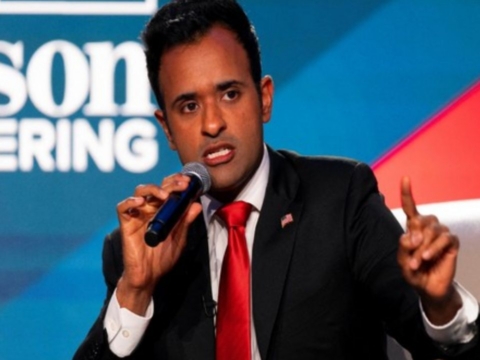
Two days after the controversy began, entrepreneur and political candidate Vivek Ramaswamy entered the debate. Ramaswamy previously ran for the Republican presidential nomination in 2024. After leaving the race, he endorsed Trump and later launched a campaign for governor of Ohio. Ramaswamy defended Krishnan and other immigrant professionals working in the U.S. technology sector.
He argued that American companies hire foreign-born engineers because the country has “venerated mediocrity over excellence for way too long.” His statement suggested that U.S. firms seek the best talent available, regardless of national origin. Ramaswamy’s defense sparked another wave of online criticism.
Many social media users attacked him personally. Some questioned his loyalty and background, despite the fact that he was born in Cincinnati to parents who immigrated from India. Researchers say this reaction shows how online discussions about immigration can quickly become personal and hostile.
The study tracked more than 24,000 posts related to the controversy. Together, those posts generated over 300 million views across multiple social media platforms. Researchers say the findings highlight the powerful role of digital platforms in shaping political conversations. They also warn that viral posts can normalize harsh rhetoric about ethnic and immigrant communities.
Online algorithms often promote content that generates strong reactions. As a result, controversial comments can spread far faster than balanced discussions.
The debate surrounding Krishnan’s appointment also reflects larger political tensions in the United States. Artificial intelligence has become a strategic priority for governments and technology companies. Leaders want to secure talent and maintain global competitiveness. At the same time, immigration remains a deeply divisive issue in American politics.
Supporters of skilled immigration argue that international talent helps drive innovation and economic growth. Critics say the country should focus more on training domestic workers. The controversy surrounding Krishnan highlights how these issues often intersect.
Experts say the surge in anti-Indian rhetoric raises concerns about the broader climate of online discourse. Social media platforms allow political debates to reach millions of people within minutes. However, they also create space for harassment and misinformation.
Researchers say understanding how these narratives spread can help policymakers and technology companies address the problem. For now, the study’s findings show how quickly online rhetoric can escalate when politics, immigration, and technology collide.