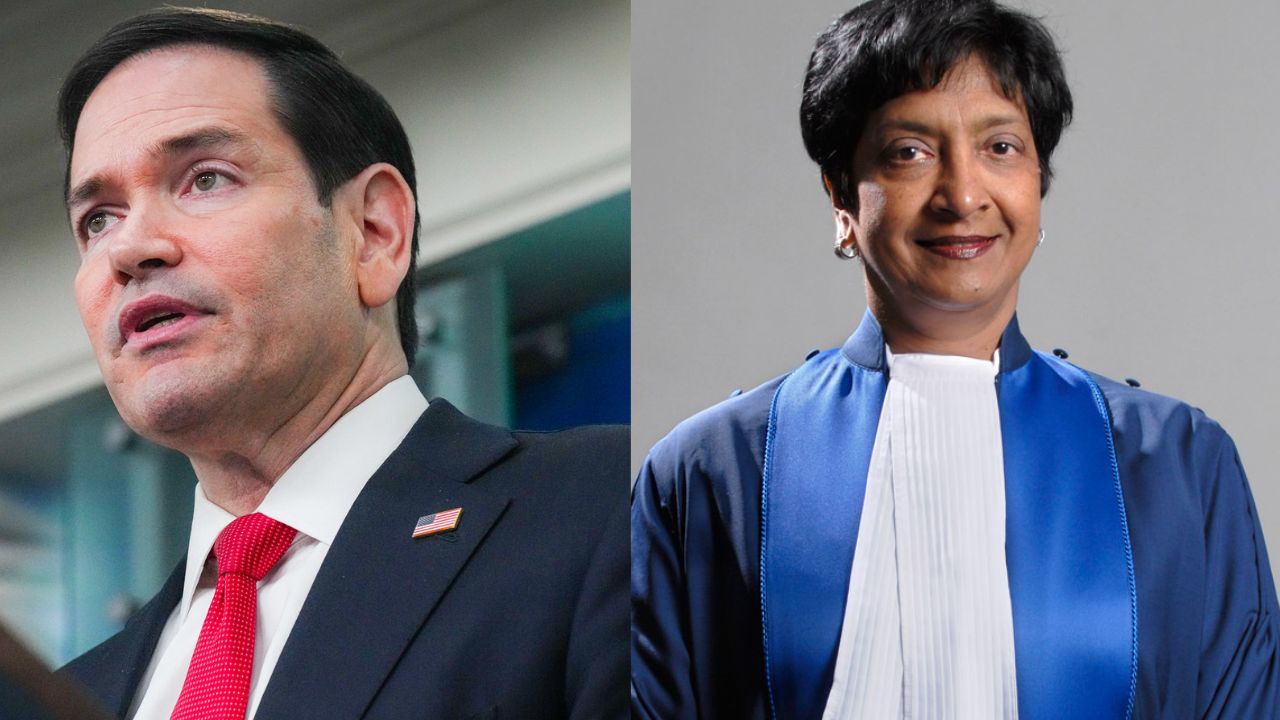
WASHINGTON (Diya TV) — South African jurist Navanethem “Navi” Pillay, whose family is of Indian Tamil origin, won the Nobel Peace Prize on Friday for her work advancing peace and international law.
Hours later, the Trump administration imposed sanctions on the International Criminal Court, where Pillay previously served as a judge. European governments reaffirmed their support for the tribunal, while the court warned that the restrictions threatened its ability to deliver justice.
The Norwegian Nobel Committee recognized Pillay’s role in prosecuting war crimes, crimes against humanity and genocide. It said the award underscored the importance of international law as judges and legal institutions face political pressure.
Born in Durban under apartheid, Pillay opened a law practice in Natal in 1967 and represented anti-apartheid activists and political prisoners. She later became the first non-white woman to serve on South Africa’s High Court.
At the International Criminal Tribunal for Rwanda, she helped establish that rape and sexual violence could constitute genocide. She also served as the tribunal’s president.
Pillay served on the ICC from 2003 to 2008, then led the United Nations human rights office until 2014. She currently serves as an ad hoc judge at the International Court of Justice in The Gambia’s genocide case against Myanmar.
She also chaired the U.N. commission investigating the occupied Palestinian territory and Israel. The commission concluded last year that Israel had committed genocide in Gaza, a finding Israel rejected.
Pillay learned of the award while attending a legal conference in Nuremberg, Germany. She dedicated it to survivors of international crimes and defenders of international justice.
Secretary of State Marco Rubio said the sanctions would protect Americans from ICC prosecution. His announcement did not mention Pillay or the Nobel award.
The measures target the court itself, expanding earlier sanctions against individual officials. They block covered transactions and assets under U.S. jurisdiction, subject to exemptions.
The European Commission said it stood ready to protect the court’s work and European businesses. The ICC rejected the sanctions and urged member countries to ensure it could continue operating.