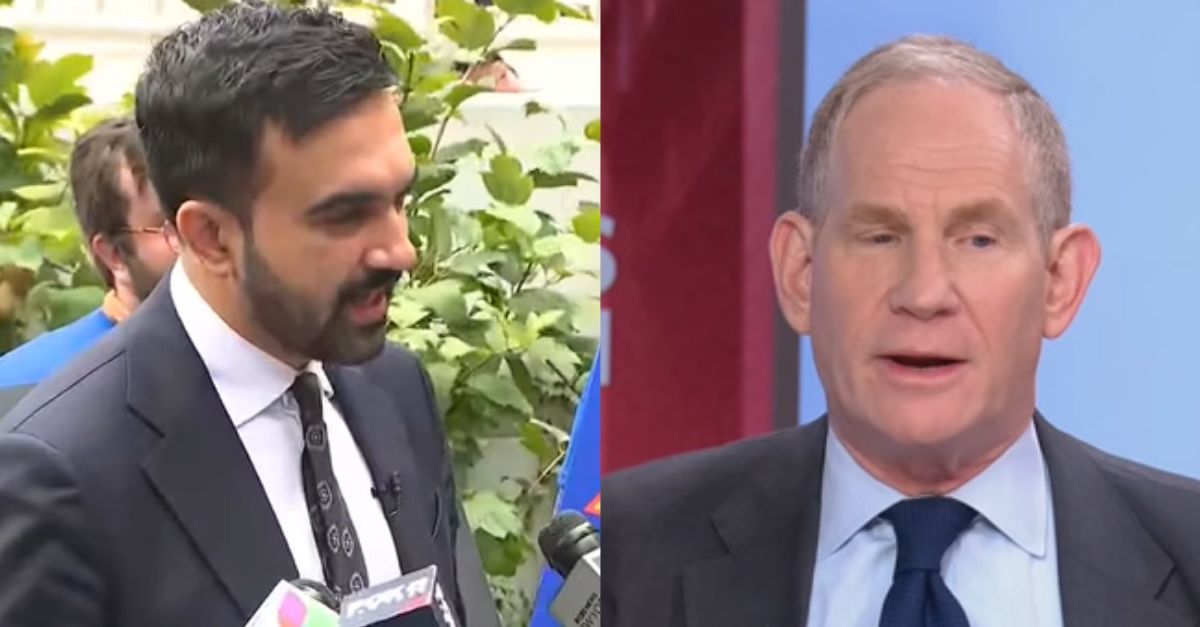
NEW YORK (Diya TV) — Metropolitan Transportation Authority (MTA) Chairman and CEO Janno Lieber pumped the brakes on Wednesday on mayoral front-runner Zohran Mamdani’s major campaign promise to make New York City’s buses free, calling the proposal rushed, underfunded, and unrealistic.
Lieber criticized Mamdani’s proposed Free Bus Program, which the candidate estimated would cost about $700 million annually. According to Lieber, that number misses the mark by a wide margin.
“They’re looking at fare box revenue that we got from buses last year,” Lieber said on NY1. “But we project that bus revenue is going to start to push closer to a billion dollars a year in the next couple of years.”
He argued that the plan was “half-baked” and that the MTA must first ensure low-income New Yorkers benefit before extending free rides to all. “I want to make sure that people of limited income get priority in this discussion and we’re not just giving a ton of money to people who ride the 104 on the Upper West Side,” Lieber said.
Beyond funding, Lieber raised concerns about whether the city’s bus system could handle a sudden rise in ridership if fares were eliminated.
“Are we going to need more buses? Are we going to need more bus drivers? Will we need extra depots?” he asked. “Those need to be studied.”
He added that such a massive policy shift would take years to analyze and implement properly. “Any change of the scale that’s being talked about, taking a section of our incredibly important transit system and changing it entirely, has to be studied,” Lieber said. “We studied congestion pricing for five years, and when we implemented it, we knew where there might be impacts.”
Former Gov. Andrew Cuomo, who appointed Lieber during his time in office, suggested the MTA chief’s comments were a coded rejection of Mamdani’s plan.
“That’s Janno Lieber. What he’s saying is, take a lot of years to study, which is a political way of saying it’s a dumb idea,” Cuomo said.
Mamdani, a democratic socialist representing Queens, has made fare-free buses a centerpiece of his campaign platform. He argues that public transit is a right and that eliminating fares would make life easier for working-class New Yorkers.
But when reporters from The New York Post asked Mamdani about Lieber’s remarks on Wednesday, the lawmaker declined to respond and walked away. Lieber also warned that removing bus fares could threaten the MTA’s financial stability, including billions of dollars in bonds tied to its fare revenue.
“I gotta worry about the study of all these different ideas and how they play out fiscally,” he said after the MTA’s monthly meeting. “Obviously, bondholders would want to know that the revenue basis has not been compromised, and we’d have to go through a lot of analysis to make sure that we could portray it accurately with bond buyers and people in that market.”
He emphasized that fare revenue remains a key part of the MTA’s financial structure, and any major change could have ripple effects across the agency’s budget and credit ratings.
Mamdani’s push for fare-free buses has fueled debate across New York City ahead of the upcoming mayoral election. Supporters say free transit would boost ridership, reduce inequality, and cut emissions. Critics argue it would cost too much and strain an already overburdened system.
Lieber’s public criticism marks a major setback for Mamdani’s proposal, signaling skepticism from one of the city’s most influential transportation leaders. While Mamdani has yet to release a detailed funding plan, Lieber’s comments highlight the fiscal and logistical hurdles that stand in the way of citywide free bus service.
As the debate continues, the MTA faces mounting financial pressure from post-pandemic ridership shifts and ongoing infrastructure needs. Lieber made clear that any sweeping change, like fare-free service, must undergo extensive review before moving forward.
“Any change of this size needs data, planning, and time,” Lieber said. “We owe that to our riders and to the city.”
With New York’s transit future hanging in the balance, Mamdani’s promise of free buses now faces its toughest test yet — convincing both voters and the MTA that it can work without breaking the system or the budget.