
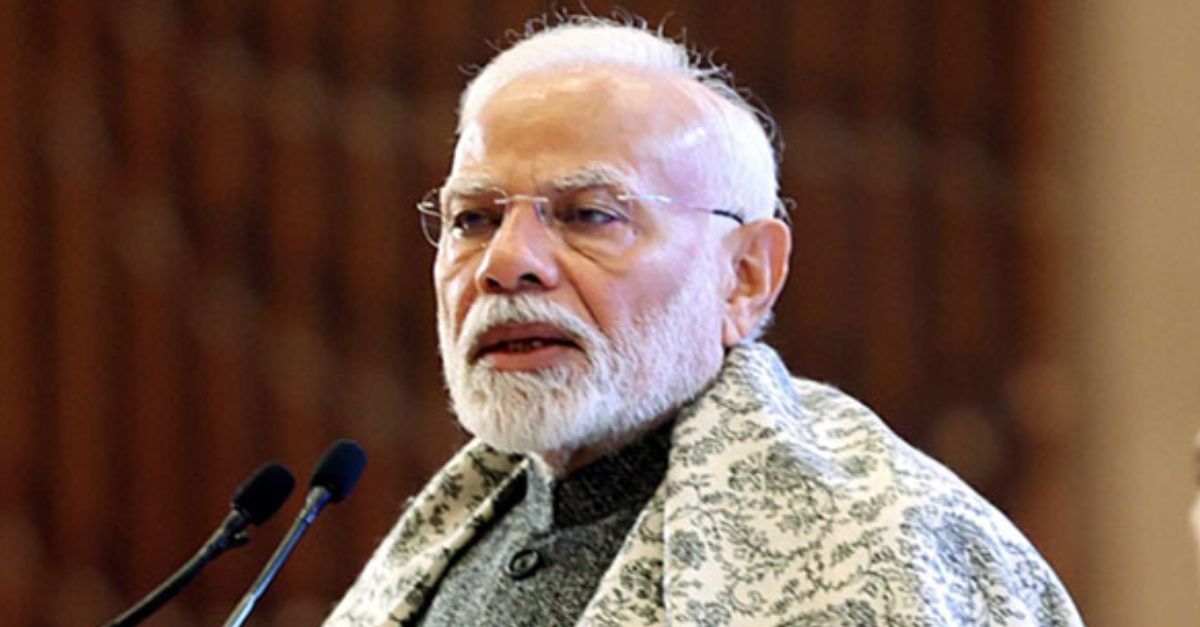
NEW DELHI (Diya TV) — Indian Prime Minister Narendra Modi’s absence from the Association of Southeast Asian Nations (ASEAN) summit in Malaysia on October 26, 2025, has stirred speculation about his motives. Reports suggest Modi skipped the in-person meeting to avoid a possible encounter with President Donald Trump and a public discussion about Pakistan — a topic that has recently strained ties between New Delhi and Washington.
The ASEAN summit in Kuala Lumpur is a regular fixture in Modi’s diplomatic calendar. Since taking office in 2014, he has attended nearly every ASEAN leaders’ meeting in person, except during the pandemic in 2022. This year, however, Modi joined the gathering virtually.
According to a Bloomberg report, Modi made the last-minute decision to stay away from the summit due to concerns that Trump might raise the issue of Pakistan. Trump’s unpredictable comments about India-Pakistan relations have previously embarrassed Indian officials and created diplomatic tension.
Relations between India and the United States have grown tense over the past few months. In August 2025, Trump imposed a 50% tariff on Indian exports. Half of the penalty was linked to India’s continued purchase of Russian oil. Trade talks between the two countries have since stalled, with no breakthrough in sight.
Earlier this month, Trump claimed that Modi had promised to stop buying Russian oil. India’s Ministry of External Affairs quickly denied the statement. The public disagreement added to growing mistrust between the two governments.
Despite the strain, the two leaders spoke by phone last week during Diwali. Trump told reporters that their conversation focused mainly on trade but also touched on Pakistan. He said, “We talked about trade—we talked about a lot of things, but mostly trade. Although we did talk a little while ago about let’s have no wars with Pakistan.”
For Modi, that comment underscored the risk of meeting Trump in person so close to a key state election.
The timing of the ASEAN summit coincided with the run-up to elections in Bihar, one of India’s largest and most politically crucial states. Voting is set to begin on November 4, 2025. Modi, who leads his party’s campaign, likely wanted to avoid any controversy that could affect the election narrative at home.
Indian officials reportedly feared Trump might use the summit to again claim credit for mediating in the India-Pakistan conflict. India has repeatedly rejected Trump’s past assertions that he played a role in easing tensions between the two nuclear-armed neighbors.
At a recent event in Tokyo, Trump again described himself as a peacebroker. He told an audience that he had personally persuaded both sides to step back from the brink of war. Pakistan, unlike India, has welcomed Trump’s version of events and even nominated him for the Nobel Peace Prize.
Trump has also praised Pakistan’s leadership, calling Army Chief Asim Munir and Prime Minister Shehbaz Sharif “great people.” These remarks have not gone unnoticed in New Delhi.
Back home, Modi’s absence has drawn criticism from opposition leaders. Rahul Gandhi of the Indian National Congress accused Modi of being “frightened of Trump.” Gandhi said Modi’s silence in response to Trump’s comments showed weakness on the global stage.
The criticism plays into a broader opposition narrative that Modi has been overly cautious in dealing with the U.S. president. However, government officials insist that Modi’s decision was based on practical diplomatic considerations.
Despite current friction, both sides continue to engage diplomatically. India’s Foreign Minister Subrahmanyam Jaishankar met U.S. Secretary of State Marco Rubio in Kuala Lumpur a day after the summit. Rubio told reporters that America’s relationship with Pakistan does not come at India’s expense.
The two countries are expected to resume trade discussions later this year. Modi is also scheduled to attend the G20 summit in Johannesburg in November 2025. Officials familiar with the matter say a meeting between Modi and Trump could happen there if talks progress.


