KANGRA, India (Diya TV) — Indian Prime Minister Narendra Modi on Tuesday reaffirmed his government’s commitment to supporting people affected by floods and landslides in Himachal Pradesh and Punjab. He said the Government of India stands “shoulder to shoulder” with the victims of the recent natural disasters as he left New Delhi to review the situation in both states.
The prime minister began his visit in Kangra, Himachal Pradesh. The state has suffered heavy losses in recent weeks due to monsoon-triggered floods and landslides. Hundreds of homes have been destroyed, roads have collapsed, and many families have been displaced. Modi’s visit comes at a time when the affected communities are struggling to recover from the widespread destruction.
In a post on X, Modi said, “Leaving for Himachal Pradesh and Punjab to review the situation in the wake of floods and landslides. The Government of India stands shoulder to shoulder with those affected in this tragic hour.”
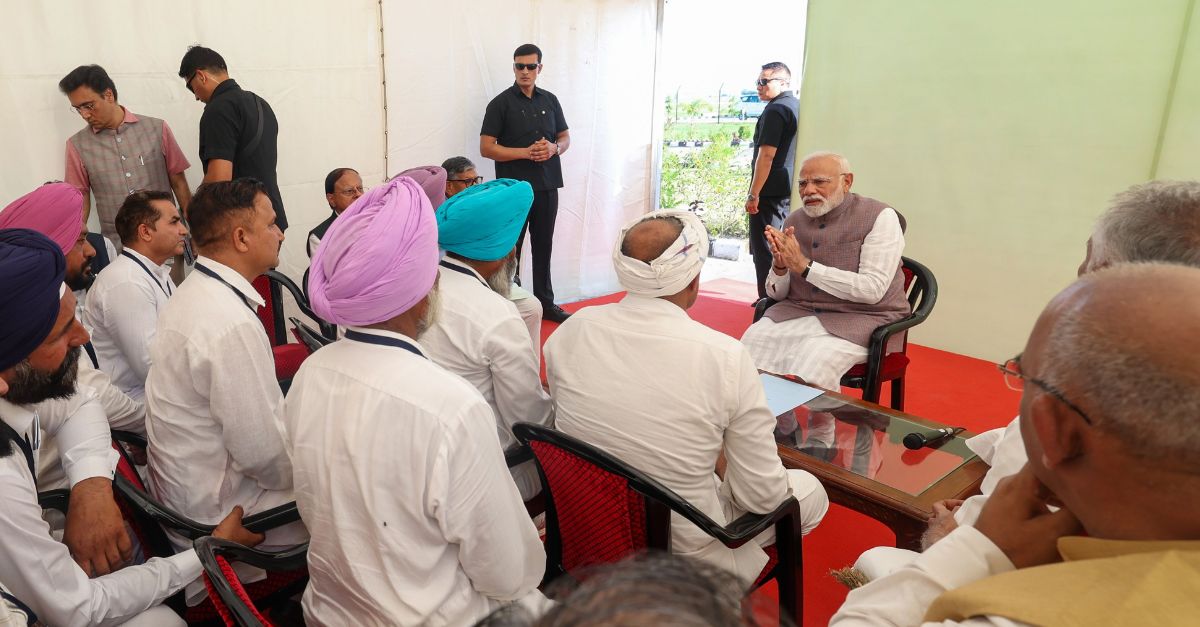
The prime minister is reviewing relief, rescue, and rehabilitation operations in Himachal Pradesh. He is also meeting with survivors, families of victims, and members of emergency response teams. These include the National Disaster Response Force (NDRF), the State Disaster Response Force (SDRF), and Aapda Mitra volunteers.
During his stay in Kangra, Modi is chairing a high-level meeting with state and central officials. The agenda includes assessing the damage, tracking the pace of rescue missions, and ensuring that adequate relief reaches people in need. Himachal Pradesh has faced some of the heaviest rainfall in the region this monsoon season. Landslides have blocked highways and isolated villages, making relief work challenging.
The prime minister’s visit is also expected to speed up coordination between the central and state governments. Officials said that Modi wants to make sure rehabilitation work is carried out quickly and efficiently.
After he visits Himachal Pradesh, Modi is scheduled to travel to Punjab. He will conduct an aerial survey of flood-affected areas to get a first-hand view of the devastation. In Gurdaspur, he will hold a meeting with senior officials to evaluate the relief efforts.
The prime minister will also interact with survivors and with members of the NDRF, SDRF, and Aapda Mitra teams. These personnel have been working around the clock to rescue stranded residents, deliver essential supplies, and provide medical care.
Punjab, like Himachal Pradesh, has suffered major losses due to relentless rains. Villages near rivers and low-lying areas remain at risk as swollen streams continue to overflow. Officials fear that more damage could occur if the heavy rainfall persists.
The central government has already deployed additional resources to both Himachal Pradesh and Punjab. Relief supplies, including food, drinking water, and medicines, are being sent to the affected regions. The NDRF has set up camps in multiple locations, and helicopters are being used to airlift people from areas cut off by floods and landslides.
The prime minister emphasized that the government will continue to provide all possible support. He assured citizens that no effort will be spared in restoring normal life in the disaster-hit areas.
Experts say that rebuilding after such disasters requires both immediate action and long-term planning. Roads, bridges, and public infrastructure will need repairs, while thousands of displaced people must be rehabilitated. Officials in both states have already requested more funds from the central government to deal with the scale of the damage.
For residents, Modi’s visit brings a sense of reassurance. Survivors in the affected districts have expressed hope that the prime minister’s presence will accelerate relief and recovery. Many families have lost homes, farms, and livestock, leaving them uncertain about their future.