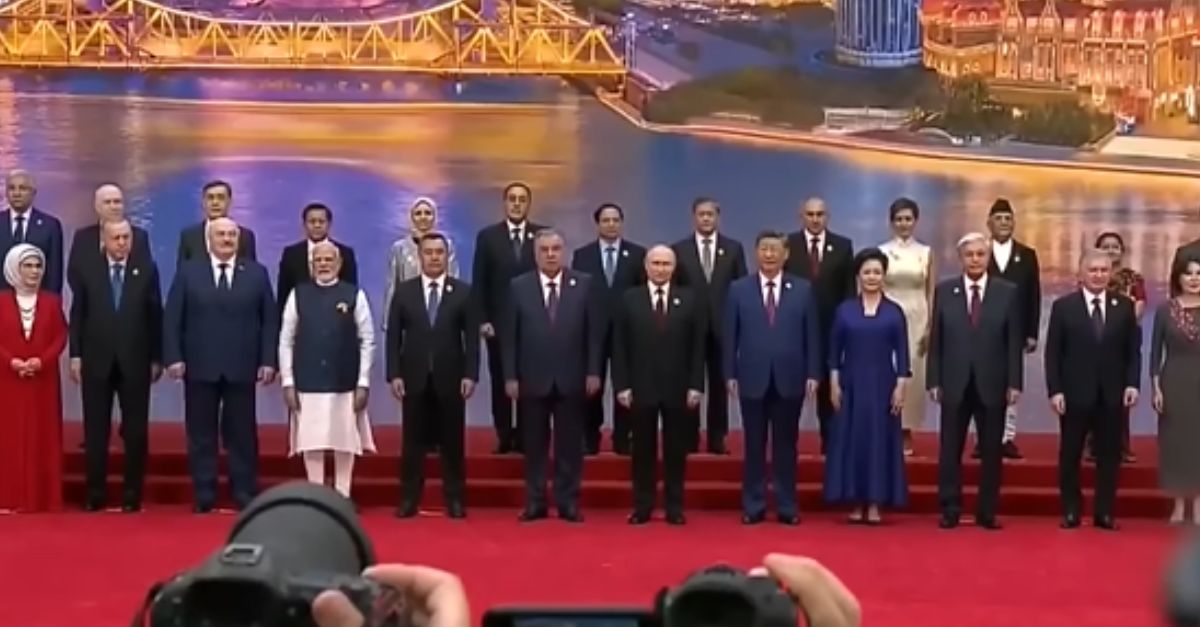
NEW DELHI (Diya TV) — Indian Prime Minister Narendra Modi, Russian President Vladimir Putin, and Chinese President Xi Jinping shared a light moment on the sidelines of the Shanghai Cooperation Organization (SCO) Summit in Tianjin. Their meeting highlighted growing cooperation between three of Eurasia’s largest powers at a time of shifting global politics.
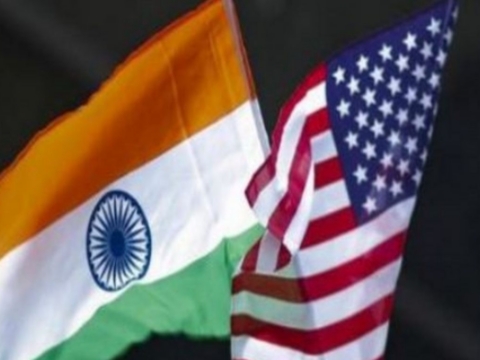
The SCO Summit has become a stage for India, China, and Russia to showcase unity. The leaders’ interaction sent a clear message to Washington. Relations between India and the United States have recently soured after President Donald Trump imposed heavy trade tariffs.
Modi, Putin, and Xi were seen walking together and later laughing during their talks. Their public camaraderie signaled stronger coordination among the three nations. It also showed that India, despite U.S. pressure, values its long-standing ties with Russia and is working to reset its relationship with China. Modi and Putin are expected to hold bilateral talks during the summit. Their meeting will reinforce India’s diplomatic position in Eurasia. Observers believe the talks will also cover energy cooperation, defense, and trade expansion.
During their walk together, Modi and Putin held hands. The gesture reflected trust and friendship between New Delhi and Moscow. It also indicated India’s resolve not to abandon Russia despite American warnings. Before the summit, Modi met Xi to address ongoing border tensions. Both leaders agreed to pursue a “fair, reasonable, and mutually acceptable” solution to their long-running disputes.
India and China also pledged to expand trade and investment ties. The move is seen as a way to stabilize global markets and ease regional friction. Modi invited Xi to attend the BRICS Summit in India next year, where New Delhi will hold the presidency. Xi thanked Modi for the invitation and assured China’s support.
While India, China, and Russia displayed unity, Pakistan appeared isolated. Prime Minister Shehbaz Sharif was seen standing alone in the background as Modi, Putin, and Xi interacted warmly. Tensions between India and Pakistan remain high after the deadly Pahalgam attack. Modi avoided any engagement with Sharif, signaling India’s firm stance against cross-border terrorism. At the SCO, Indian officials reiterated their position on terrorism and criticized Pakistan’s role in destabilizing the region.
The SCO meeting highlighted India’s careful balancing act. By deepening ties with Russia and improving relations with China, India is signaling that it will not bow to U.S. pressure. The joint appearance of Modi, Putin, and Xi is being read as a warning to Washington that Eurasia’s major powers can unite when needed.
The three leaders’ laughter was seen as symbolic. It represented a calm moment among them while leaving global observers, especially in Washington, uncertain about the future direction of India’s foreign policy.
The SCO Summit in Tianjin underscored India’s growing role in Eurasia. By maintaining ties with Russia and cautiously engaging with China, India aims to secure its strategic interests while countering challenges from the West and Pakistan.
As Modi prepares to host the BRICS Summit next year, New Delhi’s role as a diplomatic bridge between major global powers is expected to strengthen. The image of Modi, Putin, and Xi laughing together may well become the defining symbol of India’s foreign policy shift in 2025.