
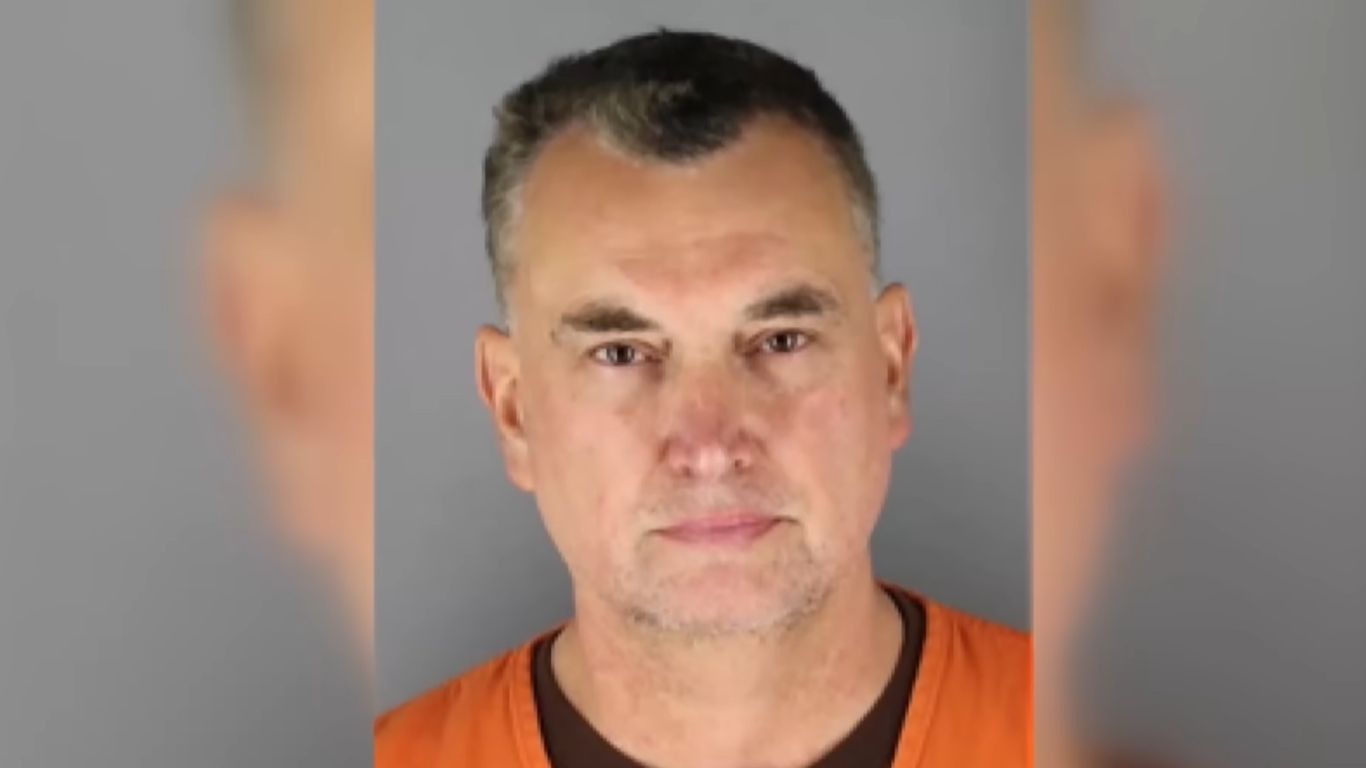
MINNEAPOLIS, Minn. (Diya TV) — A federal judge on Thursday sentenced Vance Boelter to life in prison for killing a Minnesota lawmaker and her husband and for shooting another lawmaker and his wife. The sentence closed one chapter in a case that shocked the state and raised fresh concerns about political violence across the United States.
Boelter, 59, pleaded guilty in June to two counts of murder, stalking and federal firearm charges. In return, prosecutors agreed not to seek the death penalty. U.S. District Judge John R. Tunheim imposed two life sentences plus 40 years in prison, matching the plea agreement reached by both sides.
Judge Tunheim described the attack as a direct assault on public officials and democratic institutions. He said the violence changed Minnesota and left lasting pain for many families and communities.
The attacks took place during the early hours of June 14, 2025. Prosecutors said Boelter carefully planned the shootings for months. He gathered information about elected officials and then targeted Democratic lawmakers at their homes.
According to court records, Boelter first drove to the home of state Sen. John Hoffman and his wife, Yvette Hoffman. He disguised himself as a police officer by wearing a fake uniform and a realistic silicone mask. He also drove a vehicle fitted with emergency lights to make the disguise appear real.
Boelter told the family he was a law enforcement officer. After entering the home, he shot both John and Yvette Hoffman while their daughter was present. Although both suffered serious injuries, they survived the attack. Their daughter quickly called authorities, which launched a statewide manhunt.
Boelter then visited the homes of two other Democratic lawmakers. However, he did not find either target. After that, he drove to the home of former Minnesota House Speaker Melissa Hortman and her husband, Mark Hortman.
Boelter again claimed he was a police officer responding to a welfare check. Mark Hortman questioned him and asked for his name and badge number. Moments later, Boelter shot him. He then entered the home and fatally shot Melissa Hortman upstairs.
The killings stunned Minnesota residents. Furthermore, they sparked fears about growing political violence in the country. Investigators have said Boelter never offered a clear or consistent motive for the attacks.
During Thursday’s hearing, Boelter apologized to the victims and their families. He told the court he was sorry for the pain, sadness, confusion and loss that his actions caused.
Even so, the emotional hearing focused largely on the lasting impact of the attacks. Family members and friends described deep grief, ongoing fear and painful memories that continue to shape their daily lives.
Yvette Hoffman told the court she no longer feels comfortable opening her door to strangers. Meanwhile, Melissa Hortman’s son, Colin Hortman, recalled how deeply he missed his parents during his wedding. Instead of sharing a traditional dance with his mother, he spent the moment grieving with family members.
Melissa Hortman’s daughter, Sophie Hortman, also shared an emotional memory. She said she and her brother had to decide whether to put down the family dog, Gilbert, after the animal suffered severe injuries during the shooting. After speaking with a veterinarian, they agreed to end the dog’s suffering because they believed he belonged with their parents.
Although many relatives accepted the life sentence, not everyone agreed with the plea deal. Mark Hortman’s father criticized federal prosecutors for dropping the death penalty. He said the decision denied the family a full public trial.
Still, U.S. Attorney Daniel N. Rosen defended the agreement after Boelter entered his guilty plea. He said securing a guaranteed life sentence without the uncertainty of a trial served the interests of justice.
Court documents also revealed more about Boelter’s planning. Investigators said he spent months researching public officials before carrying out the attacks. They also noted that he later made several unsupported claims about his actions. In letters and public statements, Boelter blamed Democratic leaders and later connected the shootings to claims about vaccine investigations. Authorities found no evidence supporting those assertions.
Boelter’s attorneys recently asked the court to allow him to serve his sentence at a federal prison in Florida. However, prison officials will make the final placement decision.
The sentence brings legal closure to one of Minnesota’s most devastating political crimes. However, for the victims, their families and the wider community, the emotional scars remain. The case also stands as a reminder of the dangers public officials can face and the lasting consequences of political violence.


