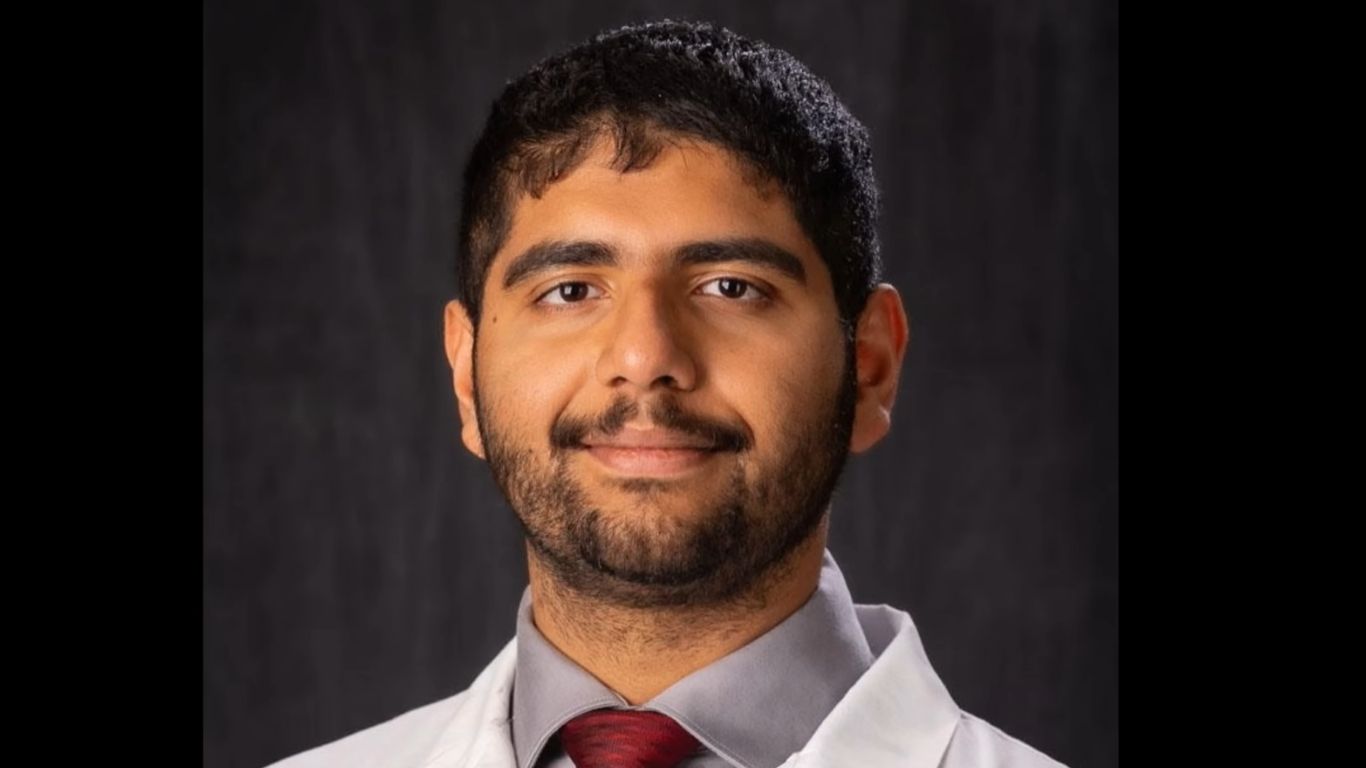
EL PASO, Texas (Diya TV) — The death of a medical student at Texas Tech University Health Sciences Center El Paso has sparked questions about how universities handle student misconduct allegations. Now, the student’s parents blame the school and say the pressure their son faced contributed to his death.
Vaibhav Duggal, a third-year medical student, died by suicide after the university investigated a complaint that arose during his clinical training. His parents argue that school officials acted unfairly and failed to provide proper support during the process. The case has drawn attention from students, educators, and mental health advocates across the country.
The events began on July 28, 2025, when Duggal met with Dr. Charmaine Martin, dean of the Texas Tech University Health Sciences Center El Paso. The meeting focused on a complaint from a patient whom Duggal had seen during an obstetrics and gynecology clinical rotation several days earlier. According to the complaint, the patient accused Duggal of asking inappropriate questions about her relationship status during the appointment. She also claimed that he followed her on social media after the visit.
Duggal denied that he acted unprofessionally during the medical encounter. He maintained that his questions followed standard procedures often used during sexually transmitted disease screenings. However, he acknowledged that he followed the patient on Instagram. He later blocked her account after realizing that the action could create concerns about professional boundaries.
The complaint triggered an internal review by the medical school. As a result, Duggal faced scrutiny during a period that his family says became emotionally overwhelming. His parents believe the investigation placed intense pressure on him and damaged his future prospects in medicine. The tragedy has raised broader concerns about student well-being in medical education. Medical students often face demanding schedules, academic pressure, and emotional stress. When disciplinary investigations occur, those challenges can become even more difficult.
Mental health experts say schools must balance accountability with student support. Institutions have a responsibility to investigate complaints thoroughly. At the same time, they should ensure that students have access to counseling and other resources throughout the process. Supporters of the university argue that schools must take patient concerns seriously. Medical programs have strict professional standards because students work directly with patients. Therefore, administrators often review complaints carefully to protect patient trust and safety.
Still, critics say disciplinary procedures should remain transparent and fair. They argue that students deserve clear communication, due process, and access to mental health services while investigations move forward.