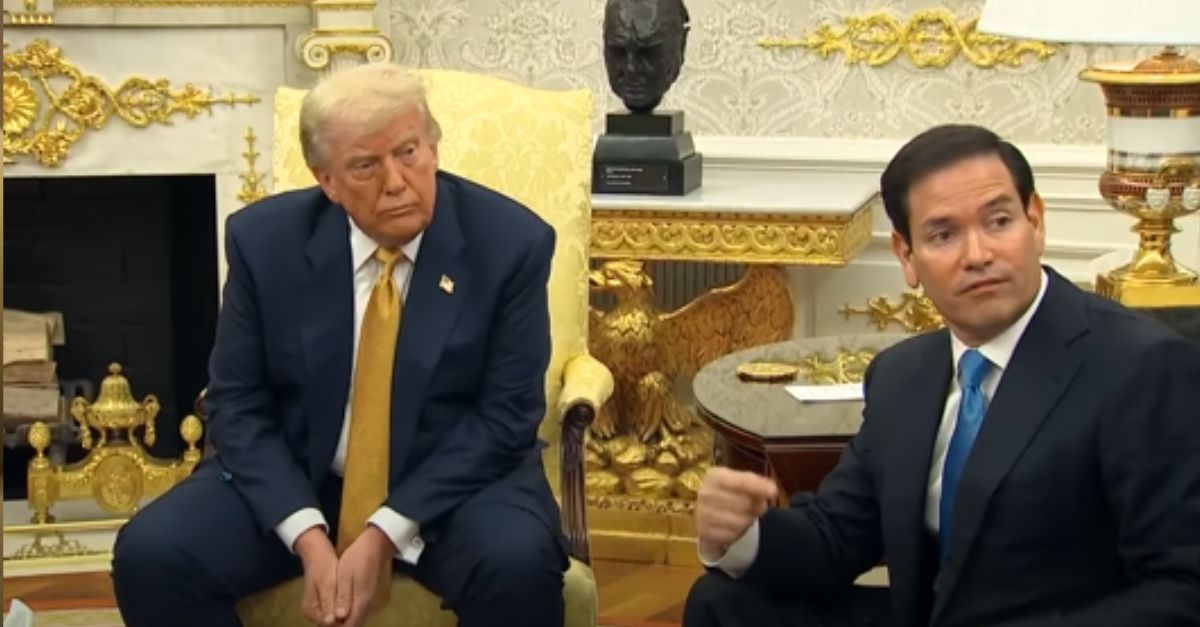
WASHINGTON (Diya TV) — U.S. Secretary of State Marco Rubio said Sunday that the United States has been tracking the situation between India and Pakistan every day since the two nations announced a ceasefire. He made the remarks during NBC News’s Meet the Press, where he discussed global flashpoints and the challenges of sustaining peace.
Rubio stressed that Washington watches regions with high tensions closely. “Every single day we keep an eye on what’s happening between Pakistan and India, what’s happening between Cambodia and Thailand,” he said. His comments came as Ukraine’s President Volodymyr Zelensky prepares for a key visit to the White House on Monday.
The top U.S. diplomat said that calls for ceasefires in ongoing wars remain difficult to achieve. He pointed to Russia’s refusal to halt hostilities in Ukraine as an obstacle to peace. “The only way to have a ceasefire is for both sides to agree to stop firing at one another. The Russians have not agreed to that,” Rubio explained.
Rubio also warned that maintaining a truce can be harder than reaching one. He cited Ukraine’s war, now in its fourth year, as a case where any agreement could quickly collapse. “Ceasefires can fall apart very quickly, especially after a three-and-a-half-year war like what we’re facing now,” he said. He emphasized that lasting peace must prevent both current and future conflict, not just pause fighting.
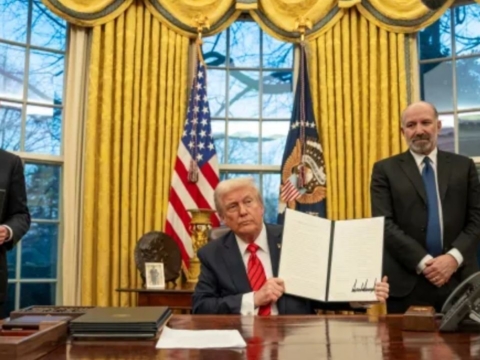
The U.S. has long maintained that its role is to encourage dialogue, though past claims by American leaders have stirred controversy in South Asia. President Donald Trump repeatedly took credit for the ceasefire between India and Pakistan. He linked his intervention to the halt in hostilities that followed India’s Operation Sindoor, which was launched after the Pahalgam terror attack.
India firmly denied Trump’s claims at the time. New Delhi has consistently said that all matters with Pakistan are handled bilaterally, with no third-party mediation. In a special Parliament session on Operation Sindoor, Prime Minister Narendra Modi made clear that no global leader asked India to end its military response. “We had said from day one that our action was non-escalatory. No leader in the world asked us to stop Operation Sindoor,” Modi told lawmakers.
External Affairs Minister S. Jaishankar echoed that message. He explained that the ceasefire decision was taken independently by India and not influenced by outside pressure. He also rejected Trump’s suggestion that trade talks were linked to the truce. “The ceasefire was not the result of any foreign intervention,” Jaishankar stated in Parliament.
Despite India’s denials, Pakistan nominated Trump for the Nobel Peace Prize for his supposed role. The move drew criticism in New Delhi and fueled debate over U.S. involvement in South Asian affairs. India has long opposed foreign mediation, arguing that bilateral talks are the only path to resolution.
Rubio’s latest remarks highlight the continuing focus of Washington on global hotspots. By naming India and Pakistan, along with Cambodia and Thailand, he underlined America’s wider interest in regional stability. His comments also set the stage for upcoming discussions with Ukraine’s leadership, as Washington seeks a framework that might eventually lead to peace in Europe.
The reference to South Asia serves as a reminder of how fragile ceasefires can be. India and Pakistan have fought multiple wars since their independence, and cross-border tensions remain high. The ceasefire agreement remains in place, but both sides accuse each other of violations. For Washington, keeping watch “every single day” signals an ongoing concern that any breakdown could spark new violence in the region.
As Rubio prepares to meet foreign leaders in the coming weeks, his remarks show a clear U.S. message. The United States supports peace but recognizes that without mutual trust, ceasefires often collapse. In South Asia, that message is particularly sensitive. India continues to insist that it manages its security, while Pakistan often looks abroad for support. The divide underscores the complexity of achieving lasting stability in one of the world’s most volatile regions.