NEW YORK (Diya TV) — Eight Democratic lawmakers in the United States have written to India’s ambassador in Washington, urging Indian authorities to grant bail and ensure a fair, timely trial for student activist Umar Khalid, who has been jailed for more than five years under India’s anti-terror law without the start of a full trial.
The letter has renewed international attention on Khalid’s prolonged detention and sparked sharp political reactions in India, where the case remains deeply contested.
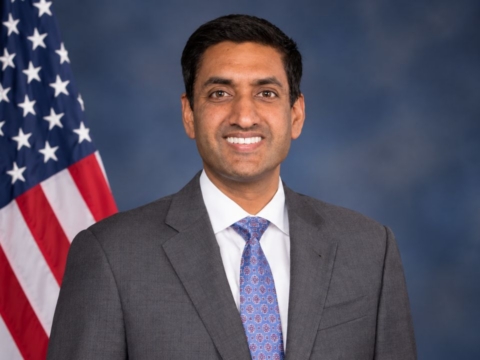
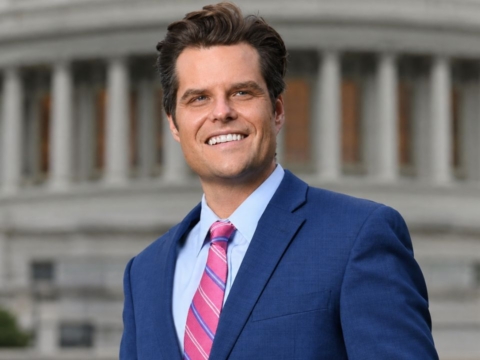
The letter, dated Dec. 30, 2025, was addressed to India’s Ambassador to the U.S., Vinay Kwatra. It was led by Representatives Jim McGovern and Jamie Raskin and signed by Senators Chris Van Hollen and Peter Welch, along with Representatives Pramila Jayapal, Jan Schakowsky, Rashida Tlaib and Lloyd Doggett.
The lawmakers said Khalid’s continued incarceration without trial raises serious concerns about due process and equality before the law. They questioned whether holding him for nearly five years without bail meets international legal standards.
The signatories stressed their respect for India’s democratic institutions. At the same time, they asked why Khalid’s trial has not yet begun and urged authorities to either start proceedings within a reasonable time or release him on bail.
McGovern later shared the letter on social media, saying he and Raskin had met Khalid’s parents in Washington earlier in December. He said the group was appealing for a fair and timely trial in line with international law.
Umar Khalid, a former Jawaharlal Nehru University student, was arrested in September 2020. Police accused him of being part of a larger conspiracy behind the February 2020 Delhi riots. The violence left 53 people dead and more than 700 injured.
Authorities booked Khalid under the Unlawful Activities (Prevention) Act, or UAPA. The law allows long pretrial detention if courts find the accusations to be prima facie true. Khalid has denied the charges and says he is being punished for dissent.
His bail plea remains pending before the Supreme Court of India. Lower courts have repeatedly denied him regular bail, citing the seriousness of the allegations and the legal bar set by the UAPA.
Indian courts have granted Khalid interim bail on limited occasions. In December 2025, a Delhi court allowed him temporary release from Dec. 16 to Dec. 29 to attend his sister’s wedding.
The court imposed strict conditions. Khalid had to avoid social media, limit contact to family and friends, and stay only at home or wedding venues. He also had to share his phone number with investigators and surrender back to prison after the ceremonies.
He has received similar short-term relief in earlier years for family events. These orders, however, did not change his custody status in the main conspiracy case.
The US lawmakers’ intervention drew criticism from India’s Bharatiya Janata Party. BJP spokesperson Pradeep Bhandari accused opposition leader Rahul Gandhi and the Congress party of encouraging foreign criticism of India’s institutions.
In social media posts, Bhandari pointed to meetings between Gandhi and some US lawmakers who signed the letter. He said such actions weaken India and seek to dilute its anti-terror laws.
The BJP has defended the UAPA and the courts’ decisions, arguing that national security cases require a higher threshold for bail.
Human rights groups and legal experts continue to question the prolonged use of pretrial detention under the UAPA. They argue that extended incarceration without trial can violate principles of proportionality and fairness.
Supporters of the law counter that UAPA cases involve complex conspiracies, large volumes of evidence and serious threats to public order. They cite Supreme Court rulings, including the 2019 Watali judgment, which directs courts to deny bail if the prosecution’s case appears credible at an early stage.
Courts have also noted that trial delays affect many undertrials across India, not just those charged under anti-terror laws.
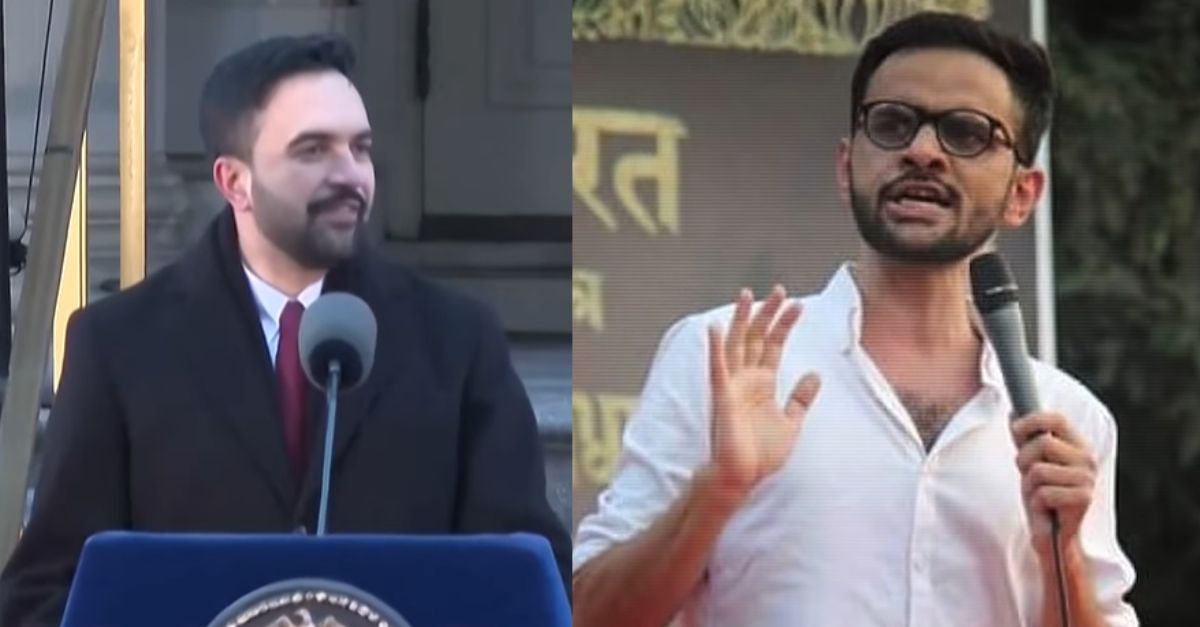
The letter from US lawmakers follows other gestures of support abroad. New York Mayor Zohran Mamdani recently met Khalid’s parents and sent a handwritten note expressing solidarity, which was shared online by Khalid’s partner.
The lawmakers said their appeal reflects the shared democratic values of the United States and India. They asked Indian authorities to provide updates on steps taken to ensure Khalid and others receive a fair trial.