
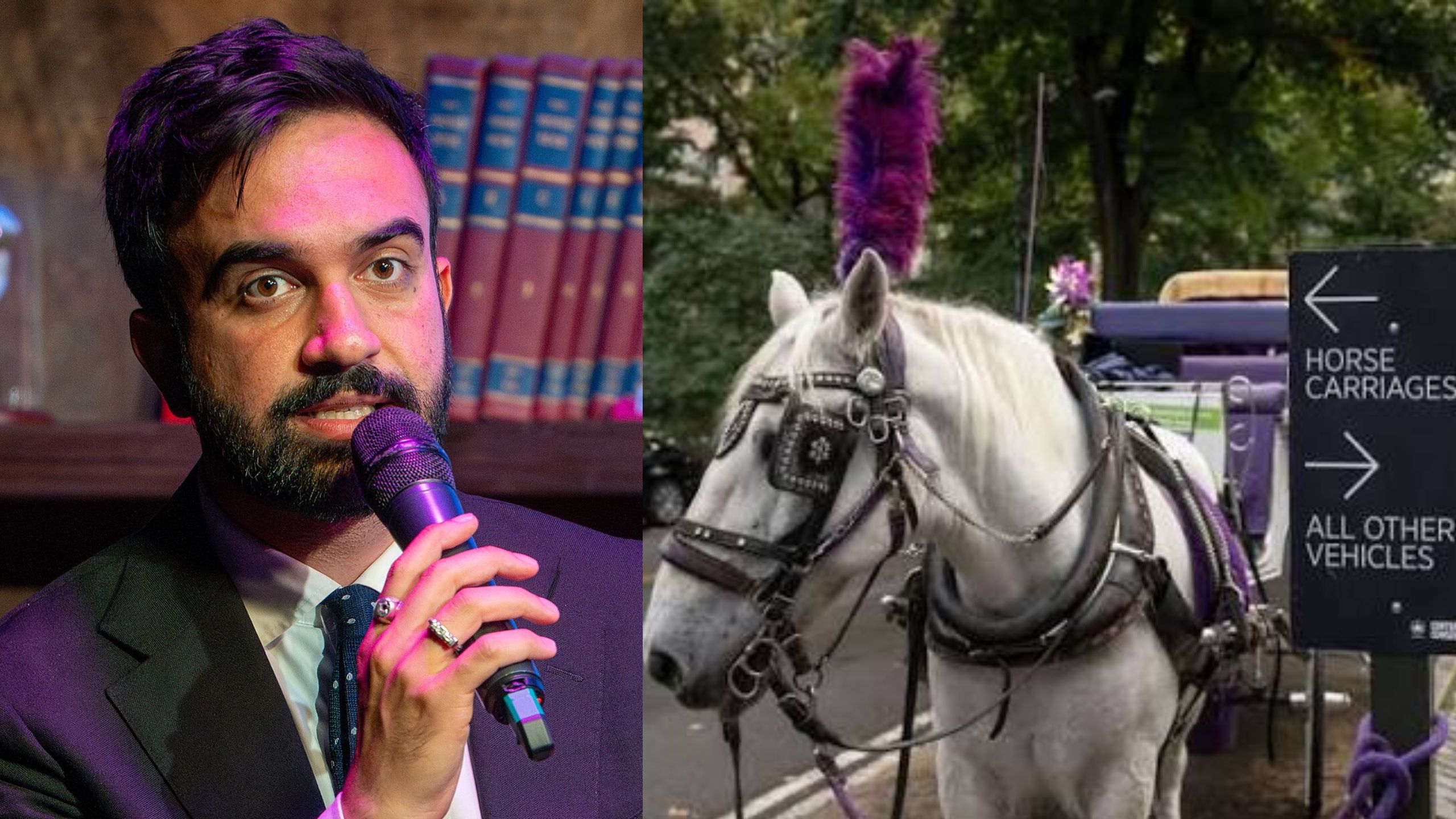
NEW YORK (Diya TV) — New York City is exploring electric carriages and pedal-assist e-bikes as possible replacements for horse-drawn carriages in Central Park. The proposal comes as the city prepares to end its historic horse-carriage industry in June 2028.
Mayor Zohran Mamdani announced the idea Tuesday as part of a broader plan to help carriage drivers transition to new jobs. However, the proposal has raised concerns among transportation advocates, park officials and workers who fear the changes could affect public safety and livelihoods.
The city plans to conduct a feasibility study to examine whether electric carriages could operate inside Central Park or along its perimeter. Officials will also consider pedal-assist e-bikes as potential alternatives to traditional horse-drawn carriages.
The move follows a City Council vote in October to ban horse-drawn carriages. The measure received a veto-proof 40-7 vote and aims to end a tradition that has lasted about 150 years.
Although the city wants to explore alternative transportation options, the proposal has drawn criticism from several groups. The Central Park Conservancy, which supports the horse-carriage ban, said electric carriages could undermine the safety goals behind the legislation.
The organization argued that introducing electric vehicles into the park could create new risks for pedestrians and other visitors. Moreover, it warned that the proposal could reverse decades of efforts to limit vehicle traffic inside Central Park.
New York City banned cars from Central Park in 2018 after years of advocacy. Therefore, the conservancy believes electric carriages could threaten that progress.
Meanwhile, some activists have also raised concerns about e-bikes and other electric vehicles in the park. They say reckless riding has created safety problems for pedestrians and visitors.
Janet Schroeder, spokesperson for the E-Vehicle Safety Alliance, criticized the proposal. She argued that the park needs fewer electric vehicles, not more.
The Mamdani administration also released a framework to help carriage drivers find new employment. The plan includes career training, tuition assistance, and stipends for educational programs.
The city created the Horse Carriage Worker Industry Program to support workers during the transition. The program will connect drivers with potential employers and help them explore new career opportunities.
Additionally, LaGuardia Community College will offer training programs for workers. College President Kenneth Adams said participants could choose from more than 60 programs. These include skilled trades, information technology, health care, and veterinary technology.
The city also plans a buyback program for 68 licensed carriage owners who purchased medallions from the city. However, officials have not yet explained the program’s payment details or eligibility requirements.
City Hall expects to release a more comprehensive transition plan in April 2027. As a result, workers may have limited time to prepare before the ban takes effect.
The Transport Workers Union Local 100 has criticized the city’s transition plan. Union President John Samuelsen said the legislation could eliminate an entire industry without guaranteeing financial support for workers.
He also questioned whether the city would provide enough money to help drivers secure new jobs. Furthermore, he warned that budget pressures could threaten funding for worker assistance.
The union plans to challenge the law in federal court after the mayor signs it. Samuelsen said the union would continue supporting carriage workers throughout the transition.
The debate highlights the challenges facing New York as it balances public safety, animal welfare, and workers’ economic security. While the city explores electric alternatives, questions remain about their safety, cost, and impact on Central Park.
Officials will face pressure to address those concerns before the horse-carriage ban takes effect in June 2028.