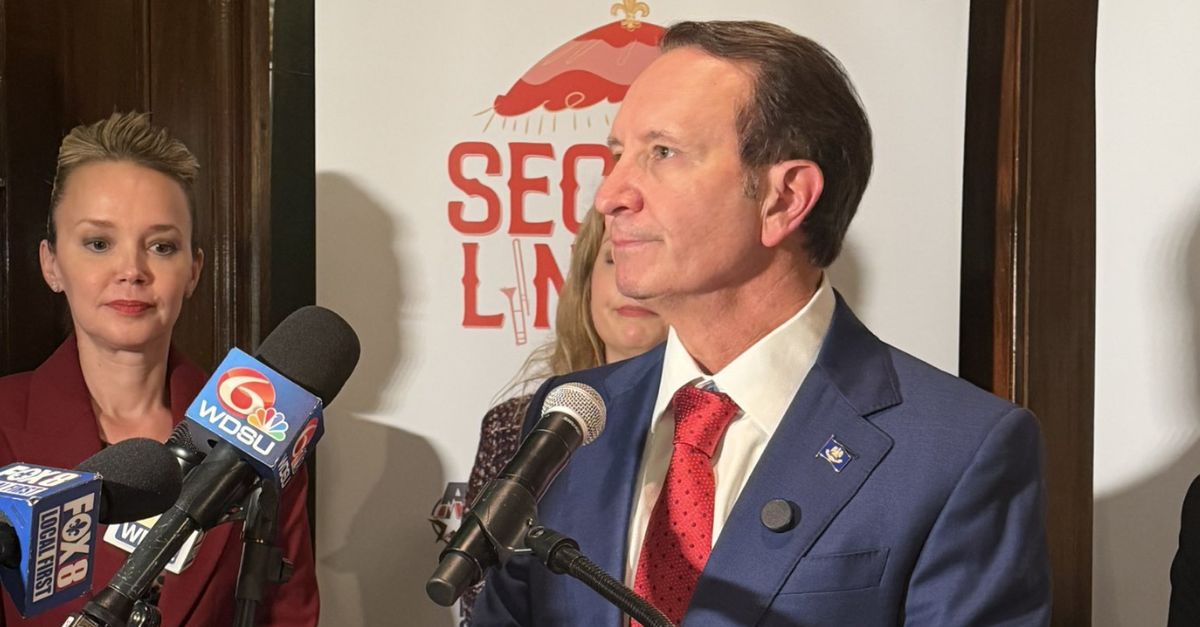
BATON ROUGE, La. (Diya TV) — Louisiana Gov. Jeff Landry is taking a unique approach as the U.S. special envoy on Greenland, even as President Donald Trump suggests the United States could take control of the Arctic island “whether its people like it or not.” Landry, a first-term Republican governor, has not met with Greenlandic diplomats and has not visited the island. Instead, he plans to attend a dog sled race in Greenland in March. The governor has said Greenlanders would feel at home in Louisiana, noting that they enjoy hunting, fishing, and “having a good time.”
Trump’s push to acquire Greenland, a semiautonomous territory of NATO ally Denmark, has raised concerns internationally. The president has repeatedly argued that the U.S. needs control of Greenland for national security. Landry’s role as special envoy elevates his national profile while putting him at the center of a sensitive diplomatic issue.
Landry brings his trademark Cajun accent and confrontational political style to the envoy role. Known for combative social media posts and aggressive stances on conservative issues, Landry has limited foreign diplomacy experience beyond economic development trips.
“Landry’s brand fits the political moment and fits neatly with this president’s goal,” said Mary-Patricia Wray, a Louisiana political consultant familiar with the governor.
Despite this, Landry’s office has been largely silent about his work as an envoy. He declined interview requests, and his spokesperson said the governor’s experience as a state leader is an asset for handling Greenland’s strategic issues. White House spokeswoman Anna Kelly said Landry “understands that Greenland is essential to our national security, vital to deterring our adversaries, and that Greenlanders would be better served by U.S. protection in the region.”
Critics remain skeptical. Peter Bisgaard, a former Danish consular officer, called the U.S. approach “asinine” and said, “You don’t negotiate the future of a country on social media.”
Greenland’s political leaders have rejected U.S. overtures. Danish officials have warned that any American attempt to seize Greenland could destabilize NATO, the alliance that has underpinned European security since World War II. The White House has not ruled out military action to secure Greenland.
Landry has focused on offering Greenland’s roughly 56,000 residents improved opportunities, including a better quality of life, in exchange for U.S. military presence and access to rare-earth minerals. Drawing on Louisiana culture, he has described this strategy as “culinary diplomacy,” highlighting food as a way to forge connections.
Landry gained recognition as the Louisiana attorney general, known for defending conservative policies on abortion and LGBTQ rights. Since becoming governor in 2023, he has pushed the state further right and drawn criticism for limiting transparency in lawmaking. Supporters say Landry’s bold style strengthens his negotiating position. His mentor, retired Louisiana lawmaker Fred Mills, said, “If you bring them some crawfish and start talking Cajun to them, I don’t think they’ll give you the country, but they’re going to like you.”
Landry’s ties to Trump run deep. He interviewed the president in 2015 during Trump’s first campaign and later received Trump’s endorsement for governor. Landry has embraced Trump-style policies in Louisiana, including expanding immigration detention and inviting federal support for state security issues.
Landry plans to attend a dogsledding event in Greenland in March after an invitation from a resident. Organizers of Greenland’s national dogsledding championship criticized the plan, calling it “wholly inappropriate.”
The governor’s office maintains that any work on Greenland is voluntary and not conducted as state business. Analysts say his mission tests his ability to navigate complex international negotiations while balancing a high-profile political image. As Trump’s administration continues its push for Greenland, Landry’s unconventional approach—part diplomacy, part Louisiana flair—may define the U.S. effort to secure a strategic Arctic territory.