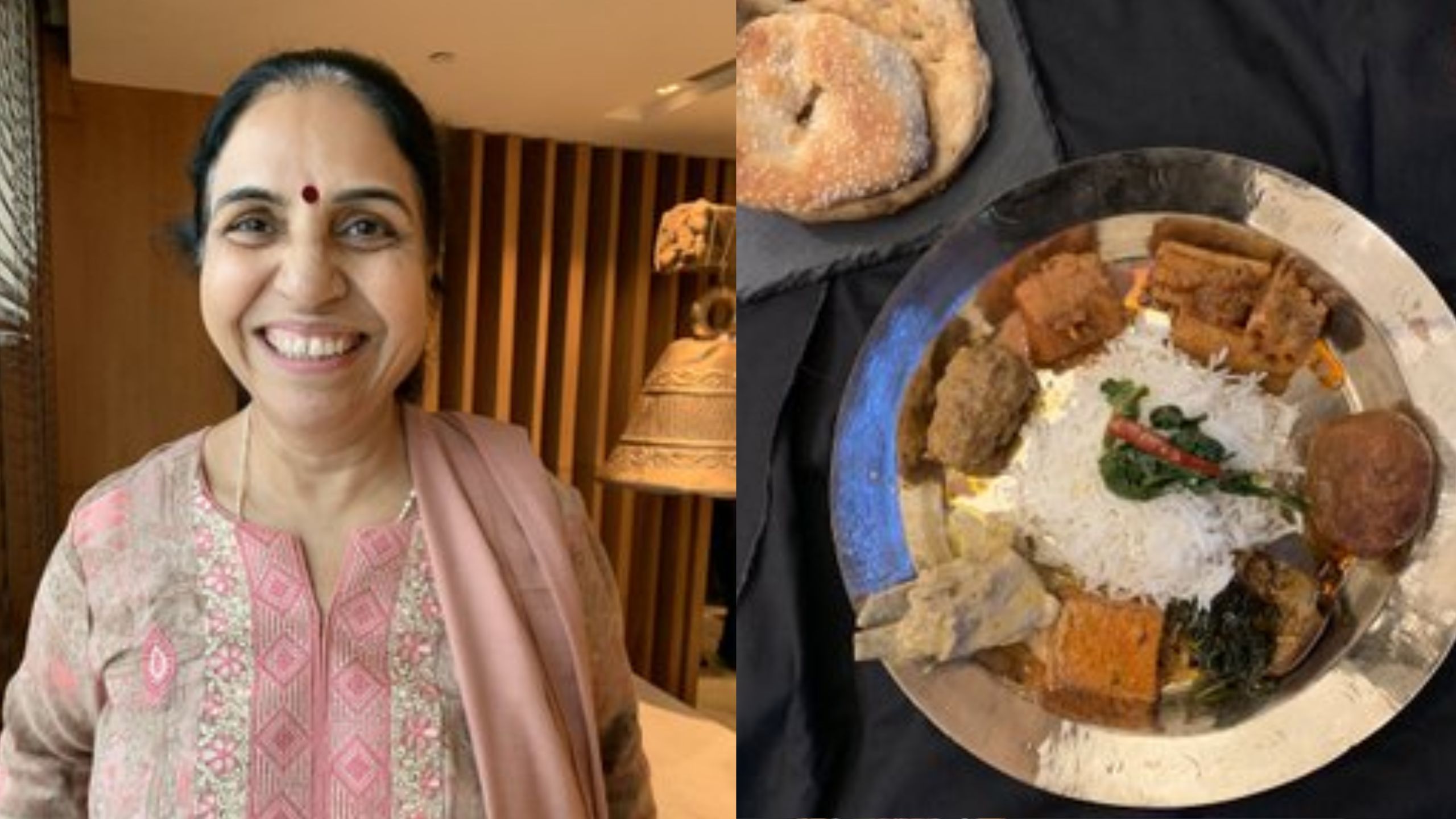
SRINAGAR, India (Diya TV)— The much-awaited fifth edition of Koshur Saal, a celebrated Kashmiri cookbook by Chandramukhi Ganju, has been released. This hardbound volume is the result of more than two decades of careful research, bringing together the region’s time-honored recipes in one definitive work.
Koshur Saal, which translates to “Kashmiri Feast,” goes beyond being just a cookbook. It serves as a bridge between generations, preserving recipes that have faded from everyday use. The book includes traditional dishes that carry cultural and religious significance, providing readers with more than just cooking instructions.
Every recipe comes with rich descriptions that place the dish in its historical, spiritual, and community context. This approach makes the book an important cultural record, safeguarding the culinary heritage of the Kashmiri Pandit community.
Ganju described her work as “more than a collection of recipes.” She sees it as a tool to connect the global Kashmiri diaspora through food. “This volume connects the global Kashmiri diaspora using food and cuisine as a way to reconnect with tradition, memory, and identity,” she said.
From iconic dishes like Rogan Josh and Dum Aloo to lesser-known delicacies such as Wugar Baata, Koshur Saal offers readers a full spectrum of Kashmir’s culinary heritage. Seasonal specialties and rare recipes find their place alongside well-loved classics, ensuring no part of the tradition is lost.
The fifth edition has been designed as a coffee-table-worthy volume. Its striking visuals and hardbound format make it ideal for gifting, collecting, or archiving. Each recipe is accompanied by vivid photographs that capture both the food and its essence, making the book as visually engaging as it is informative.
For home cooks, it offers clear, easy-to-follow instructions. For collectors and culture enthusiasts, it is a keepsake that reflects the artistry and devotion behind Kashmiri cooking.
Kashmiri cuisine is deeply rooted in ritual, tradition, and community life. Many dishes have religious or seasonal importance, with recipes passed down orally through generations. In recent decades, migration and modernization have threatened the continuity of these traditions.
Koshur Saal seeks to reverse that trend. By recording these recipes with their cultural context, Ganju preserves not only the flavors of Kashmir but also the stories, festivals, and customs tied to them.
This edition is especially significant for young Kashmiris living outside the region. It offers them a tangible connection to their roots, helping them understand the deeper meaning behind the food they eat.
The cookbook revives recipes that are rarely made today. Some of these were once staples in Kashmiri households but have since faded from daily cooking. Through detailed instructions and storytelling, Ganju ensures these dishes return to kitchens and dining tables.
The inclusion of seasonal delicacies also highlights the close relationship between Kashmiri cuisine and its natural environment. By following the rhythms of the seasons, the recipes promote a more sustainable and mindful way of cooking.
While the book is centered on recipes, it also reflects on identity, migration, and memory. For many in the Kashmiri diaspora, cooking these dishes is a way to keep their heritage alive. The flavors evoke childhood memories, family gatherings, and celebrations, allowing traditions to thrive even far from home.
In this sense, Koshur Saal is not just about preserving the past; it’s about ensuring the future of Kashmiri culinary culture. Ganju’s work stands as both a cookbook and a cultural archive, offering readers a way to engage with heritage through the universal language of food.