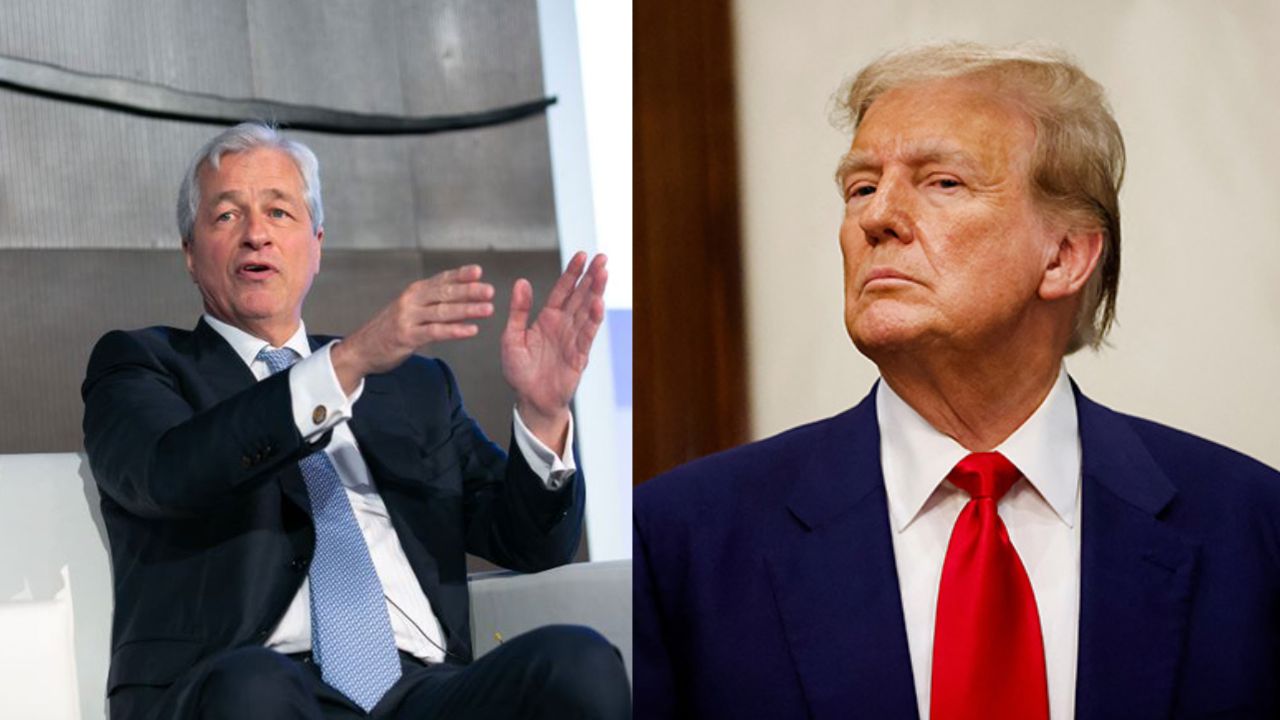
WASHINGTON (Diya TV) — President Donald Trump signed legislation that allows his administration to impose tariffs of up to 100% on imports from the five largest buyers of Russian oil and natural gas.
The Lindsey O. Graham Sanctioning Russia and Iran Act of 2026 also imposes sanctions on Russian officials, banks and vessels used to transport energy outside existing restrictions. Congress passed the measure with bipartisan majorities, and Trump signed it Sept. 18.
The law gives Trump broad discretion over which countries face tariffs and whether to grant waivers. The administration has not announced additional tariffs against India under the law.
India and China rank among Russia’s largest energy customers. The measure aims to reduce the energy revenue Moscow uses to finance its war in Ukraine.
JPMorgan Chase CEO Jamie Dimon urged Washington to consider India’s refining needs and the effect on global oil markets before imposing tariffs.
“If they don’t buy it here, they have to buy it elsewhere,” Dimon told CNBC-TV18 during JPMorgan’s investor conference in Mumbai. “It might not be the right kind of oil for those refineries.”
Dimon said the United States should continue supporting Ukraine but questioned whether oil tariffs offered the best way to pressure Russia. He also encouraged Washington and New Delhi to resume negotiations on a broader trade agreement.
India has defended its energy purchases as necessary to secure affordable supplies. Indian Ambassador to the United States Vinay Mohan Kwatra said availability, affordability, market conditions and commercial viability guide the country’s decisions. India imports more than 85% of its crude oil.
India’s Russian oil imports fell 16.5% in August from July to about 2.1 million barrels per day, according to trade data reviewed by Reuters. Russia remained India’s largest supplier and accounted for approximately 47% of its total crude imports that month.
India imported 4.44 million barrels per day overall in August, down 8.8% from July. Preliminary estimates indicate Russian shipments could fall to 1.9 million barrels per day in September as refiners seek additional supplies from other markets.