DETROIT, Mich. (Diya TV) — Canadian border officials have seized nearly 600 pounds of suspected methamphetamine at the U.S.-Canada border, raising concerns about cross-border drug trafficking and its impact on the Indian community abroad. Authorities say a 29-year-old Canadian national, Kulbir Singh, attempted to transport the drugs into Canada earlier this month. The major meth seizure comes at a time of strained relations between Ottawa and President Donald Trump’s administration. It has also sparked debate within the Indian diaspora, where some fear that criminal activities by a few individuals linked to Khalistani extremism may damage the reputation of law-abiding Indians in North America.
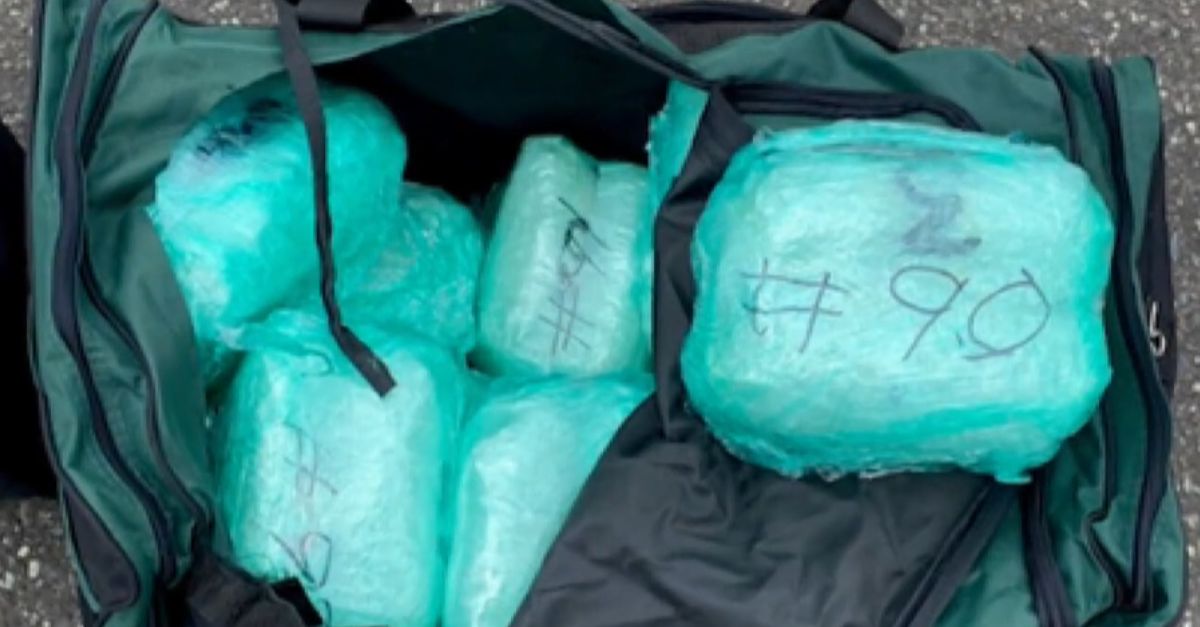
The Canada Border Services Agency said the incident occurred on Feb. 4 at the Blue Water Bridge port of entry. The bridge connects Port Huron, Michigan, and Sarnia, Ontario, and serves as a key trade and travel corridor between the United States and Canada. Officials said a commercial truck arriving from the United States was referred for a secondary inspection. During the search, officers, assisted by a detector dog, found 16 duffel bags filled with suspected methamphetamine hidden inside the trailer.
Authorities reported that the narcotics weighed 266.4 kilograms, or just over 587 pounds. Investigators charged Singh under Canadian law with importation of methamphetamine and possession of methamphetamine for trafficking. The agency’s Southern Ontario division said it has seized 616.5 kilograms of methamphetamine entering Canada from the United States since January 2025. Officials continue to investigate the source and intended distribution network tied to the seized drugs.
While authorities have not publicly detailed political or ideological affiliations in this case, concerns have emerged within sections of the Indian community about the broader narrative surrounding Khalistani-linked criminal networks.
Khalistani groups advocate for a separate Sikh homeland in India. Some factions have faced allegations of extremist activities. Community leaders say most Americans cannot easily distinguish between Khalistanis and the wider Indian population.
The meth bust unfolds against a backdrop of rising tension between Canada and the Trump administration. President Trump recently criticized Canada’s tariff policies and its negotiations with China.
In a social media post last week, Trump said he would not allow the opening of the Gordie Howe International Bridge until the United States receives what he described as fair compensation. The bridge, named after hockey legend Gordie Howe, will connect Detroit and Windsor, Ontario. Construction is ongoing, and officials expect it to boost cross-border trade.
Trump argued that Canada moved forward with the project with “virtually no U.S. content.” He also criticized Ontario’s decision to remove certain U.S. alcohol products from provincial liquor store shelves.
“I will not allow this bridge to open until the United States is fully compensated,” Trump wrote. He added that negotiations should begin immediately and suggested the United States should own at least half of the asset.
Canadian officials have not publicly responded to Trump’s latest remarks. However, trade experts say cross-border infrastructure projects such as the Gordie Howe International Bridge play a crucial role in strengthening economic ties between the two countries.