
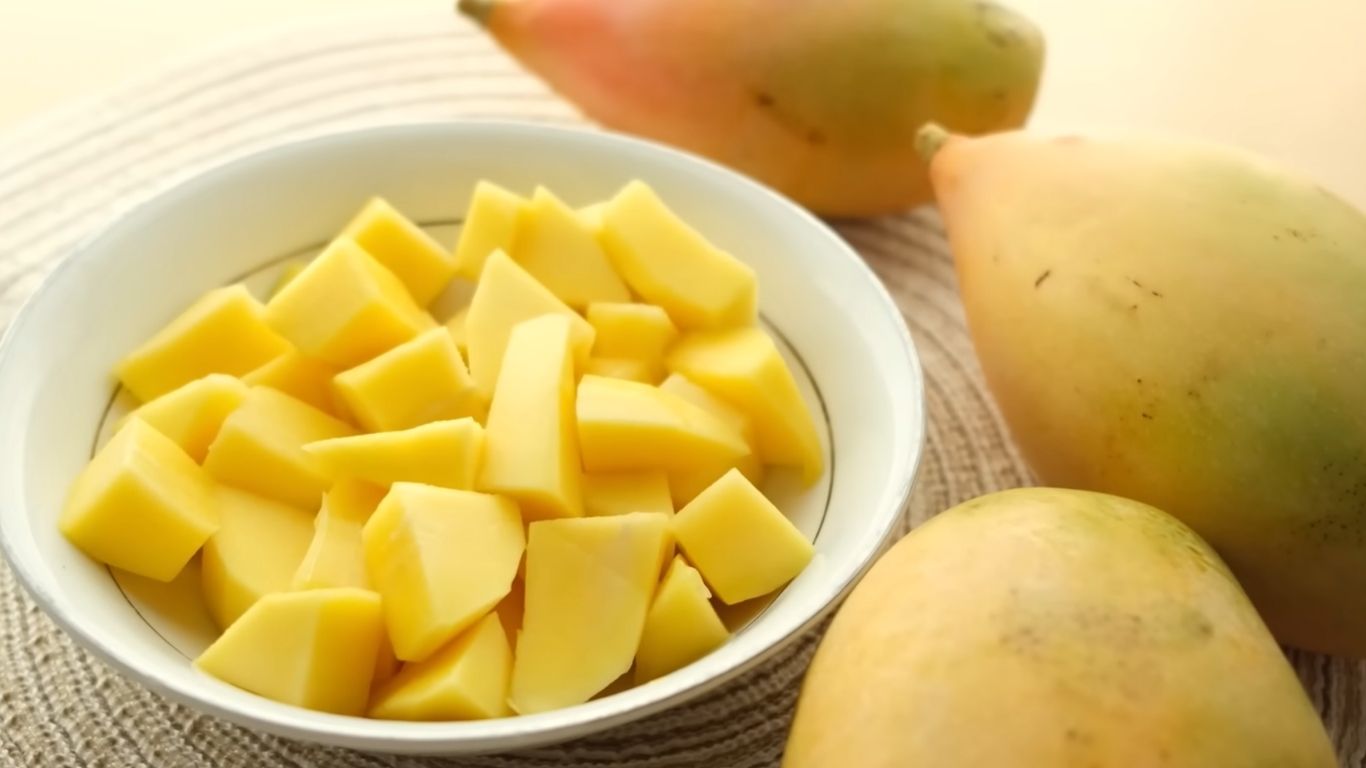
MUMBAI (Diya TV) — Every summer, a familiar frenzy grips parts of the United States. It is not about gadgets or fashion. It is about mangoes. Specifically, Indian mangoes are prized for their rich flavor, aroma, and sweetness. From The Wall Street Journal to social media, the buzz is hard to miss. Americans track shipments, rush to pick up boxes, and pay premium prices. For many, it is a seasonal ritual built around what is often called the “king of fruits.”
The demand for Indian mangoes in the U.S. has surged in recent years. Popular varieties such as Alphonso, Kesar, Chausa, and Langra now enjoy a loyal following far beyond the Indian diaspora.
Importers say customers often pre-order boxes weeks in advance. Some shipments sell out within hours. Prices can range from $50 to $60 per box, driven by high air freight costs and limited supply. According to the WSJ, the craze has reached new heights. Buyers closely follow flight arrivals. Some even wait at warehouses late at night to secure fresh stock.
What most consumers do not see is the complex journey these mangoes take before reaching American homes. At the center of this process is food irradiation. Facilities operated under India’s Department of Atomic Energy play a key role. One of the oldest is in Mumbai, where scientists prepare mangoes for export using advanced nuclear technology.
The process was developed by the Bhabha Atomic Research Centre. It uses controlled gamma radiation from Cobalt-60 to eliminate pests and extend shelf life. This step is critical. For decades, Indian mangoes faced a ban in the U.S. due to pest concerns. Traditional treatments used in other countries damaged delicate Indian varieties. Irradiation offered a safe and effective solution.
Farmers harvest mangoes at a specific stage, before they fully ripen. The fruit is then sent to certified irradiation facilities. Inside these plants, mangoes undergo a carefully controlled process. Gamma radiation kills harmful pests and slows the ripening process. This ensures the fruit stays fresh during its journey overseas. Experts emphasize that irradiation does not affect taste or quality. The mangoes retain their color, texture, and signature flavor. The only difference is a longer shelf life.
The breakthrough came in 2006, when the United States formally allowed imports of irradiated Indian mangoes. The decision followed an agreement between then-President George W. Bush and Prime Minister Manmohan Singh. Since then, exports have grown steadily. Today, four irradiation facilities in India meet U.S. standards. Together, they export around 30,000 metric tonnes of mangoes each year. The trade generates millions in revenue and supports farmers, exporters, and logistics providers across India.
Despite strong demand, the supply chain remains fragile. Mangoes must reach the U.S. within about a week of harvest. Exporters rely heavily on passenger flights, where cargo space is limited. Any delay — from missed flights to paperwork issues — can spoil entire shipments. Rising fuel costs and global uncertainties have added more pressure this year. In southern India, limited irradiation capacity has also created bottlenecks during peak season.
Interestingly, the demand now extends well beyond Indian communities in the U.S. Importers say many of their most loyal customers are Americans with no cultural ties to the fruit. Some companies have even introduced mango subscription services. These plans deliver weekly boxes throughout the season, sometimes costing close to $1,000.
Back in Mumbai, the process remains quiet and precise. Scientists continue their work behind thick concrete walls, far removed from the excitement overseas. Their efforts highlight a broader success story. Nuclear science, often associated with energy or defense, plays a vital role in agriculture and trade.
It helps protect crops, extend shelf life, and open global markets. In this case, it also fuels an unexpected obsession. As American demand grows, Indian mangoes stand as a symbol of innovation meeting tradition. What consumers taste is more than just fruit. It is the result of science, diplomacy, and a carefully managed journey across continents.


