WASHINGTON (Diya TV) — The Embassy of India has issued a warning about phone scams targeting both Indian and foreign nationals. The advisory comes after reports of fraudsters impersonating embassy officials and calling unsuspecting individuals to steal money or personal information.
The embassy said scammers have been spoofing its official telephone lines. This tactic makes it appear that calls are coming from the embassy when they are not. Recipients of these calls are often pressured to pay money or share sensitive information.
Officials emphasized that the embassy will never ask for payments over the phone. They also warned that legitimate staff members do not request personal details like bank account numbers or passwords in unsolicited calls.
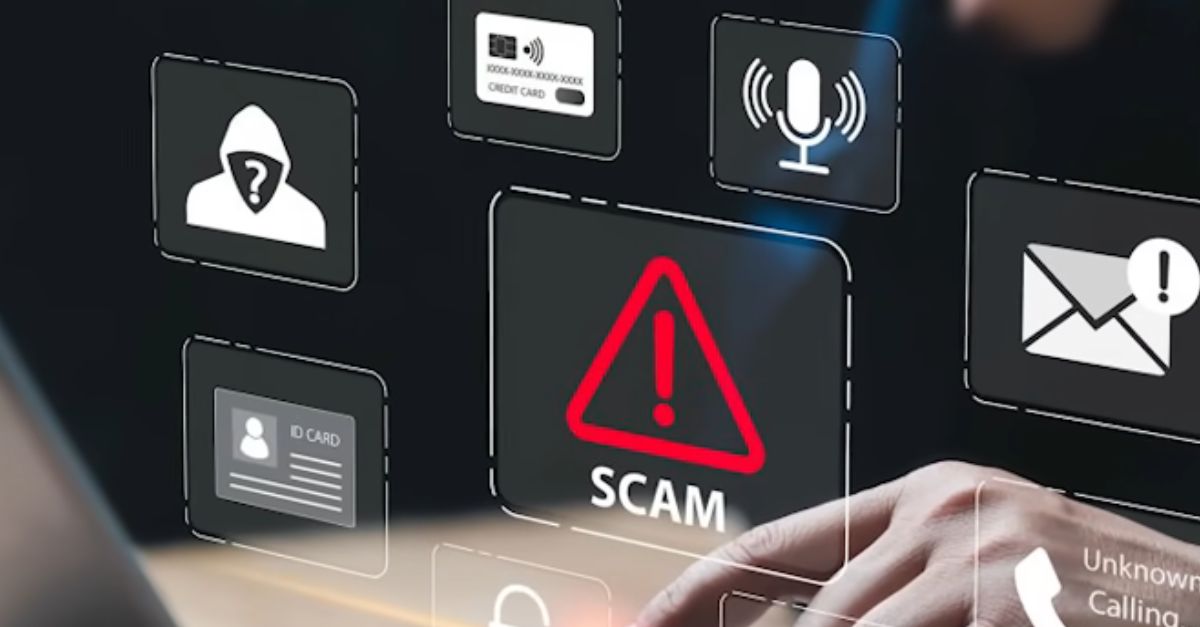
Fraudsters use a method called “caller ID spoofing” to hide their real phone numbers. This allows them to display a number that looks like it belongs to the embassy. Once contact is made, they pretend to be officials handling urgent matters. They may claim the victim owes taxes, fines, or fees.
Victims are often asked to transfer money immediately or provide confidential information. Some scammers use fear tactics, claiming legal trouble or deportation if the person does not comply. The embassy said these claims are entirely false.
The embassy advisory noted that anyone can be a target, including Indian citizens living abroad and foreign nationals. Scammers often target those who may not be familiar with official procedures.
Elderly individuals and students are especially vulnerable. Many victims are tricked because the calls seem legitimate. The embassy urged all citizens to remain cautious and verify any unusual requests independently.
Experts recommend several steps to avoid falling victim to phone scams. First, never share personal or financial information over the phone. If a caller claims to be from the embassy, hang up and call the official embassy number directly to verify.
Second, report suspicious calls immediately. The embassy has set up channels for reporting scams. Prompt reporting helps prevent others from being victimized.
Third, use technology wisely. Many smartphones have features that can block unknown or suspicious numbers. Additionally, apps can help detect and flag potential scam calls.
The Embassy of India said it is monitoring the situation closely. Officials are working with local authorities to investigate reports of fraud. They are also reminding citizens to stay alert and double-check any communication that seems unusual or urgent.
The embassy emphasized that it values the safety of its citizens. Officials urged the public not to be intimidated by threats or urgent requests. They stressed that legitimate embassy communications follow proper procedures and are verifiable.
Phone scams have increased globally in recent years. Criminals use advanced technology to deceive victims. Spoofing, phishing, and fake calls have become common methods for stealing money and identity.
Authorities recommend education and awareness as the most effective defense. By staying informed, individuals can avoid falling prey to these schemes. The embassy’s advisory is part of a larger effort to protect citizens worldwide from financial fraud and identity theft.