NEW DELHI (Diya TV) — India has resumed buying Russian oil after a short break, even as the United States raises tariffs and warns New Delhi against the trade. The move underscores India’s growing reliance on discounted Russian crude despite pressure from Washington.
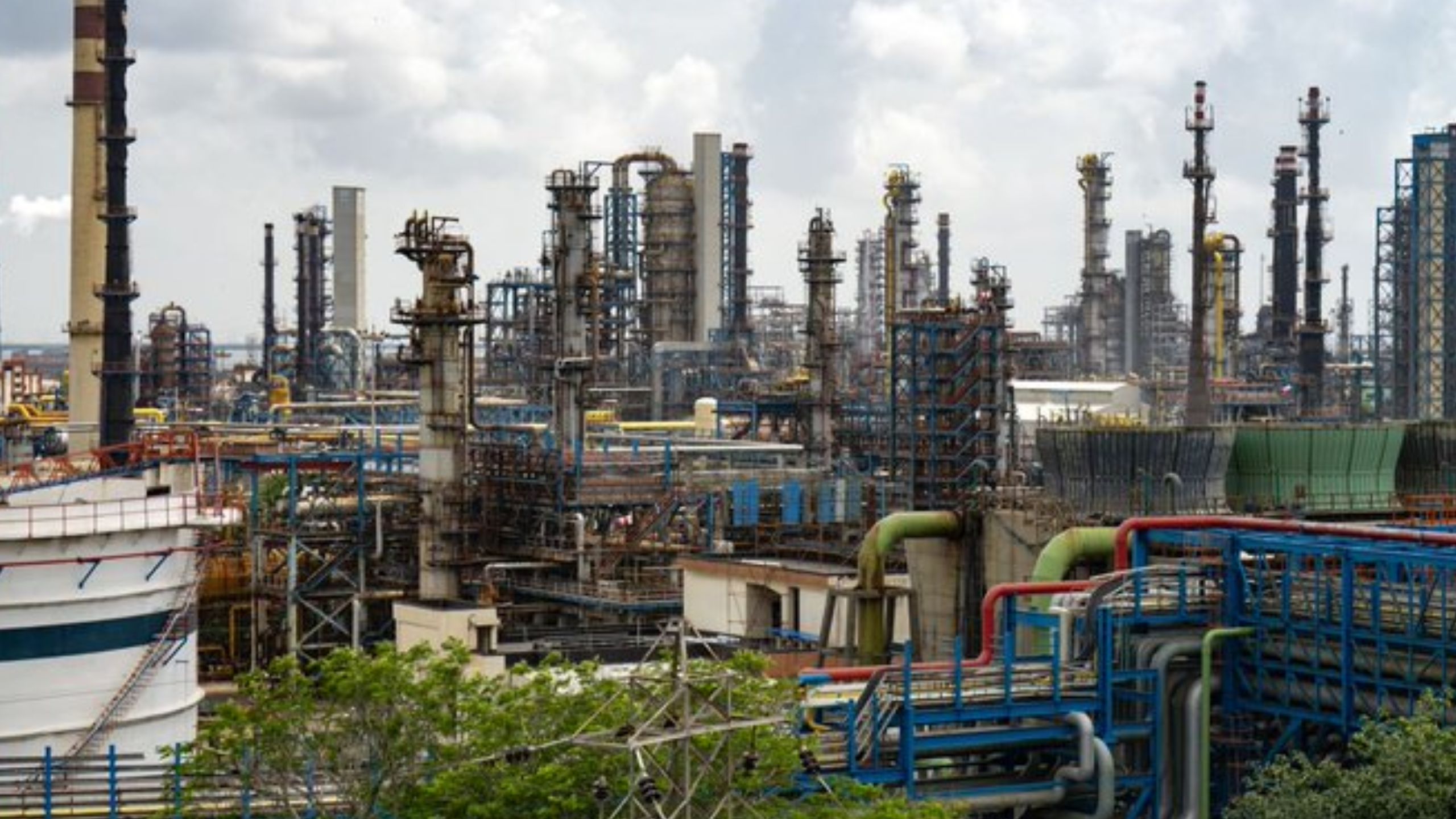
State-run refiners in India began purchasing Russian oil again this week after pausing earlier in August, Bloomberg News reported. Russian officials say the flow will continue at current levels. Evgeny Griva, Russia’s deputy trade representative in India, told reporters in New Delhi that bilateral trade is expected to grow about 10% a year.
India currently imports about 1.7 million barrels of oil per day from Russia. That figure accounts for nearly 37% of the nation’s overseas crude supply, making Moscow a vital energy partner. Russia sells its oil to India at about a 5% discount, giving Asia’s third-largest economy a cost advantage at a time of inflation concerns.
The oil purchases come as tensions rise between New Delhi and Washington. President Donald Trump has already imposed a 25% tariff on Indian goods and warned that the duty could double to 50% on Aug. 27. The penalty directly targets India’s $85 billion in exports to the United States.
Half of the tariff burden is linked to India’s imports of Russian crude, which U.S. officials say help fund President Vladimir Putin’s war in Ukraine. U.S. Treasury Secretary Scott Bessent repeated the warning on Tuesday, calling the duties “secondary tariffs for buying the sanctioned Russian oil.” He accused India of “profiteering” from the trade and claimed “some of the richest families in India” benefit from it.
Indian officials have rejected Washington’s criticism. The government has argued that buying the cheapest oil available is essential to keep prices under control at home. Officials called the tariffs “unreasonable” and warned that they would hurt both sides of the economic relationship.
Indian Prime Minister Narendra Modi reinforced ties with Moscow this week, calling Putin a “friend” after a phone call. Modi is also expected to travel to China later in August to meet President Xi Jinping, his first visit to Beijing in seven years. India has leaned closer to both Russia and China as U.S. trade tensions rise.
Indian External Affairs Minister Subrahmanyam Jaishankar is currently in Russia for a three-day visit. He is co-chairing bilateral talks on trade, science, and technology.
Moscow has pledged to support India as tariff tensions with the U.S. escalate. Roman Babushkin, a senior Russian diplomat in New Delhi, said Russia is ready to absorb more of India’s tariff-hit goods. He added that Moscow could also help India expand its defense industry, including local production of jet engines.
Russia’s energy sales have surged since 2022, when the Group of Seven nations placed a $60-per-barrel cap on Russian crude exports. The policy aimed to restrict the Kremlin’s revenues while keeping supplies flowing. That same year, India shifted away from its traditional dependence on Middle Eastern oil to embrace Russian imports.
The trade dispute leaves India walking a fine line. The U.S. remains India’s largest trading partner, while Russia ranks fourth. A sharp rise in U.S. tariffs would damage Indian exports, making them less competitive in global markets. At the same time, abandoning Russian crude would increase costs for Indian refiners and push up inflation at home.
For now, India is signaling that it will keep buying from Russia, prioritizing cheaper energy over American pressure. The government insists that its purchases are driven by economics, not politics.
As Washington threatens more tariffs, New Delhi’s choices could reshape its trade alliances. The outcome will not only test India’s diplomatic balance but also affect global oil flows and the future of U.S.-India ties.