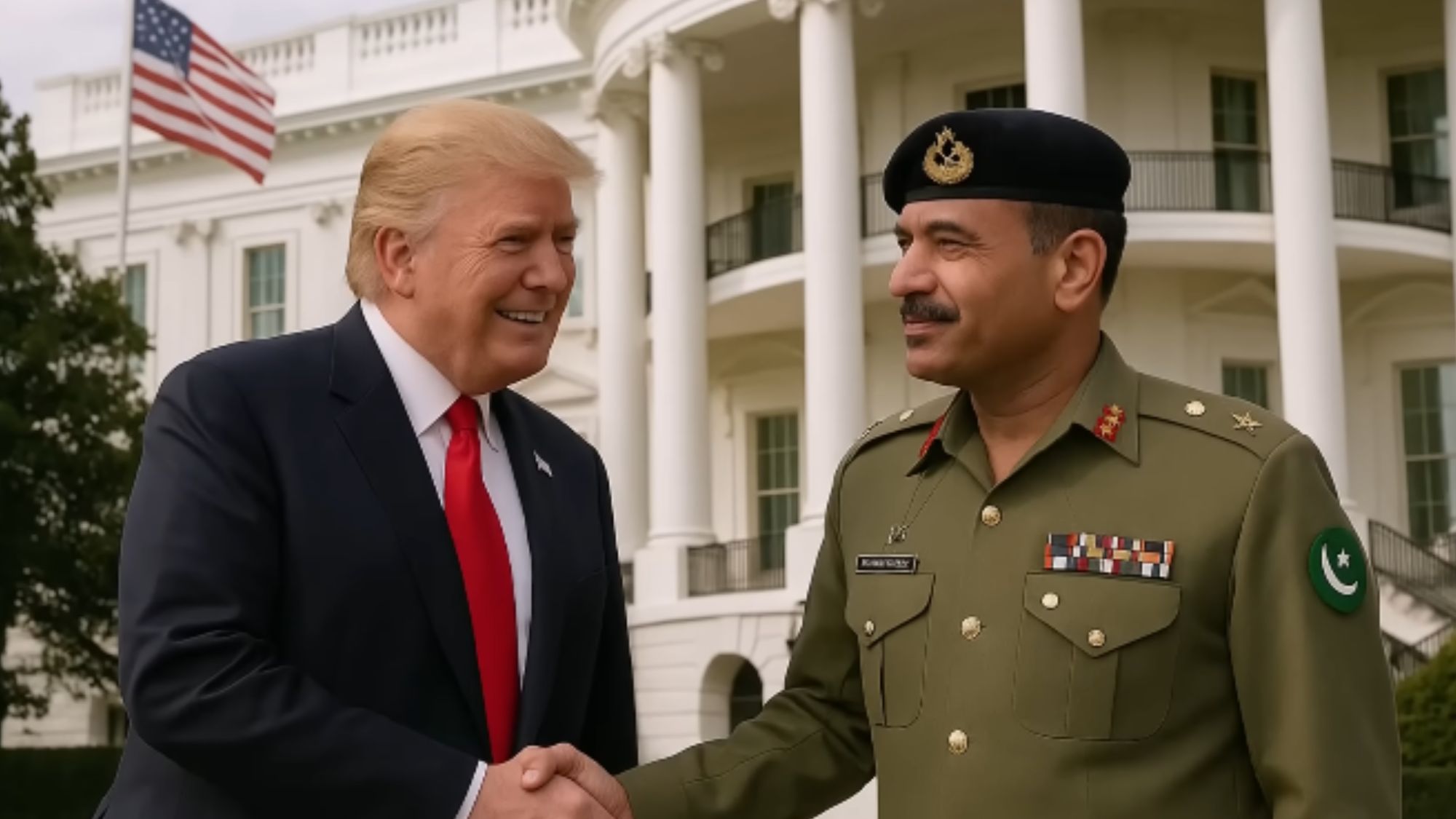
NEW DELHI (Diya TV) — India privately protested after U.S. President Donald Trump hosted Pakistan’s army chief, General Asim Munir, for lunch at the White House, according to Indian officials quoted by Reuters. The move triggered strong concerns in New Delhi, which warned Washington that such actions could harm U.S.-India relations.
The quiet diplomatic protest reflects India’s growing unease with Trump’s handling of South Asia policy. Prime Minister Narendra Modi even declined a White House invitation from Trump following the G7 summit in Canada in June. Sources said the decision signaled a broader shift in India’s foreign strategy and its response to changing U.S. priorities in the region.
Indian leaders were alarmed by Trump’s increased engagement with Pakistan, especially his direct outreach to the Pakistani military. This included talks on counterterrorism cooperation and potential arms sales. New Delhi saw this as a reversal of U.S. policy, which had previously aligned more closely with India’s stance on Pakistan-based terrorism.
“We have communicated to the U.S. our position on cross-border terrorism, which is a red line for us,” a senior Indian official told Reuters. “Trump’s inability to understand our concerns does create some wrinkle in ties.”
Analysts say India’s frustration stems from a feeling that Washington ignored its security concerns, especially after a recent military clash between India and Pakistan. Trump’s repeated claims that he helped prevent a nuclear war between the two nations also drew sharp criticism from Indian officials. Modi reportedly rebuked Trump, stating that Indian and Pakistani commanders had managed the ceasefire directly, without U.S. help.
The diplomatic tension comes despite years of growing U.S.-India ties under multiple administrations. Trump’s renewed focus on Pakistan, however, has strained that partnership. Michael Kugelman, a South Asia analyst based in Washington, told Reuters that the U.S. has been engaging with Pakistan more often and with greater intensity, while appearing to overlook India’s concerns.
In response, India slowed down trade talks with the U.S. and proposed retaliatory tariffs at the World Trade Organization. A U.S. official told Reuters that Washington values both India and Pakistan as key partners and avoids comparing the two. Still, the fallout may be hard to reverse.
Amid these developments, India is adjusting its regional strategy. New Delhi has started reopening diplomatic channels with China, despite lingering tensions from a deadly 2020 border clash in the Galwan Valley. Indian Foreign Minister S. Jaishankar recently traveled to Beijing, signaling a new willingness to engage. India has also relaxed some restrictions on Chinese investment, which were imposed after the Galwan conflict. Experts see this shift as part of a calculated strategy.
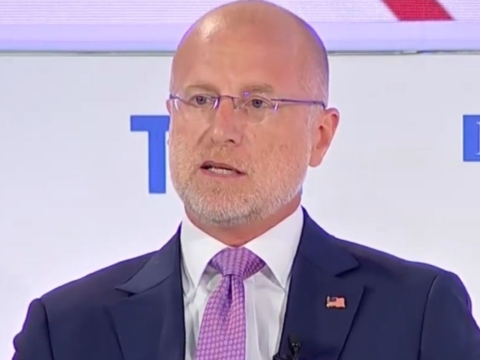
“With an unpredictable dealmaker in the White House, New Delhi cannot rule out Sino-U.S. rapprochement,” said Christopher Clary, an expert on South Asian affairs at the University at Albany.
India’s outreach to China comes as a hedge against possible shifts in U.S. foreign policy. Officials in New Delhi worry that Trump, if returned to office, may strike a new deal with Beijing that could leave India isolated. The move shows India’s determination to keep its options open and protect its national interests in an uncertain geopolitical environment. India’s diplomatic balancing act reflects the growing complexity of global politics.
The country is taking a more flexible approach, reassessing old alliances, and preparing for possible realignments. For now, U.S.-India ties remain important but strained. The recent friction over Pakistan shows how quickly perceptions can change in global diplomacy. With both nations heading into election seasons and global alliances in flux, the next moves from Washington and New Delhi will shape the region’s future.